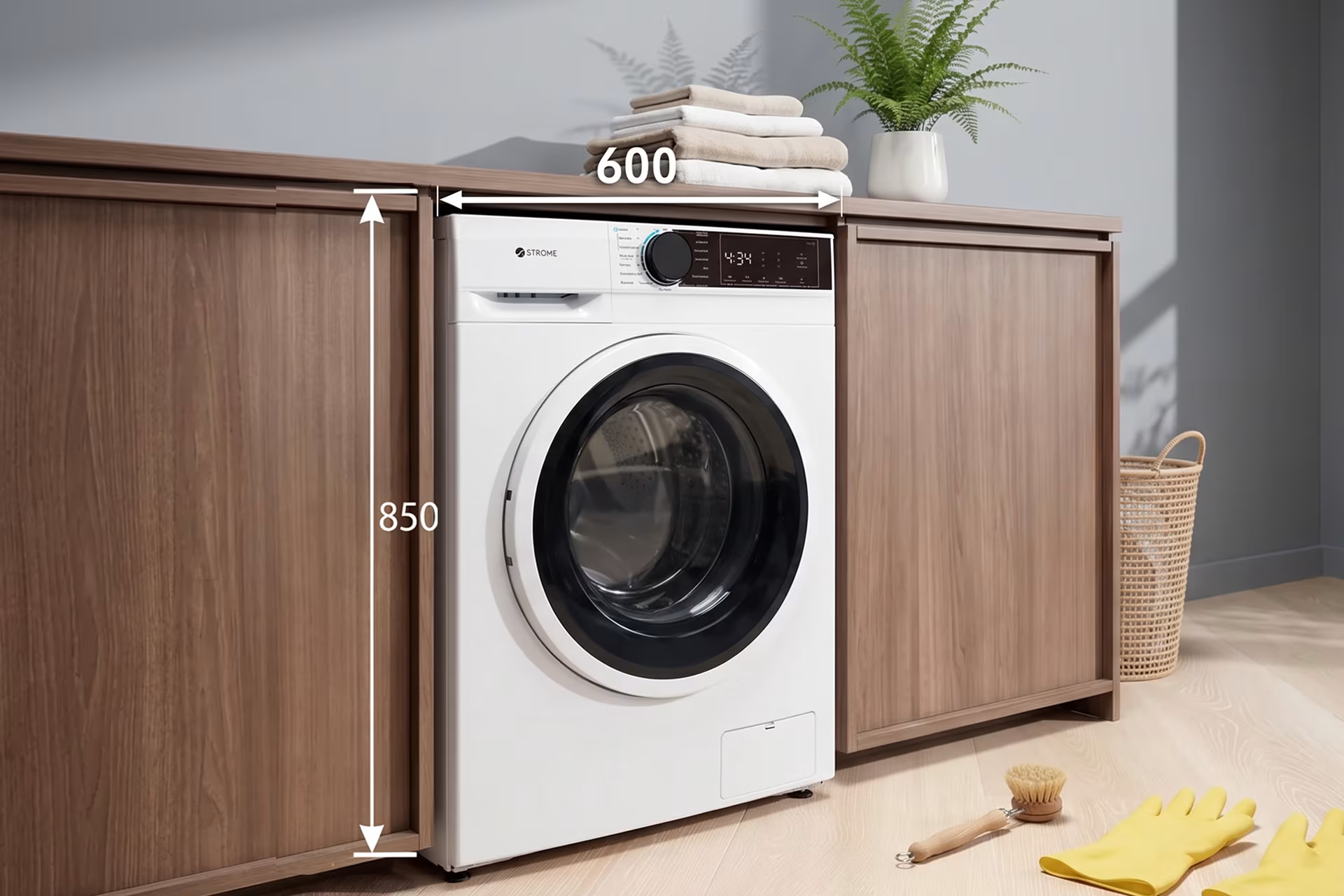
Washing Machine Installation and User Guide – Installation, Cleaning, and Economical Use
Published August 13, 2026
Can you install a washing machine yourself? How and how often should you clean a washing machine? How much water does a washing machine use? You'll find answers to these and many other washing machine questions in this guide. We'll also show you how to make laundry day as smooth as possible and how to save both energy and money on your laundry!
Washing Machine Installation – What Should You Consider?
We recommend having your washing machine installed by a professional, as insurance companies won't cover damages caused by installation errors unless the installation was performed by an authorized installer.
When placing a washing machine in the bathroom, as is most common, the risk of major water damage is lower than installing it in the kitchen. In bathrooms, water typically drains through the waterproofed tile floor into the floor drain, whereas in kitchens, water can spill onto laminate, hardwood, or other water-sensitive materials that lack waterproofing underneath. If you decide to install the machine yourself, you'll be fully responsible for any damages that may result. Also note that according to Tukes, you may only install a washing machine yourself if it doesn't require separate electrical or plumbing work.
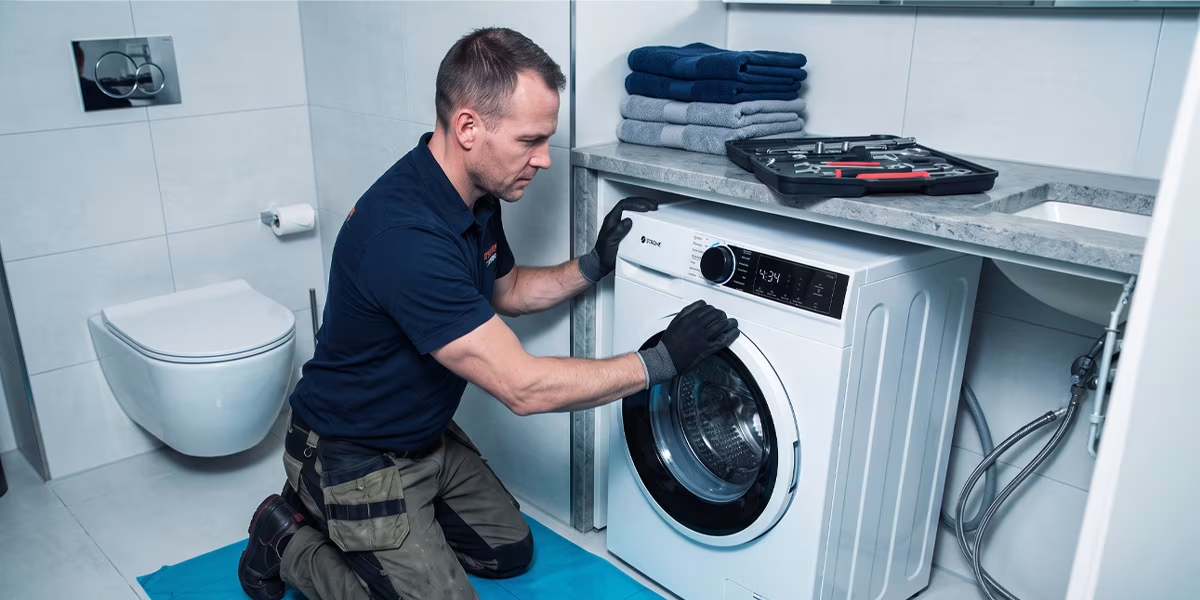
If you decide to install the washing machine yourself, keep at least these points in mind:
- Remember to remove the transport bolts on the back of the machine that hold the drum in place during shipping. Save them for a possible future move.
- Use a level to ensure the machine is perfectly straight. A machine installed at an angle will be noisy, may jump during the spin cycle, and in the worst case, can break down due to uneven bearing wear.
The easiest option is to leave the installation to a professional and order your washing machine from Verkkokauppa.com with installation included.

Recycle your old washing machine at the same time
If you're replacing your old washing machine with a new one, you can order recycling for the old one when you purchase the new machine. When you order the recycling service along with the installation service, the installer will disconnect your old machine, install the new one, and take the old one away for recycling. If you order only the recycling service without installation, you'll need to disconnect the old machine yourself.
Common Washing Machine Problems and Solutions
Don't waste your money on washing machine repairs—many issues can be fixed yourself in just a few minutes. Always disconnect the power and turn off the water supply before performing any checks. If the problem persists after basic troubleshooting or you suspect a motor, bearing, or electrical fault, contact a professional repair service.
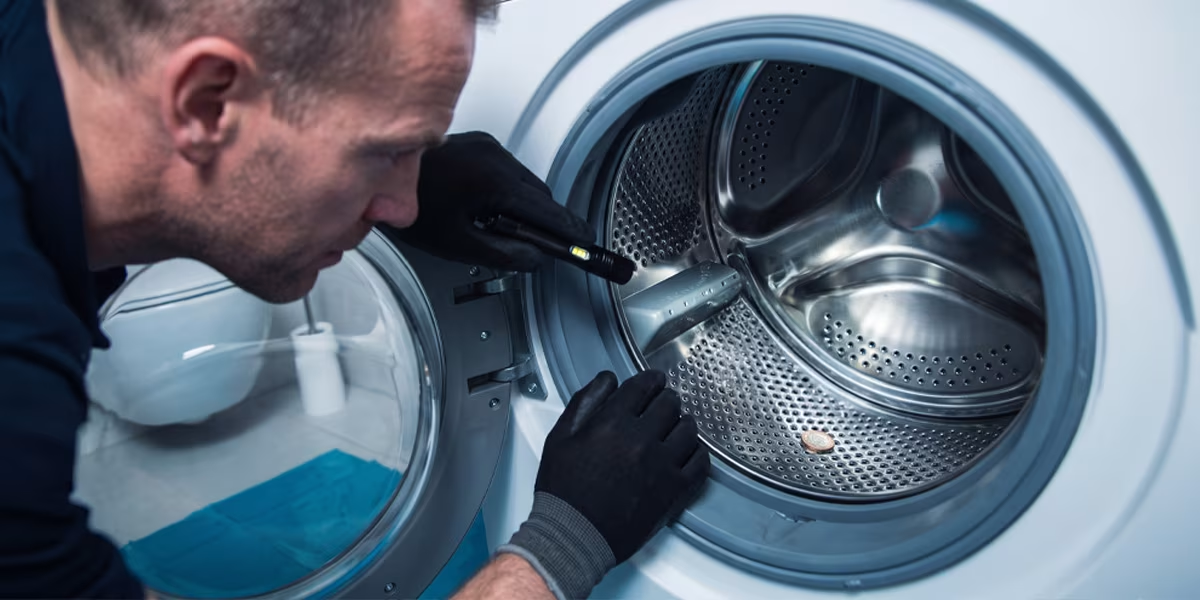
1. Washing machine won't start
- Test the outlet with another device to make sure it's working.
- Check the fuse.
- Make sure the door is properly closed. The safety lock prevents the machine from starting if the door is open.
- The child lock may be activated. Check the manual for instructions on how to disable it.
- Try unplugging the machine for about 30 seconds.
If none of these work, contact a repair service.
2. Water won't drain from the machine
If water won't drain, there's likely a blockage.
- Clean the lint filter at the bottom of the washing machine.
- Check that the drain hose isn't kinked, blocked, or positioned at the wrong height.
3. Washing machine won't spin
A washing machine that skips the spin cycle and leaves clothes soaking wet is perhaps the most common washing machine problem, and it's often easy to fix yourself. If the machine won't spin even with a properly sized, balanced load after cleaning the filter and hose, contact a repair service.
Make sure the washing machine load is balanced
If the load is unbalanced, the washing machine will slow down or stop the spin cycle to prevent the drum from damaging the machine's frame. An unbalanced load can result from an overfilled or underfilled machine, or from a single heavy item like a bathroom mat, bathrobe, or blanket that bunches up on one side of the drum.
Fill the drum to about two-thirds capacity, and when washing heavy items, always add some lighter laundry as a counterbalance—a few towels work well.
Check for blockages in the washing machine
Check whether the lint filter or drain hose is blocked.
Make sure the transit bolts have been removed from the back of the washing machine
Transit bolts must always be removed from the back of a new washing machine. These bolts hold the drum in place during transport, but during washing they can damage the machine.
4. Washing machine door won't open
If your washing machine door won't open, try these tips:
- Wait five minutes after the cycle ends. There may be a delay before the safety lock releases.
- Check if there's water in the machine. The door won't open if there's still water in the drum.
- Perform a manual drain. You can do an emergency drain through the lint filter. Some machines have an emergency release switch—a small lever next to the lint filter that opens the door when pulled.
- Reset the washing machine. Check your washing machine's manual for reset instructions. Many machines can be reset by unplugging them for a period of time, which can range from a few minutes to half an hour.
5. Washing machine is leaking water
If your washing machine is leaking water, you should usually contact a repair service. However, first check that the hoses are properly connected and intact. Hoses are easy to tighten or replace yourself.
6. Washing machine smells bad
Keep your washing machine from developing odors by doing the following:
- Regularly run the washing machine at 90 degrees, either empty with a small amount of detergent or with laundry that can be washed at such a high temperature.
- When the washing machine isn't running, leave the drum door open and the detergent drawer slightly ajar so moisture can evaporate. This prevents mold from building up.
- Clean the washing machine door seal and lint filter regularly.
7. Clothes aren't getting clean or have detergent residue
If laundry stays dirty or has detergent residue, the first thing to try is adjusting your detergent dosage. Also make sure the drum is only filled to about two-thirds capacity and that you've selected the appropriate wash cycle and temperature for your laundry. Regularly cleaning the lint filter can also improve wash results, as a clogged filter restricts water circulation.
How to Clean a Washing Machine – and How Often?
Regular maintenance keeps your washing machine clean, but at the very least, you should clean it when it starts to smell.
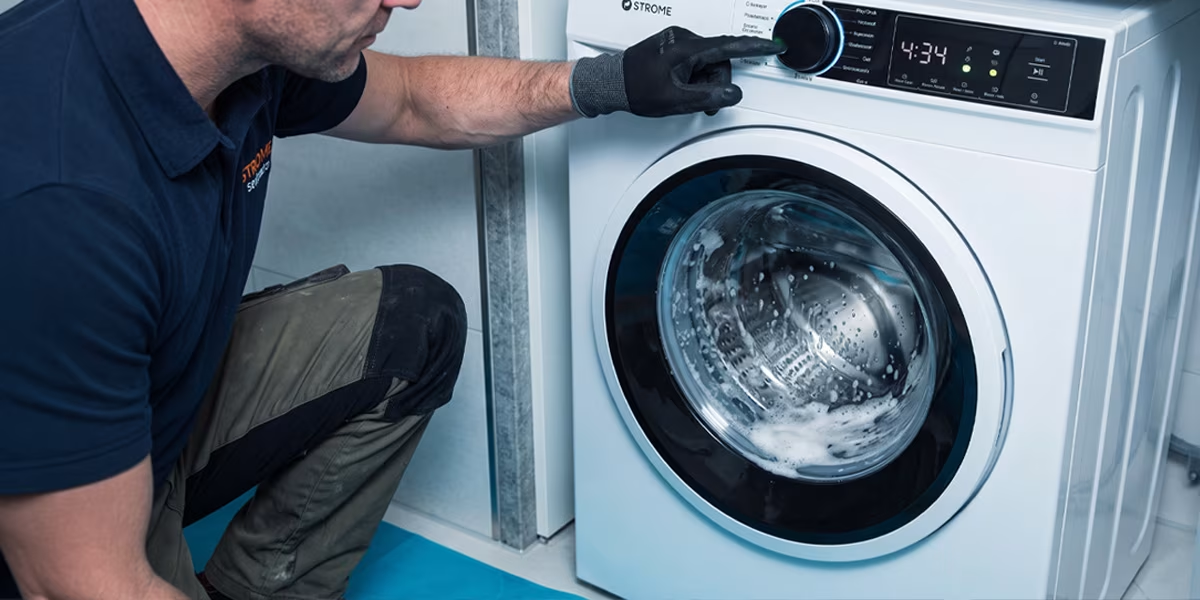
- Run a 90-degree cycle empty once a month with a small amount of detergent or citric acid (available at pharmacies). Alternatively, wash laundry that can handle 90 degrees, which cleans the machine at the same time.
- Clean the rubber seal around the drum monthly and the lint filter every few months.
- Always leave the door and detergent drawer open after washing to prevent moisture and mold from building up in the drum and drawer.
Use Your Washing Machine Smartly – Save Money and Energy
When you use your washing machine smartly, you can save time, money, and energy. While a washing machine doesn't consume massive amounts of electricity on an annual basis, reducing consumption across all your household appliances can add up to noticeable savings. Here are a few practical tips for economical washing machine use.
Wash Laundry Less Often
Only wash clothes when they're actually dirty or smell. Many people wash clothes after every wear, even when they're not dirty yet. This means the washing machine runs more often, fabrics wear out faster, and you'll need to buy new clothes more frequently. When you wash clothes less often, you save electricity, water, and the money spent on both utilities and new clothing purchases.
Choose the Right Wash Program
Garment care labels indicate the appropriate wash program for each fabric. It's worth following these instructions because the wrong program wears out textiles. Most of the energy a washing machine uses goes toward heating the water, so don't run unnecessarily hot cycles if your fabrics don't require it. Some smart washing machine apps can guide you in selecting the right program, and some machines have automatic sensors that detect the type of fabric and adjust the wash program accordingly.
Wash During Off-Peak Hours
If you've chosen a spot-price electricity contract, schedule your laundry for when rates are lowest. To truly optimize washing during the cheapest hours, you can remotely start a smart washing machine through its app or schedule it to run at a specific time, as long as the laundry and detergent are already loaded.
Use Automatic Detergent Dispensing
Some washing machines now have built-in reservoirs for detergent and fabric softener, allowing the machine to automatically dispense the right amount for each load. This prevents overdosing, likely saves you money on detergent, and as a bonus, leaves less detergent residue on your clothes. Smart washing machine apps typically notify you when the detergent compartment needs refilling, and you can also check the reservoir status in the app whenever needed.
Frequently asked questions about washing machine maintenance and use
Give us feedback – was this article helpful?
We’d love to hear from you! Rate this article on a scale of 1–5 and let us know how we could make it even better.
Give feedback (Ulkoinen palvelu) (Avautuu uuteen välilehteen)