Air source heat pump buying guide – find the right model for you
Updated on 30.4.2026
An air-to-air heat pump is a great investment if traditional heating costs are too high or your home gets uncomfortably hot in the summer. Whether used for heating or cooling, you'll also enjoy cleaner and healthier indoor air! This guide covers everything you need to consider to find the perfect air source heat pump for your home type and size.
5 reasons to get an air source heat pump
1. Improve your home comfort with an air source heat pump
Keep your home warm in the winter and cool in the summer. With an air source heat pump, you'll never have to shiver through freezing temperatures or suffer in the summer heat.
2. Five devices in one
In addition to heating and cooling, air source heat pumps also provide air purification, ventilation, and dehumidification.
3. Save on heating costs
An air source heat pump is an excellent way to supplement your home's heating system. Compared to direct electric heating, you can save up to 30–40% on heating costs, meaning the pump pays for itself in no time.
4. Suitable for a wide range of uses
Air source heat pumps are compatible with various heating systems and suitable for many different spaces. You can install one in a detached house, apartment, terraced home, or summer cottage.
5. Air source heat pumps are easy to use
Air source heat pumps are easy to use – enjoy optimal temperatures, cleaner indoor air, and lower electricity bills at the touch of a button.
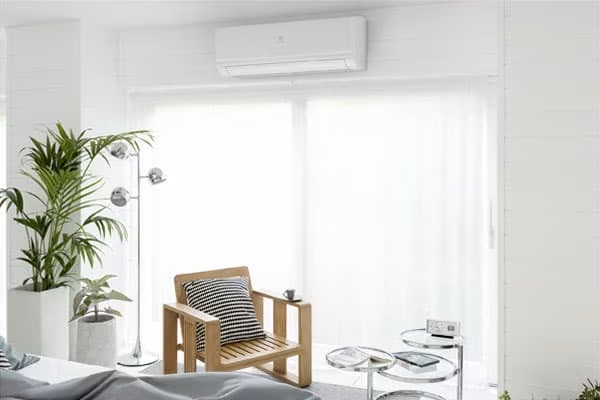
How does an air-to-air heat pump work?
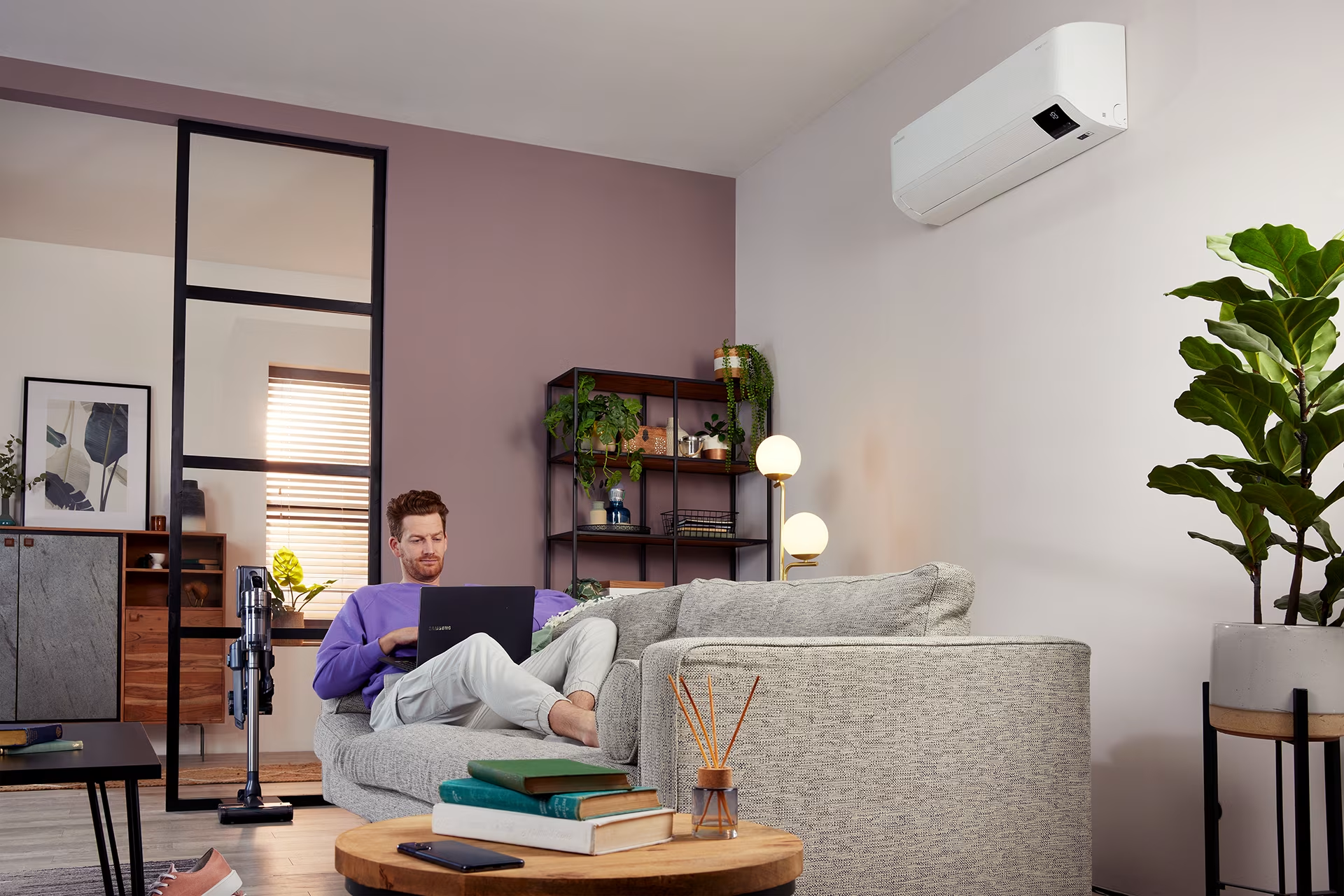
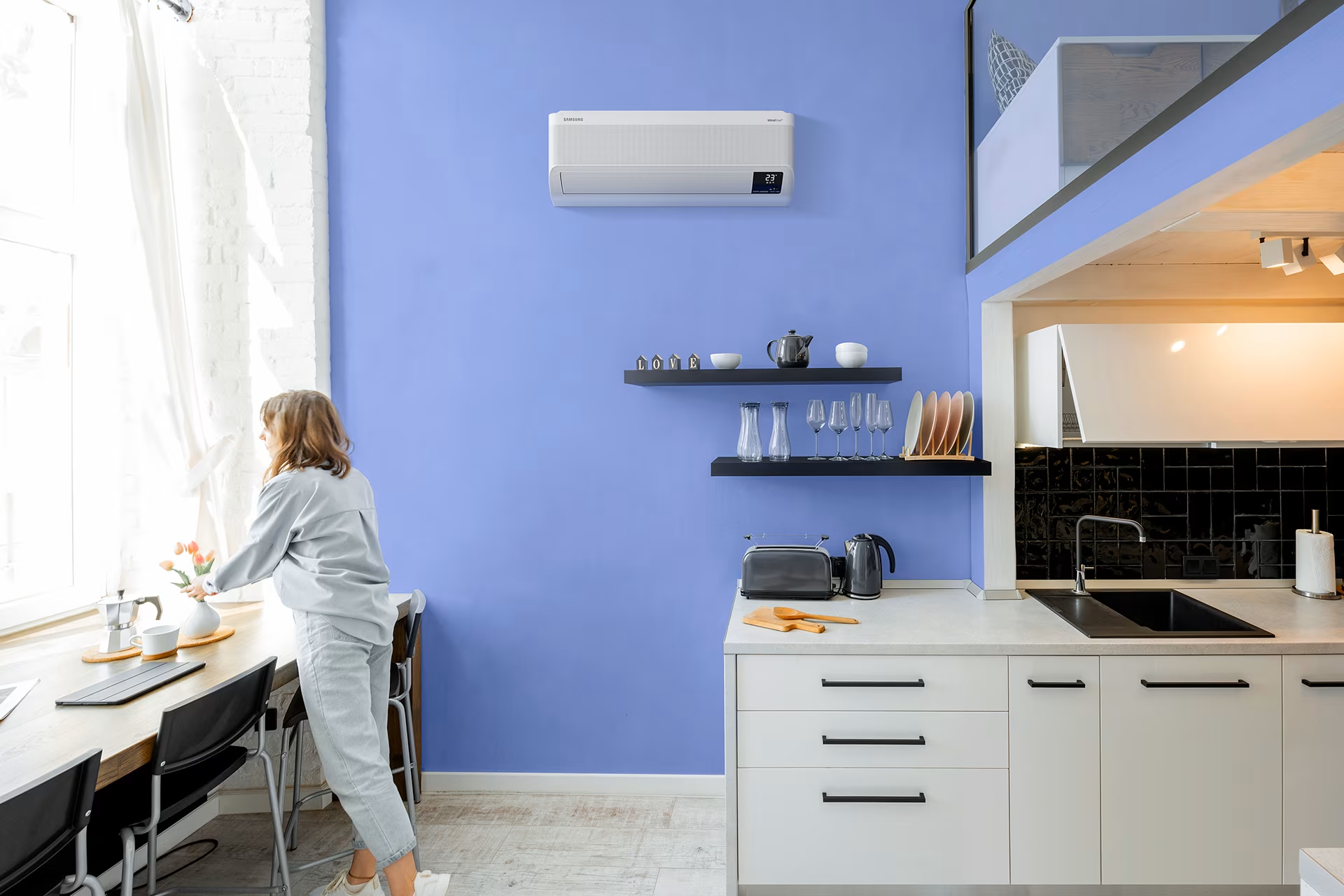
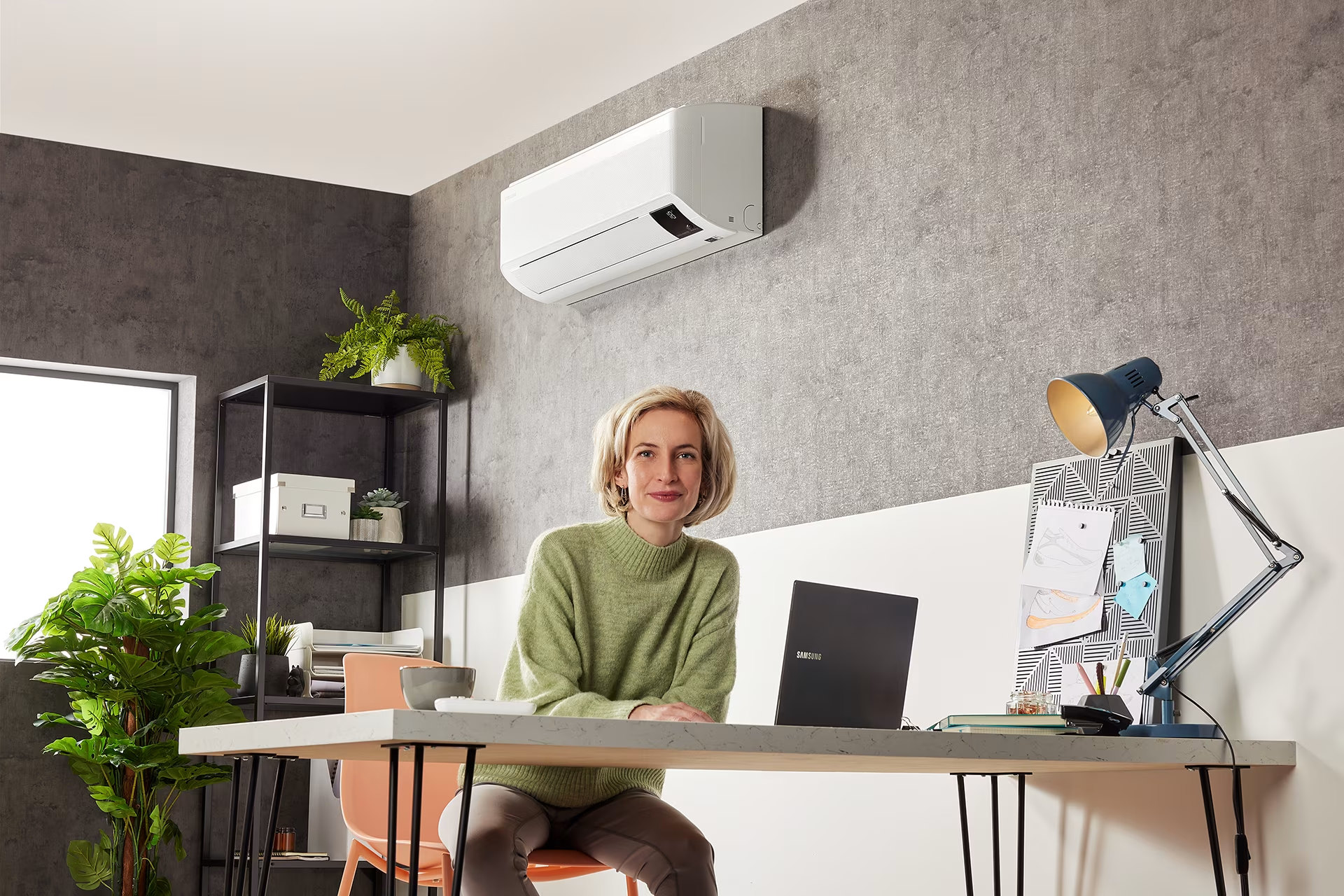
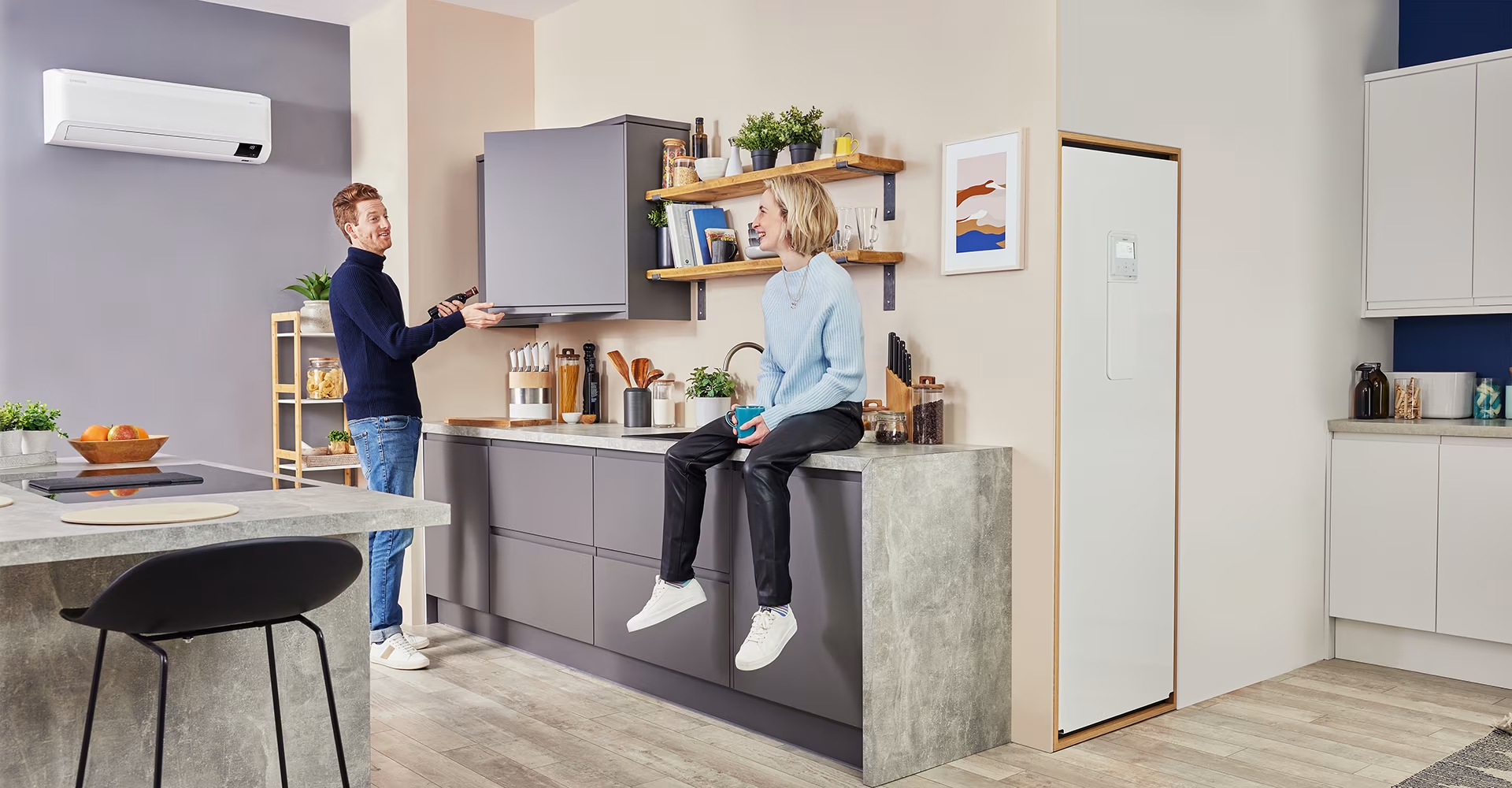
An air source heat pump is a versatile device that energy-efficiently heats your home, cottage, or garage, provides affordable cooling, and purifies indoor air. It works through the cooperation of indoor and outdoor units—heat energy from outside is transferred evenly throughout the home via the indoor unit, circulating air effectively while removing odors, dust, and bacteria. Manufacturers have also developed various filters to further improve air purification. However, you shouldn't buy an air source heat pump solely for air purification; an air purifier is the best option for that.
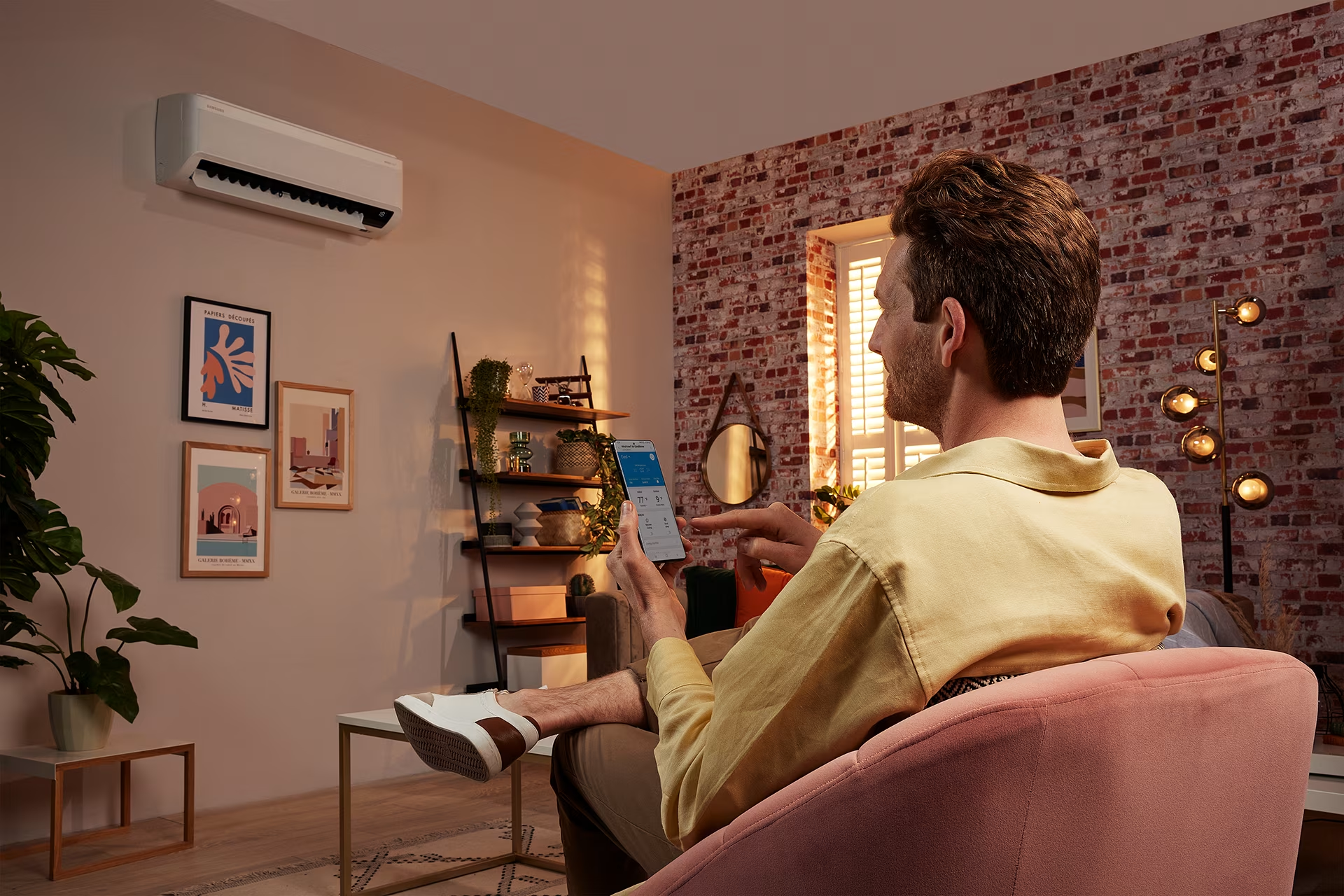
Using an air source heat pump is easy—simply set your target temperature with the remote, lower other heating (like electric radiators) by a few degrees, and enjoy an optimal climate, cleaner air, and lower electricity bills. You can also use the auto setting, which adjusts heating or cooling based on the temperature.
Air Source Heat Pump for Your Home – Key Features to Consider
Regardless of model, air source heat pumps operate on similar principles, but models may differ in efficiency, noise level, and recommended operating temperatures. Additionally, different heat pump manufacturers have developed various features that affect ease of use or performance, such as remote control functions or filters that purify indoor air in addition to heating and cooling. Below we explain a few things to consider when choosing an air source heat pump.
Noise Level
Air source heat pumps always produce some noise both inside and outside your home, but choosing the quietest possible unit will help maintain peace of mind for both you and your neighbors. Heat pumps always have a noise level rating expressed in decibels (dB), and noise levels can vary significantly between models. Generally, more expensive models are quieter than budget options.
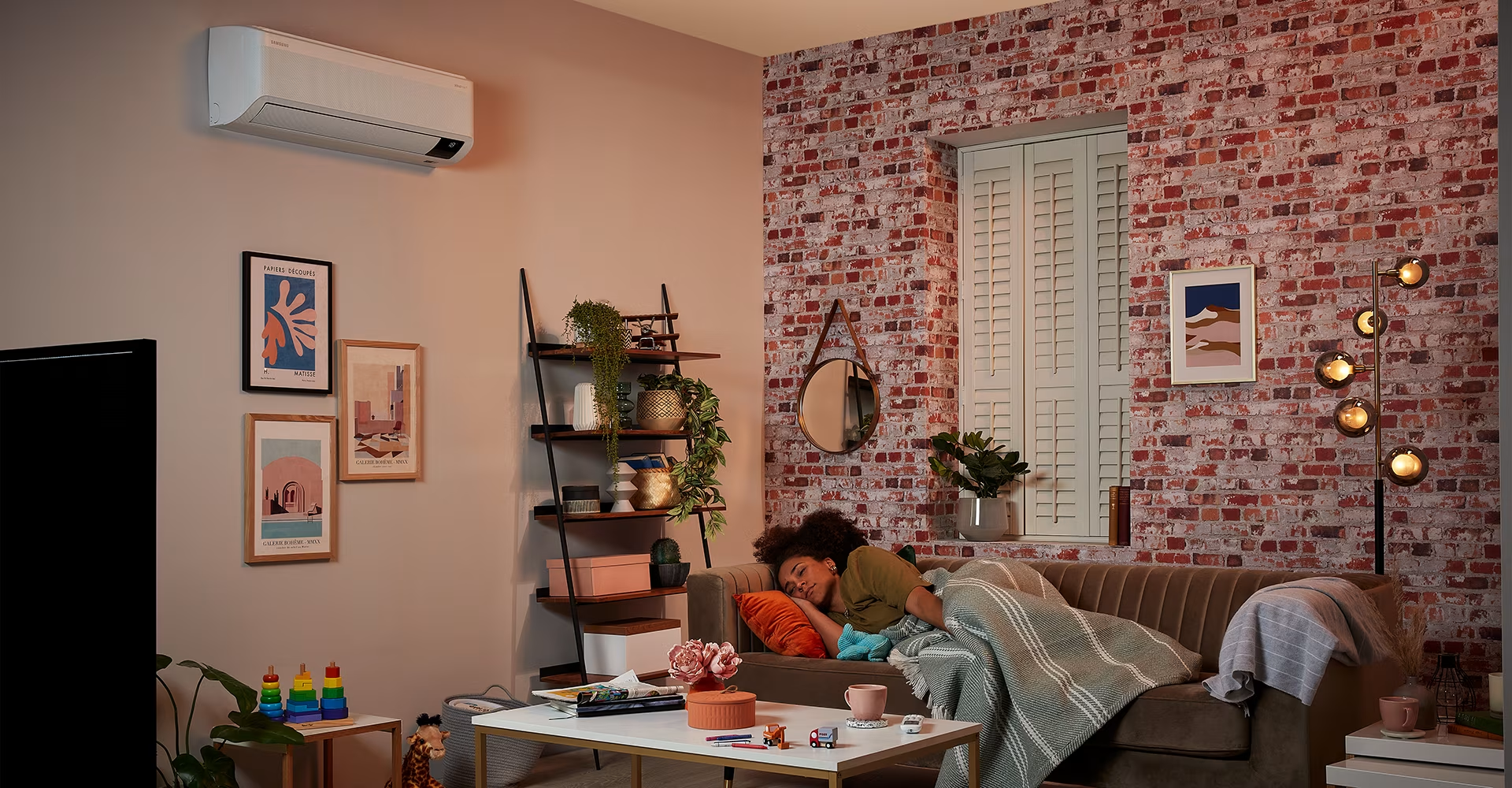
You can also reduce noise disturbance through proper placement – for example, don't install the indoor unit in a bedroom where noise will disrupt sleep, and you can minimize outdoor unit noise by placing it on a platform equipped with vibration dampeners. The Finnish Real Estate Federation recommends that housing associations set installation requirements for heat pumps well below 45 dB to ensure that outdoor units running simultaneously in apartment buildings don't disturb neighbors.
Heat Pump Capacity
Choosing the right heat pump model depends on factors including the size of your home. According to Electrolux heat pump specialist Juha Aspi, "a properly sized pump provides the greatest savings on heating costs while ensuring reliable operation and long service life." Numerous factors affect a heat pump's heating and cooling capacity, from outdoor temperature to your home's energy rating, but general guidelines provide a good indication of adequate capacity. Simply put, the larger the space, the more power the heat pump needs for both heating and cooling:
- 1 kW of power heats approximately 30 m² of standard-insulated space with normal ceiling height
- 1 kW of power cools approximately 15–20 m² of standard-insulated space with normal ceiling height
Cooling efficiency depends on the total heat load of the space being cooled – that is, everything that adds heat to the space. For example, if windows face south, the sun will heat the space considerably more than north-facing windows. The number of occupants also affects the space's heat load.
Air-to-air heat pump for a detached house, townhouse, or apartment – which unit for which home?
An air-to-air heat pump works for all types of homes, from detached houses to apartments. Heat pumps are most useful in detached houses and cottages, where they can also be used for heating, but nowadays many people buy them solely for cooling. Whether you're getting a heat pump for a detached house, garage, townhouse, apartment, or cottage, installation must always be performed by an authorized installer.
Air-to-air heat pump for an apartment or townhouse
Heat pumps have been commonly used in townhouses for a long time, but according to Electrolux heat pump specialist Juha Asp, they're now increasingly being installed in apartments as well. In apartments, heat pumps are typically purchased as cooling units, since this doesn't interfere with the building's existing heating system. "A heat pump is an excellent cooling option because it doesn't affect the building's mechanical ventilation system—the indoor unit simply circulates indoor air through itself," Asp explains.
To install a heat pump in a townhouse or apartment, the shareholder needs approval from the housing cooperative, and a renovation notice must be filed with the property manager. Based on precedent, housing cooperatives don't really have grounds to prohibit heat pump installation, but they can set conditions regarding noise prevention, aesthetics, condensate drainage, installation, supervision, and operation.
Heat pumps in apartment buildings are usually only allowed in units with balconies. To avoid structural noise issues, the outdoor unit should be placed on a platform with vibration-dampening rubber mounts, and condensate must be properly directed to a drain or designated container. Additionally, installing the unit on a balcony keeps it hidden from the facade, maintaining a clean exterior appearance. The housing cooperative may also require that installation be supervised at the shareholder's expense, and that the shareholder—not the cooperative—covers any potential damage caused by the heat pump.
Cooling and Heating Air Source Heat Pump for Cottages or Single-Family Homes
For cottages and single-family homes, it's worth investing in a unit that both heats and cools indoor air. In single-family homes especially, an air source heat pump can significantly reduce energy costs, particularly in homes heated with direct electricity or oil.
At a cottage, an air source heat pump can be useful in several ways. First, it can work alongside other heating systems to maintain a baseline temperature during winter. Maintaining this baseline temperature is especially important if the cottage has water pipes that could freeze in cold weather. Proper ventilation and adequate baseline heating also prevent moisture damage. An air source heat pump can therefore save you considerable amounts on your cottage's energy costs.
A remotely controlled air source heat pump is particularly useful for cottage use—you can adjust the pump's temperature from home based on the weather at your cottage location, giving you maximum control over energy consumption. Automatic settings are not recommended for cottage use. A remotely controlled air source heat pump also adds convenience to your cottage experience—set your cottage temperature to your desired level in advance and arrive to a pleasantly cool or warm cottage.
Air-to-air Pump for Apartment Buildings or Townhouses
Air source heat pumps have been commonly used in townhouses for a long time, but according to Electrolux heat pump specialist Juha Asp, they are now increasingly being installed in apartment buildings. In apartment buildings, heat pumps are typically purchased as air conditioning units for cooling, as this doesn't interfere with the building's existing heating system. "An air source heat pump is an excellent cooling option because it doesn't affect the building's mechanical ventilation system—the indoor unit simply circulates indoor air through the unit," Asp explains.
To install an air source heat pump in a townhouse or apartment building, the shareholder needs approval from the housing cooperative, and a renovation notice must be filed with the property manager. Based on precedent, housing cooperatives generally have no grounds to prohibit heat pump installation, but they can set conditions regarding noise prevention, aesthetics, condensate drainage, installation, supervision, and operation.
Typically, heat pumps in apartment buildings are only permitted in units with balconies. This is because the outdoor unit must be placed on a platform with vibration-dampening rubber mounts to prevent structural noise, and condensate water must be properly directed to a drain or designated container. Additionally, installing the unit on a balcony keeps it hidden from the facade, maintaining the building's clean appearance. The housing cooperative may also require that installation be supervised at the shareholder's expense, and that the shareholder—not the cooperative—is responsible for any damage caused by the heat pump.
Tips from Verkkokauppa.com
Find the perfect model by using filters in the air heat pumps category. You can narrow down your search by floor area or functionality, such as choosing between a cooling-only unit or one that both heats and cools.
Air source heat pump prices – budget vs. premium models
The price of an air source heat pump depends on the type and size of your home. Prices range from a few hundred to several thousand euros, depending on factors like installation, noise levels, efficiency, and remote control features. Units with both heating and cooling functions cost more than cooling-only models. Responsible retailers also offer installation services. Note that installation work is eligible for the household expenses tax credit.
Investing in a high-quality air source heat pump pays off, as the unit typically pays for itself within a few years. This is especially true for oil- or electric-heated houses, where it significantly reduces energy costs. In very large homes, the relative financial savings may be smaller.