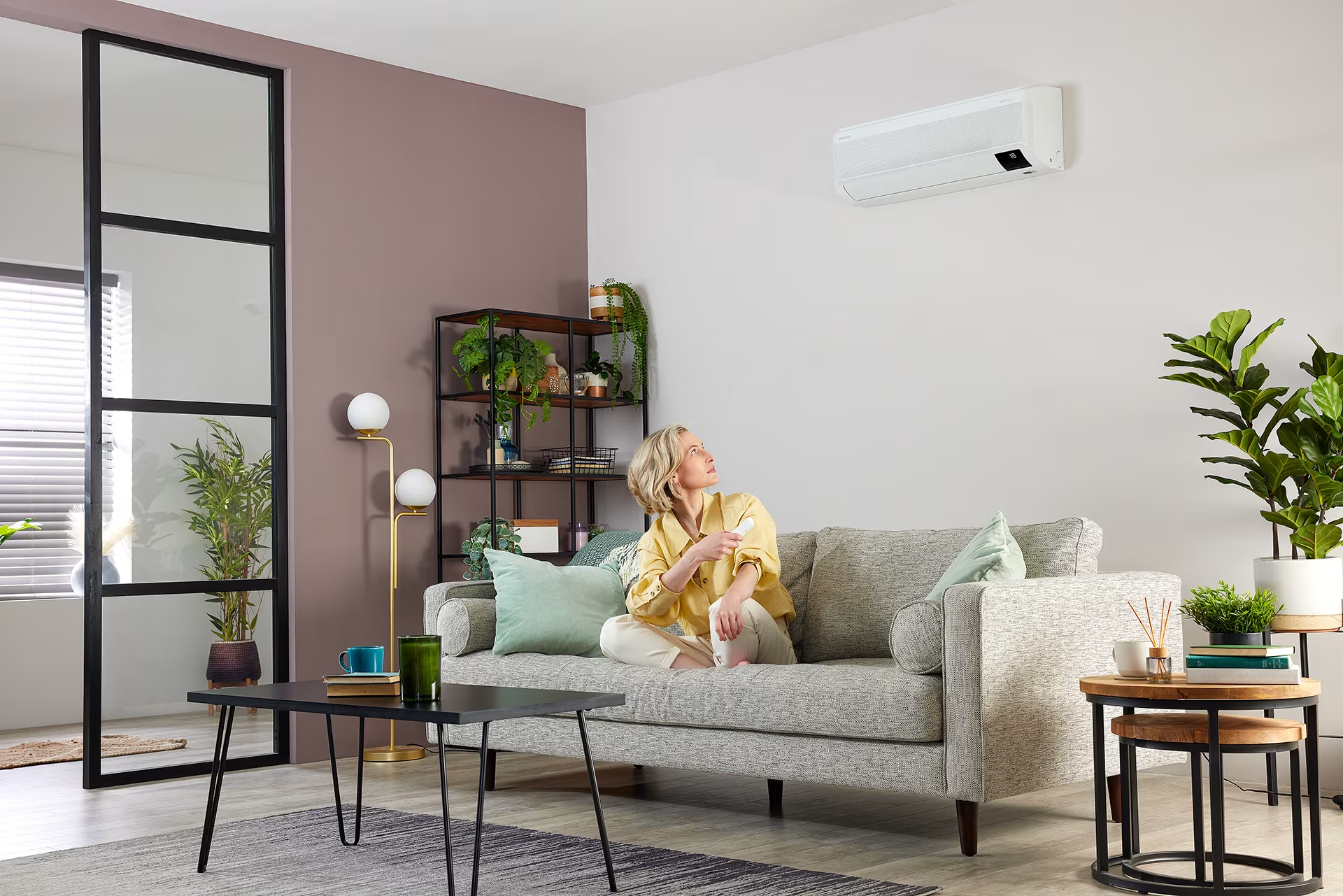
Air source heat pump installation and user guide – helpful tips for use
Updated 31.10.2025.
Used correctly, an air-to-air heat pump saves both money and the environment. If you're planning to get one for heating or cooling your home, here are a few basics to help you get the most out of it.
Air Source Heat Pump Installation – How to Prepare for Your Pump's Arrival
When you buy an air source heat pump from Verkkokauppa.com, you can order it with or without installation. Installing an air source heat pump requires a permit, so if you're purchasing installation as a separate service, make sure your chosen installer is listed in the Finnish Safety and Chemicals Agency's (Tukes) register (Ulkoinen palvelu) (Avautuu uuteen välilehteen) of authorized installation companies. Listen to your installer's advice on placement – a professional installer knows how to account for all the factors that affect your heat pump's energy-efficient operation.
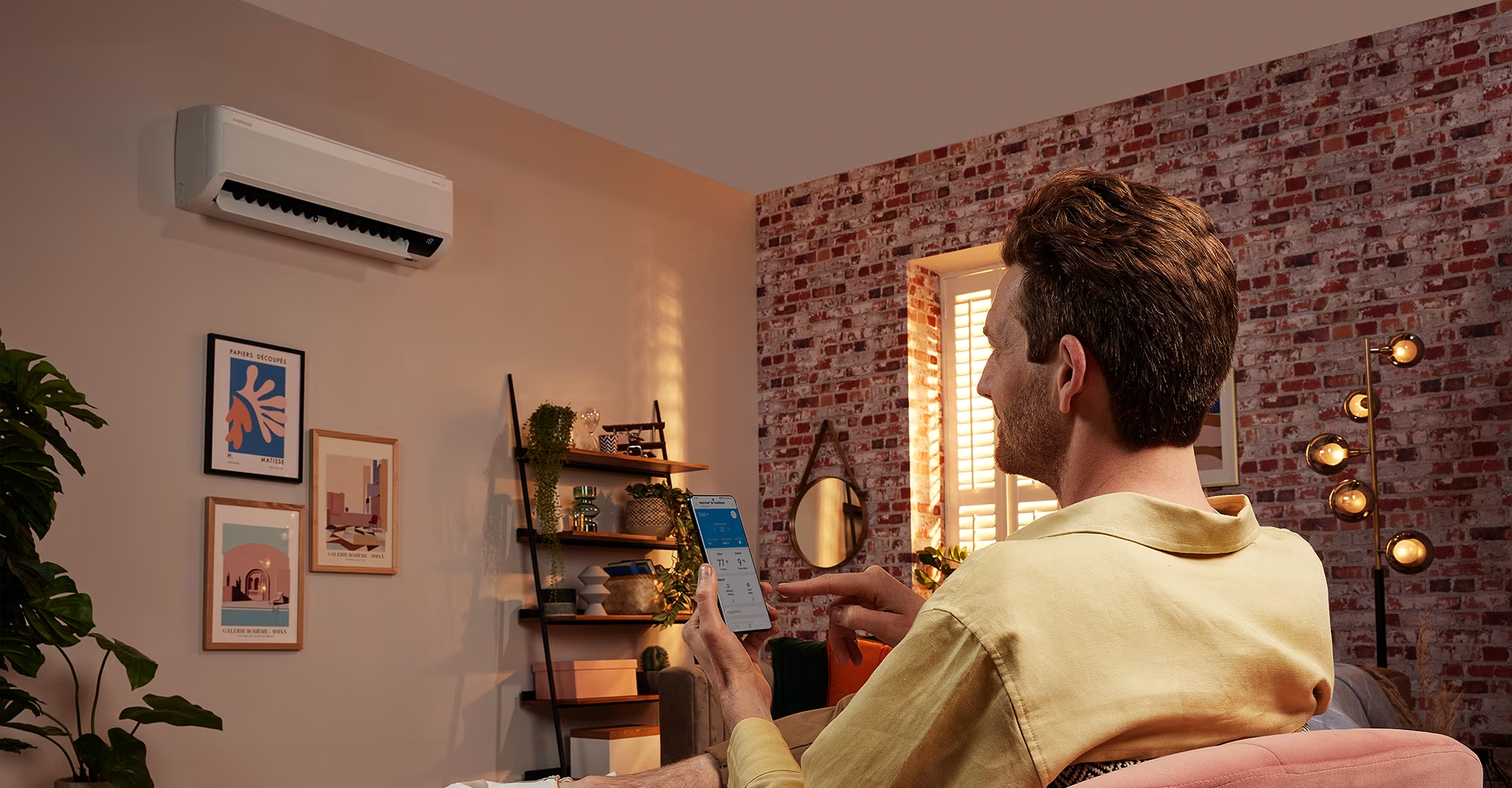
Many heat pump sellers include installation in the unit's price. However, if you're purchasing installation as a separate service, make sure your chosen installer is listed in the Finnish Safety and Chemicals Agency's (Tukes) register (Ulkoinen palvelu) (Avautuu uuteen välilehteen) of authorized installation companies. Listen to your installer's advice on placement – a professional installer knows how to account for all the factors that affect your heat pump's energy-efficient operation.

Verkkokauppa.com tips
Remember that air source heat pump installation and maintenance qualify for a tax credit!
Where should you install an air source heat pump?
You should carefully consider the placement of your air source heat pump to get the most out of it. "The distance between the indoor and outdoor units should be kept as short as possible to maximize efficiency," suggests Juha Asp, an air source heat pump expert at Electrolux. Asp also recommends consulting a professional for the installation: "Correct placement of the indoor unit is crucial for ensuring the airflow reaches the widest possible area. Listen to the professional's advice. Several factors must also be considered for the outdoor unit, such as potential resonance, the snow line, and condensation."
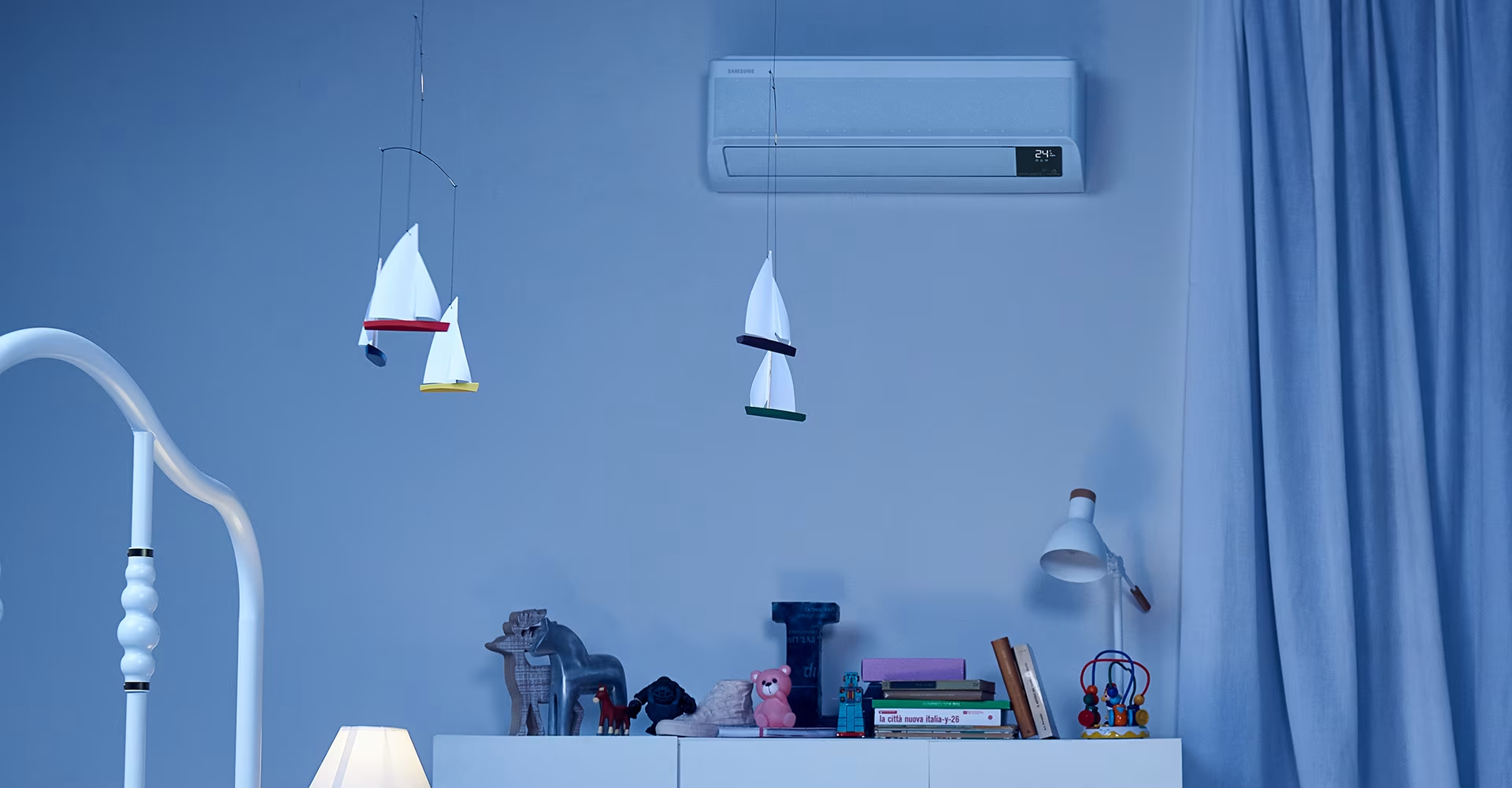
As a general guideline, the indoor and outdoor units should be about 3–5 meters apart. If the distance is longer, refrigerant must be added according to the model-specific requirements. When placing the indoor unit, ensure it is at a height where the filters can be easily vacuumed and in a location where noise disturbance is minimized.
Tips for efficient air source heat pump use
To maximize energy savings, you need to know how to use your air source heat pump correctly. Juha Asp from Electrolux advises setting your primary heating system (e.g., electric radiators) a few degrees lower than the heat pump during the heating season, as "this ensures you get the most benefit from the heating energy produced by the pump." "Avoid using the auto setting during the heating season," Asp tips. "In auto mode, the pump tries to keep the requested temperature stable, and if you use a fireplace, for example, it will start cooling the heat produced by the fire."
During the cooling season, Asp recommends keeping the heat pump's temperature a few degrees cooler than the outdoor temperature. In addition to heat, humidity makes summer days uncomfortable: "The cooling mode also removes indoor humidity, making the air feel cooler immediately." According to Asp, the airflow of the indoor unit should be directed downwards for heating and upwards for cooling.
Regular maintenance also affects the efficiency of the air source heat pump.
How to get the most out of your air source heat pump
During the heating season:
- Set the primary heating system a few degrees lower than the heat pump
- Do not use the auto setting
- Direct the airflow downwards
- Ensure condensation is drained correctly so it doesn't freeze to the bottom of the outdoor unit
During the cooling season:
- Set the heat pump a few degrees cooler than the outdoor temperature
- The cooling setting also removes humidity
- Direct the airflow upwards
Year-round
- Clean the indoor unit's filters 1–2 times a month
- Keep the outdoor unit clean to allow free airflow
Using an air source heat pump at the cottage – maintaining base heat and dehumidification
Even if you don't visit your cottage in winter, it stays in better condition if kept at a "base temperature." The appropriate base temperature depends entirely on the cottage's structure and amenities. For example, if there are water pipes, you must ensure they don't freeze; in this case, the base temperature should be higher, and electric radiators should be set to low heat near the pipes. Generally, a base temperature of 5–15 degrees is recommended, depending on conditions. Higher temperatures mean higher electricity bills, so for energy savings, keep the base temperature as low as possible.
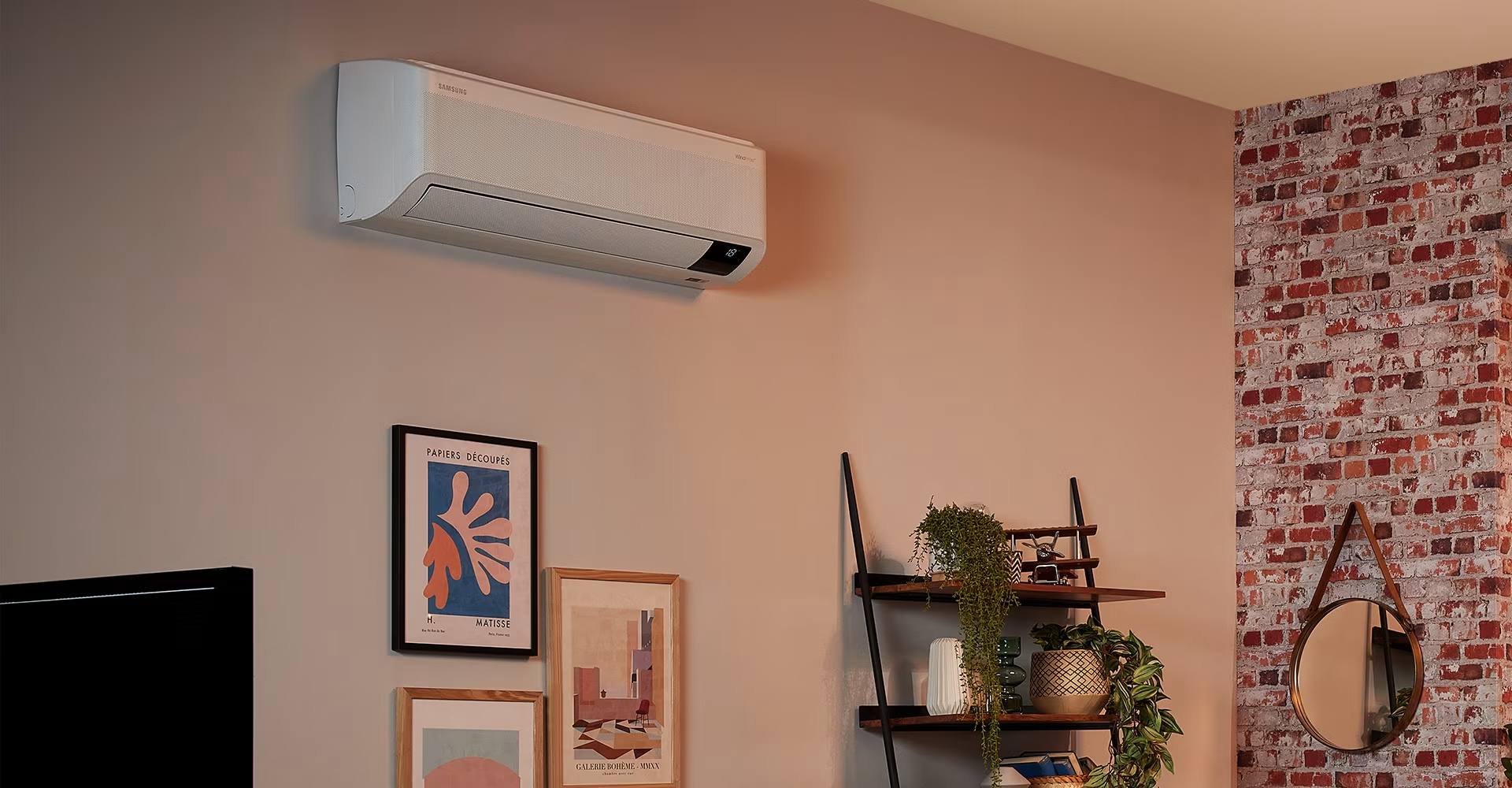
To maintain base heat, set the heat pump to heating mode at the appropriate temperature for your cottage and lower the radiator temperatures by a couple of degrees – this saves energy and keeps bills manageable. Also, ensure the auto setting is off. An air source heat pump is a smart option for maintaining base heat alongside other systems, but also for cooling in summer, as proper ventilation and sufficient base heat reduce the risk of moisture damage.
The benefits of a remote-controlled heat pump are perhaps greatest at a cottage, as you can conveniently adjust the temperature from home based on the local weather. It's also much nicer to arrive at the cottage in summer or winter when the temperature has been pre-set.
What is condensation and what should you do about it?
Water dripping from the indoor and outdoor units is called condensation. This is completely normal and occurs most during humid weather. Don't worry if no condensation appears, as it depends on air quality and cooling or heating power.
Condensation drips from the indoor unit during cooling and from the outdoor unit during heating. From the indoor unit, it's usually led outside via a hose. From the outdoor unit, it drips from the bottom; ensure there is enough space so it doesn't freeze to the unit. Condensation from both units should be directed to a drain or a container, especially if the outdoor unit is on an apartment balcony, to prevent moisture damage to structures.
How often should an air source heat pump be serviced?
If the heat pump isn't working as it should, contact an authorized service center. However, simple steps can extend the device's lifespan and help you get the most out of it.
Clean the indoor unit filters regularly. According to Juha Asp, "regularly cleaning dust from the indoor unit ensures the pump's efficiency remains optimal." In other words, if air cannot circulate properly through the filters, efficiency drops, and savings decrease. How often should you do this yourself? Asp recommends 1–2 times a month. Filters are easy to vacuum, but if visible dirt remains, you can rinse them under water. Let them dry before putting them back.
The outdoor unit must also be kept clean. "To ensure free airflow, clear any debris from the unit, and in winter, ensure condensation from defrosting is managed so the unit doesn't freeze," Asp says. Many think the outdoor unit needs protection from the elements, but Asp says it works best when not covered: "The freer the airflow, the better the efficiency." For aesthetic reasons, some use covers. "If using a cover, a sparse lattice is recommended to ensure operational efficiency," Asp tips.
Air source heat pump not heating – what to do?
If you're wondering why the pump is blowing cold air when it should be heating, it's likely time for professional service. Heat pumps need regular professional maintenance, though the frequency depends on many factors. In home use, the interval is roughly 2–5 years; in offices or businesses, it may be more frequent. Heavy cooling use shortens the interval. In humid spring weather, test if cooling produces condensation; the pipe might have blocked over winter, requiring a professional.
Clear signs that your heat pump needs servicing:
- Decreased heating or cooling power
- Louder or changed operating noise
- Bad odors in the indoor air
- Error codes – check the manual for the meaning and contact a service center if needed
Remember, professional heat pump maintenance is also eligible for the household expenses tax credit!
When should you turn off the air source heat pump?
While older models were often turned off in extreme cold, modern devices handle freezing temperatures well. Some even shut down automatically if the outdoor temperature drops too low. A high-quality heat pump designed for Nordic conditions works reliably and efficiently even in severe frost when installed correctly.
Actually, frost isn't the heat pump's worst enemy – snow and humidity affect performance more. For example, at zero degrees, high humidity creates ice on the outdoor unit. Many modern devices have automatic defrosting, but you should still occasionally check that there's enough space under the unit for meltwater to avoid freezing. Also, brush snow off and around the unit to keep airflow free.