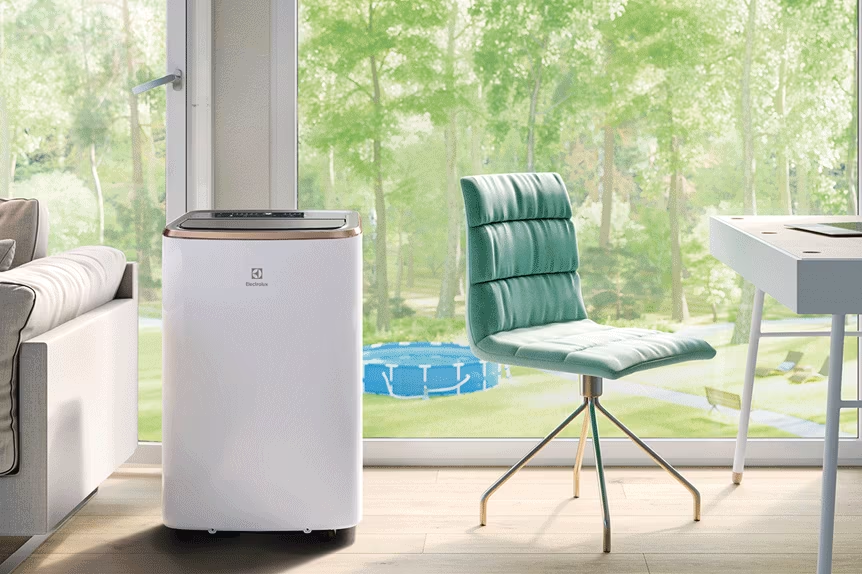
A guide to choosing portable air conditioners – cool, heat and dry
Published June 7, 2022.
Did you get your air conditioner early this year, or did the heat catch you off guard while on vacation? Either way, we want to help you choose the right air conditioner for your home with this guide. We'll cover how portable air conditioners work, plus installation and usage tips. Cooler summer days—here we come!
How portable air conditioners work
A portable air conditioner lowers the temperature in a room. The unit draws in hot air from the room. A compressor inside the air conditioner cools the air, which is then blown back into the room. The warm air generated during the cooling process is vented outside through a hose that runs through a window.
Features and benefits of air conditioners
Most portable air conditioners offer basic cooling and fan functions. Some models also include a heating feature.
Portable air conditioners always dehumidify the air when running. This is particularly useful on humid, stuffy summer days. Many units also have a dedicated dehumidifying mode that removes moisture more effectively.
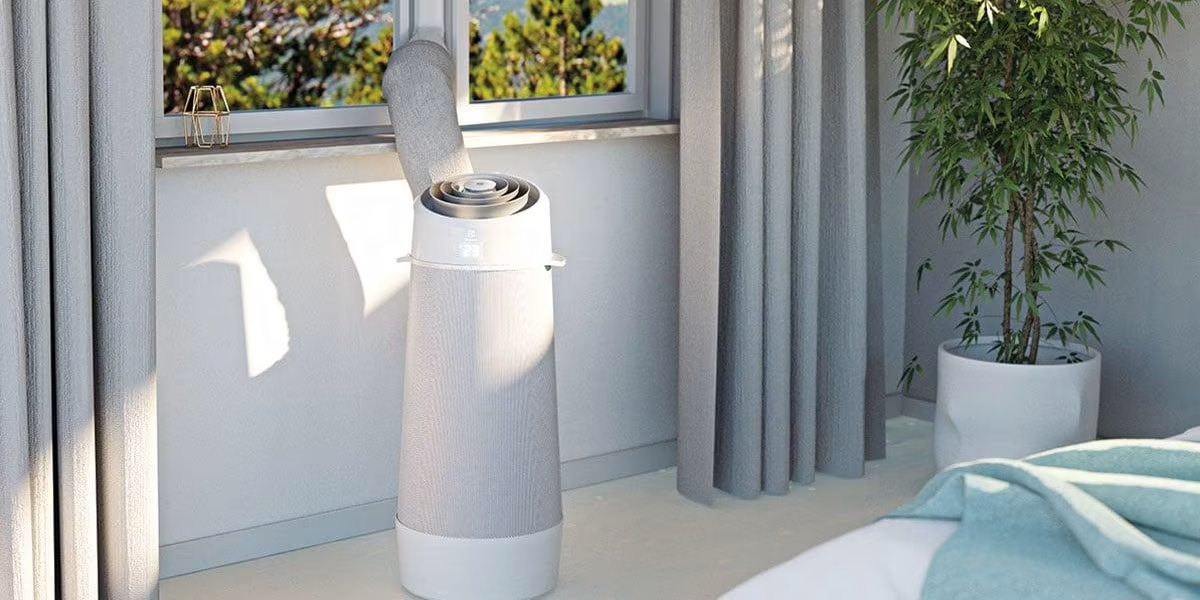
Many air conditioners include automation features, and most have at least a timer function and remote control. Some models can also be controlled via smartphone.
Portable air conditioners are easy to install. You can install them yourself, unlike heat pumps, for example. They're also fairly easy to move after installation, such as from one room to another.
What type of home is best suited for a portable air conditioner?
Portable air conditioners work in any home. You can use one in an apartment or a house. They're also suitable for small offices. However, they're not recommended for large open-plan offices, as they don't have sufficient cooling capacity for such spaces.
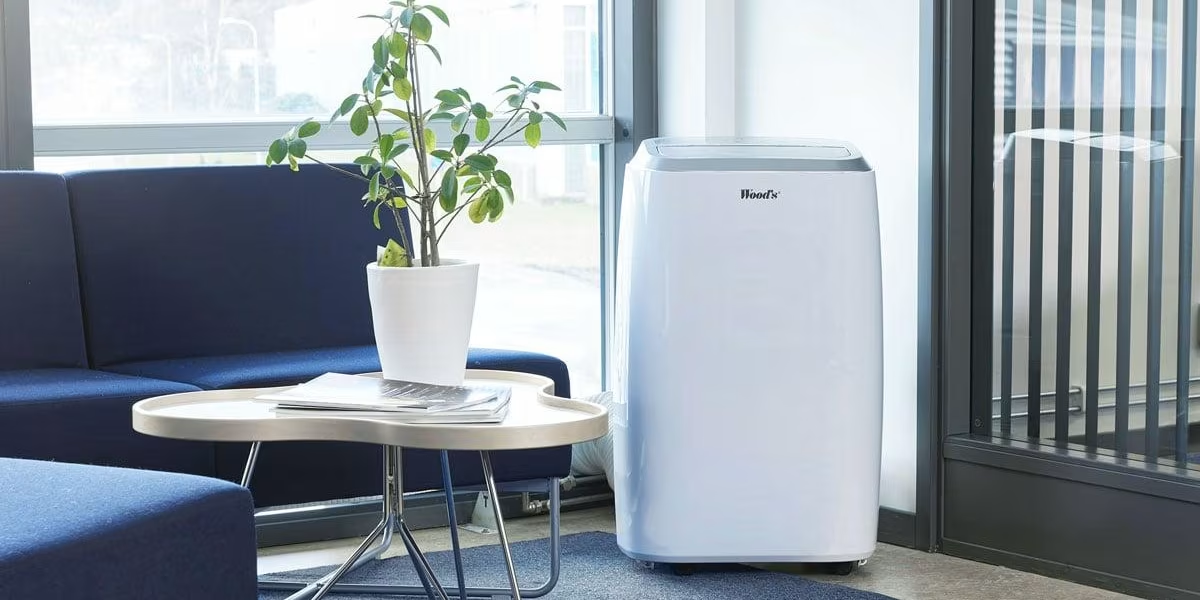
What size space can a portable air conditioner cool?
Portable air conditioners vary in terms of the space they can cool. The maximum coverage area for units in our selection ranges from approximately 15 to 60 square meters.
When choosing a portable air conditioner, consider the recommended coverage area, which is usually listed in the product specifications. Keep in mind that the stated coverage area is only an estimate. The actual area an air conditioner can cool depends on several factors, such as your ceiling material. You can also compare units based on their cooling capacity, or power. Cooling capacity is expressed in BTU and affects the recommended coverage area.
Portable air conditioners are designed to cool a single room. Place the unit in a room where you spend a lot of time, such as the bedroom or living room. If needed, you can purchase multiple units and place them in different rooms or on different floors.
Air cooler or air conditioner?
A portable air conditioner can lower the room temperature. An air cooler, on the other hand, can blow cool air but cannot actually lower the room temperature since it doesn't vent hot air outside like an air conditioner does. If your goal is to lower the room temperature, choose a portable air conditioner.
How to Set Up a Portable Air Conditioner?
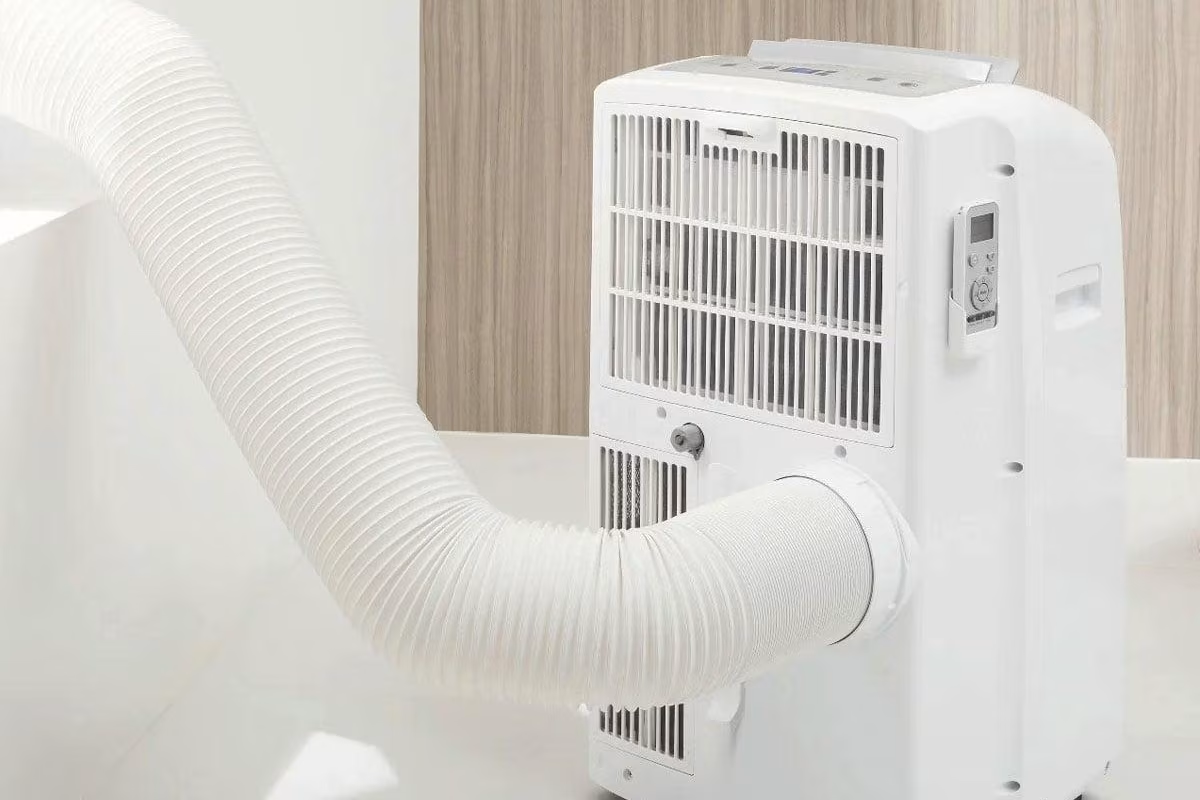
Air Conditioner Installation
Setting up a portable air conditioner is easy. Plug the air conditioner into a wall outlet and install the exhaust hose. The exhaust hose can be easily installed using a window installation kit. The window installation kit usually needs to be purchased separately, as it's typically not included with the air conditioner.
What you should know about using a portable air conditioner
Air always contains dust particles. Since air conditioners draw in air, dust accumulates in their filters. That's why you should check and vacuum the filter from time to time. With regular filter maintenance, you won't need to replace it with a new one. In addition to filter care, you should also empty the unit's condensation water tank when it fills up.
Improve Air Circulation with a Fan
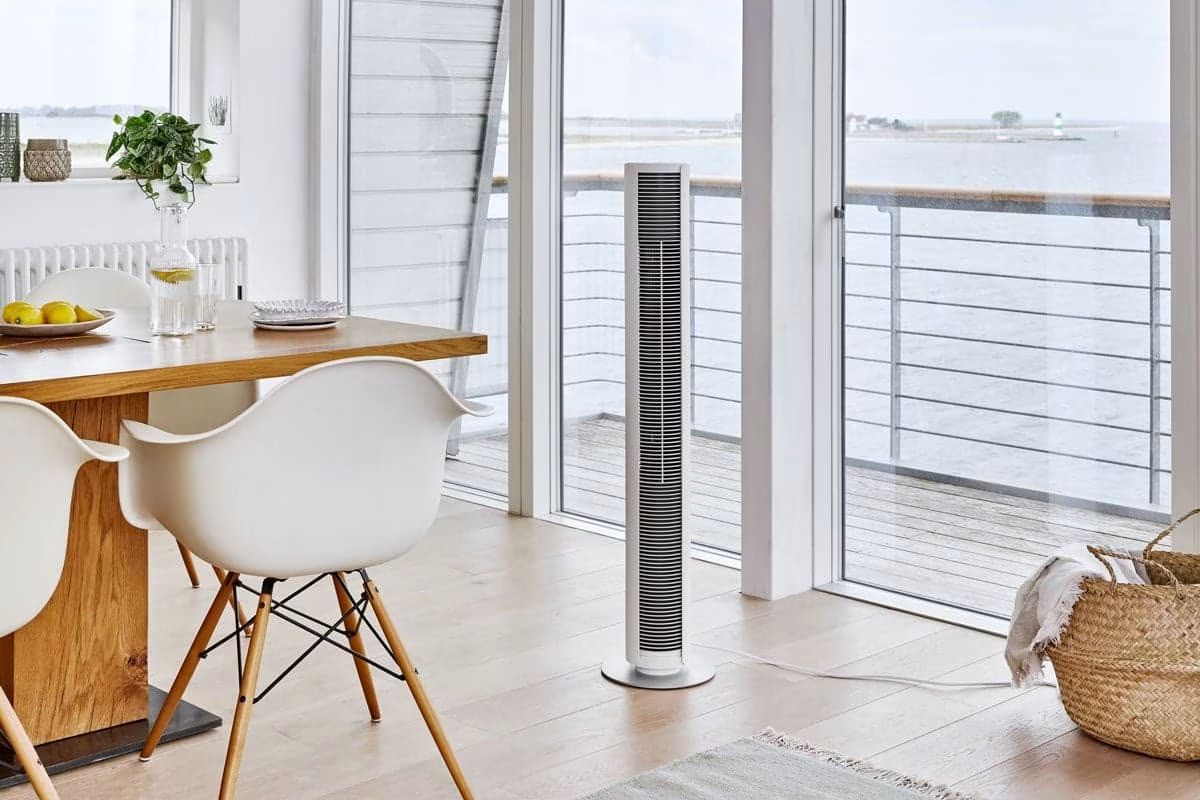
If you want to improve air circulation in your space, a fan is a great addition alongside a portable air conditioner. Positioned in the right spot, a fan circulates air effectively throughout your home and works as a complement to your air conditioning unit.
Air conditioner power consumption
A portable air conditioner's energy class indicates how much energy the unit uses. We list the energy class in the product specifications for each air conditioner.
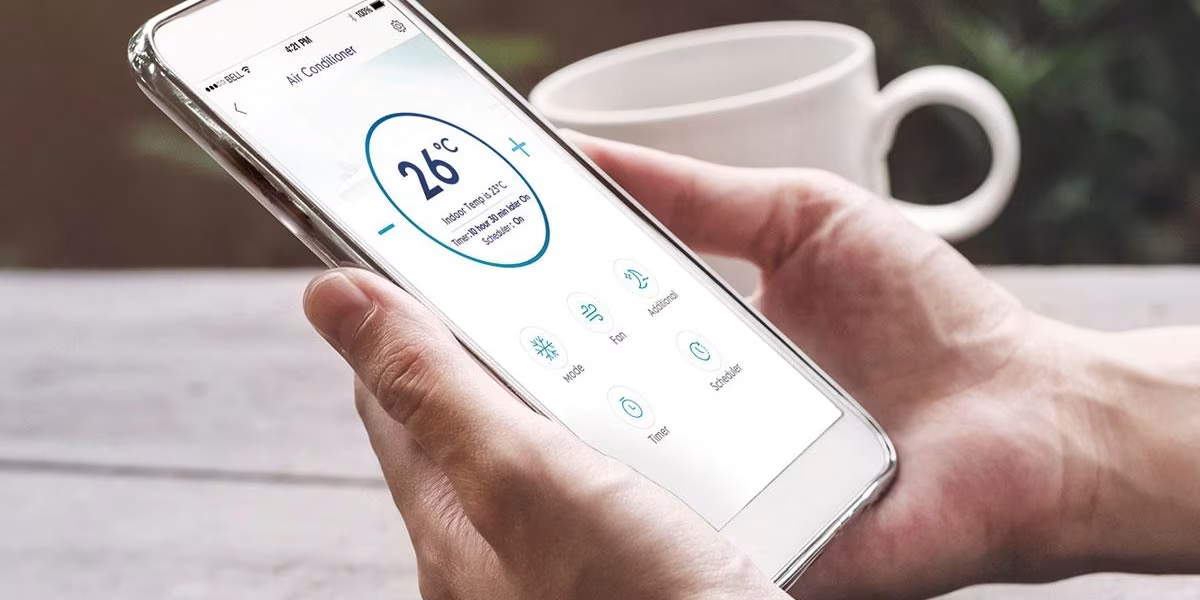
How much power a portable air conditioner uses depends largely on how long and how often you run it. You don't necessarily need to keep it on around the clock. Many units also have a night mode that uses less energy.
Shopping Checklist:
- Consider the unit's power, suitable coverage area, and energy consumption.
- If you're placing the air conditioner in a bedroom, pay attention to its noise level.
- Get a window installation kit.
- Prepare for heat waves and buy a portable air conditioner well in advance.
Order portable air conditioners from Verkkokauppa.com with fast delivery right to your door. Choose from our extensive selection and enjoy summer in a cool home!
Give us feedback – was this article helpful?
We’d love to hear from you! Rate this article on a scale of 1–5 and let us know how we could make it even better.
Give feedback (Ulkoinen palvelu) (Avautuu uuteen välilehteen)