Tennis Racket Buying Guide – What to consider when choosing a racket
Published March 29, 2019
Tennis racket features include weight, balance, head size, string pattern, length, and grip size. Weight and balance are the two most critical factors. However, the most important thing is to choose a racket that matches your skill level and playing style.
Verkkokauppa.com offers a wide selection of tennis racket brands, sizes, and models. Below, we outline the key factors to consider when choosing your racket.
Weight
Tennis racket weight is specified unstrung. Racket weights typically range from approximately 250 to 350 g.
Heavier rackets are more challenging to play with. They are harder to maneuver, which is why they are often designed for more advanced players. The advantages of heavier rackets include better power generation and excellent stability at impact.
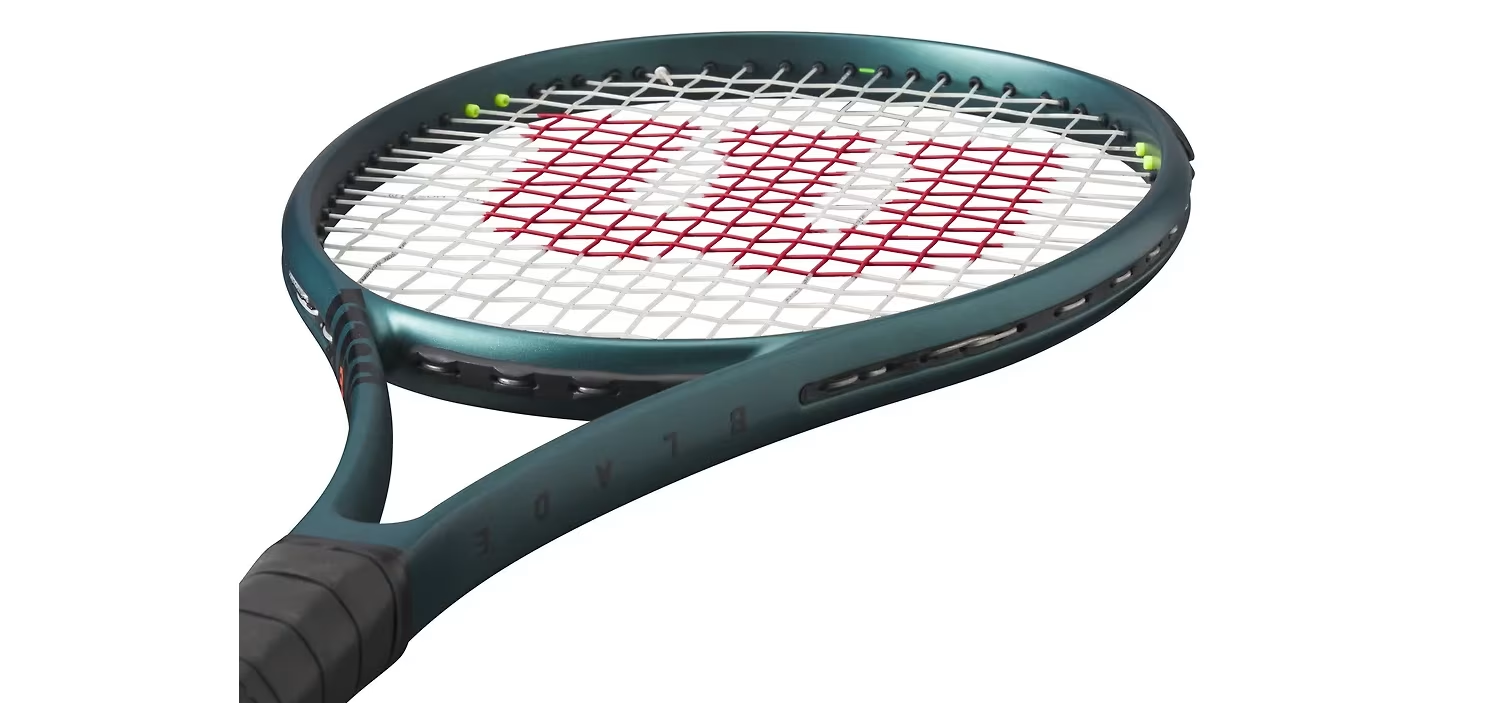
Lighter rackets are easier and more effortless to maneuver. However, generating competitive ball speed can be challenging, and more experienced players may find them unstable with poor ball feel. A lighter racket is an excellent choice for beginners, women, or juniors.
Balance
Tennis racket balance is measured in centimeters (e.g., 32 cm), representing the distance from the base of the handle to the balance point. A lower value indicates a head-light racket, while a higher value indicates a head-heavy one.
Head-light rackets are generally preferred by advanced and competitive players. The lighter head offers better feel and control. However, because there is less weight in the frame, these rackets are less forgiving and generate less power, meaning shots must be hit precisely in the sweet spot.
A head-heavy racket helps players swing through the ball more easily, adding extra power and forgiveness by putting more weight behind the shot.
Head size
Tennis racket head sizes are measured in square inches. In common parlance, they are often referred to by number alone (e.g., a 98 head size). Modern head sizes typically range from 95 to 110 inches. A smaller head size offers better feel and control, while a larger head size is more forgiving and generates more power.
String pattern
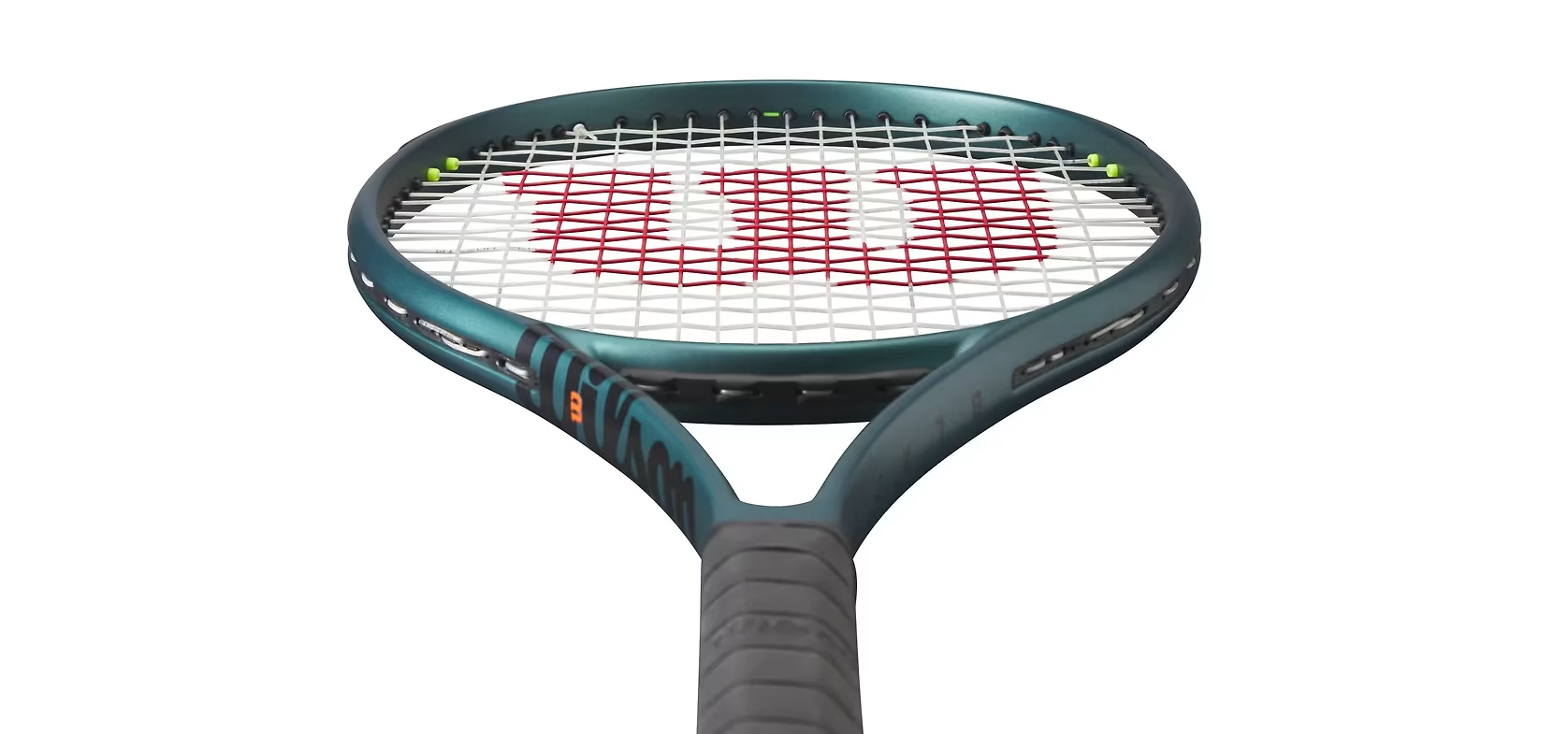
We offer a variety of string patterns, with 16x19 and 18x20 being the most common. These numbers indicate the number of strings in the racket: the first represents the mains (vertical strings) and the second represents the crosses (horizontal strings).
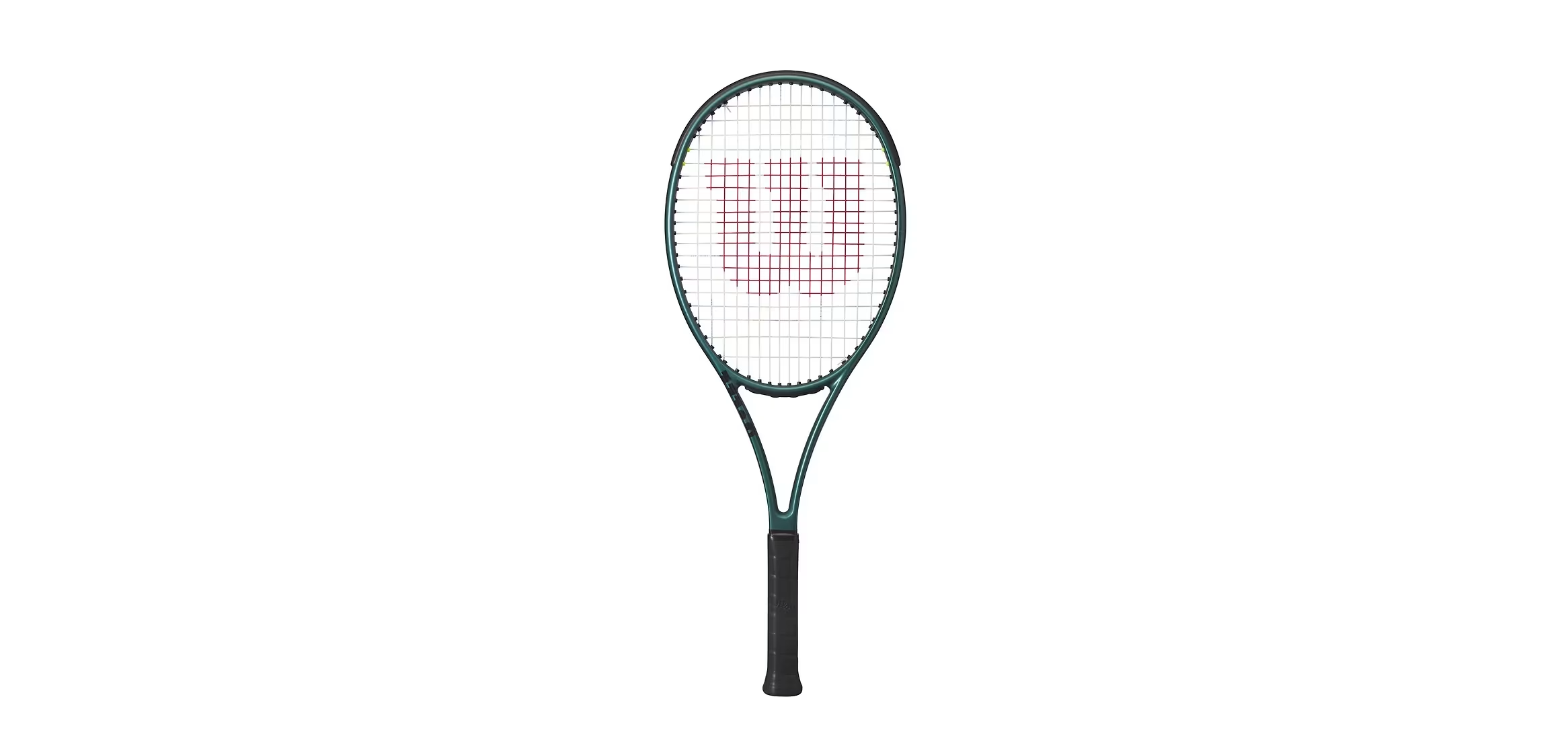
A racket with a high number of strings (e.g., 18x20) is called a dense or closed string pattern. The main advantage of a dense pattern is control, as the strings move very little during impact. In contrast, an open string pattern allows for more movement, providing more spin, comfort, and power.
Some rarer patterns (e.g., 16x15) feature more mains than crosses and fewer strings in total. This setup allows the strings to move significantly upon impact, generating maximum spin and a softer feel.
Grip size
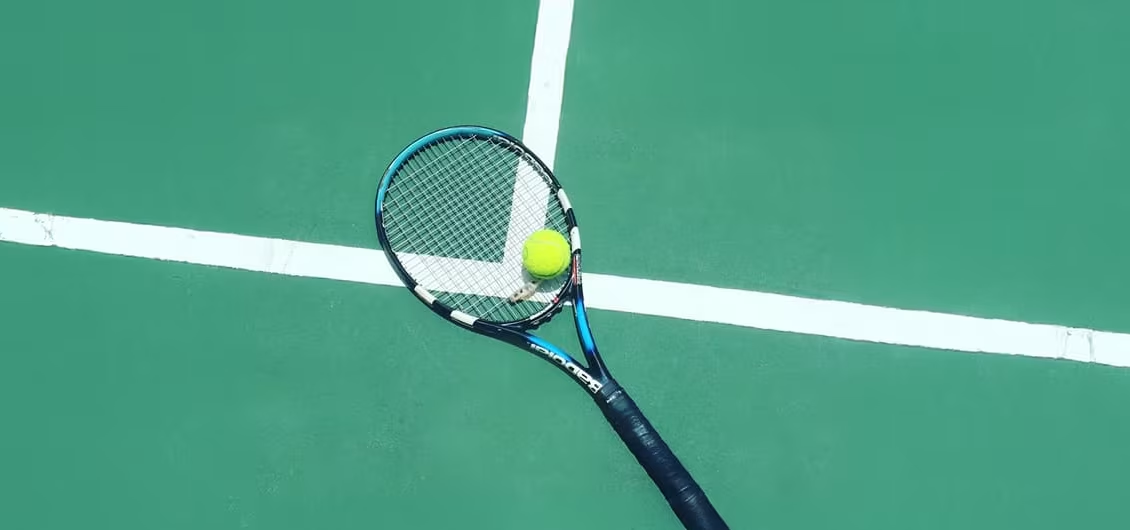
Tennis racket grip sizes range from 0 to 5. Size 3 is by far the most common. Generally, size 1 is suitable for small juniors, size 2 for most women, size 3 for most men, and size 4 for players with large hands. While there are exceptions and personal preferences, grip size should always be chosen individually. You have the right size when you hold the racket with a handshake grip and your fingertips do not touch the base of your thumb.
A tip from Verkkokauppa.com
If your tennis racket's grip size is too small, you can increase it with a thicker grip. Similarly, a grip that's too large can be slightly reduced with a thinner one. Explore our range of grips here
Length
Adult tennis rackets are typically 27 inches long. However, some models reach up to 28 inches. While longer rackets generate more power, they are also more difficult to maneuver.
Tennis racket categories
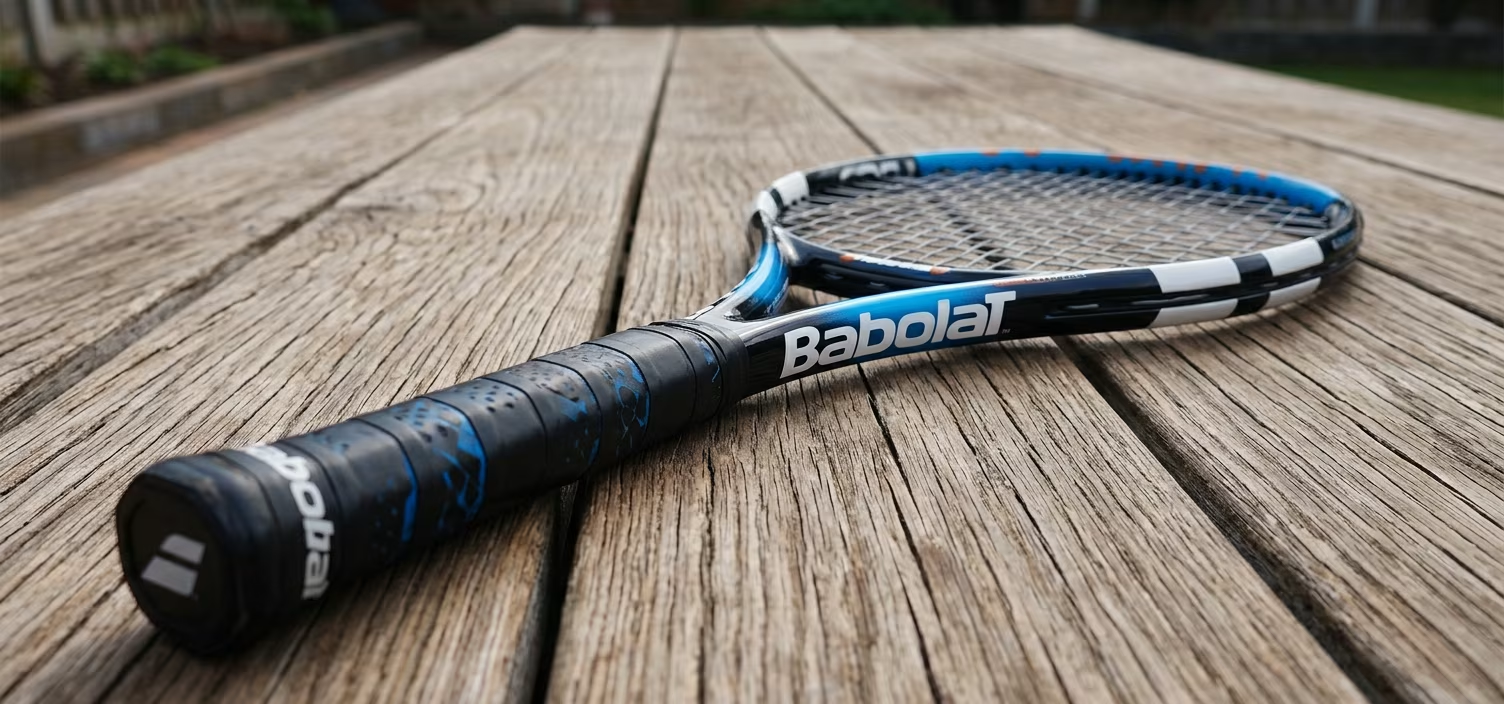
- Power rackets are the largest and most popular category, as they suit a wide range of players. These rackets generate power effortlessly, allowing you to focus on technique and precision. Popular series in this group include the Wilson Ultra and Babolat Drive.
- Spin rackets are ideal for advanced players with solid technique who want to control the game with heavy spin. Great options in this category include the Wilson Blade and Babolat Aero series.
- Control rackets are best suited for traditional players, advanced hobbyists, and competitive players with good technique. These rackets reward clean hits with precision and power but are less forgiving of off-center shots. Well-known control rackets include the Wilson Pro Staff and Babolat Strike.
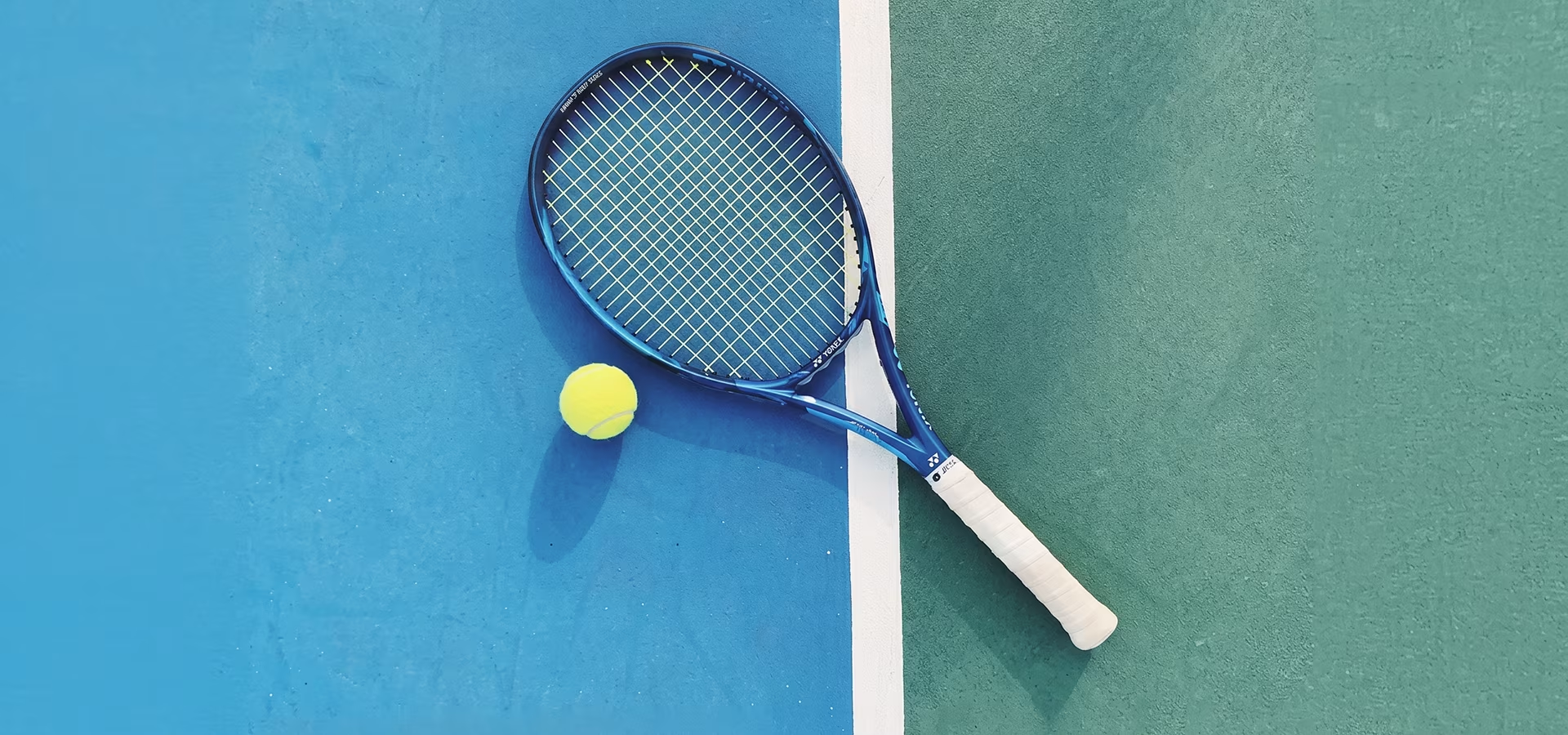
Beyond the basic categories, you'll also find rackets like the popular Wilson Clash and comfort-focused models such as the Wilson Tria.
Tennis rackets for children
Junior tennis rackets feature smaller grip sizes and are lightweight. They are also shorter, with sizes typically listed as 17”, 19”, 21”, 23”, 25”, and 26”. The child's height determines the correct size. We have compiled a guide below to help you find the right racket for your child.
| Size (inches) | Child's height | Age (approximate) |
| 17" | Under 90 cm | Under 3 years |
| 19" | 90–105 cm | 3–5 years |
| 21" | 105–120 cm | 5–6 years |
| 23" | 120–130 cm | 6–8 years |
| 25” | 130–140 cm | 9–10 years |
| 26” | 140–150 cm | 11–13 years |
Verkkokauppa.com offers a wide selection of tennis rackets from various manufacturers. We also carry a broad range of tennis accessories, such as tennis balls, bags, strings, and tennis nets.
Give us feedback – was this article helpful?
We’d love to hear from you! Rate this article on a scale of 1–5 and let us know how we could make it even better.
Give feedback (Ulkoinen palvelu) (Avautuu uuteen välilehteen)