Bike helmet buying guide – for adults, kids, and every type of cycling
A bicycle helmet is often called cheap life insurance. A fall can lead to fatal or life-altering head and brain injuries—risks that a helmet effectively minimizes. With so many options available, finding the right one can feel overwhelming. In this guide, our expert Janne Vanttaja helps you choose the perfect helmet for yourself or your child, whether you're riding in the city or hitting the trails.
When should you replace your bike helmet?
There is no single answer to how long a bike helmet lasts, as it depends on factors like usage and storage. "Sunlight, sweat, and impacts all take their toll," explains Janne Vanttaja. According to Vanttaja, manufacturers' recommendations vary, but the general rule of thumb is about five years.
Vanttaja does offer one definitive rule: "If a helmet is dropped from a height onto asphalt or a hard floor, it should be replaced." He emphasizes that a helmet's protection isn't based on being indestructible; rather, it's designed to break in a controlled manner, absorbing the energy that would otherwise be transferred to the skull. Dropping a helmet can cause internal cracks, meaning it won't provide the same level of protection during a subsequent impact.
Replace your bike helmet
- Approximately every five years, or sooner if heavily used or exposed to significant sunlight
- If the helmet has been dropped or sustained a heavy impact
Adult cycling helmets – choose the right helmet for your needs
Different types of cycling require different types of protection. When choosing a helmet, consider where and how you ride. Do you mostly cycle short distances to the shops, commute to work, or hit the trails for mountain biking? You can buy a specific helmet for each activity or opt for a versatile hybrid model with modular parts that can be adjusted to suit your needs.

What kind of helmet for city cycling?
City cycling is all about relaxed cruising where the goal is to get from A to B without breaking a sweat. According to Vanttaja, style is the key factor when choosing a city helmet, as looking good matters in the urban landscape: "That’s why these helmets feature stylish patterns—to help you express your personal style." Since city cycling doesn't require specialized gear, the helmet is more of an accessory that should complement your outfit.
Choosing a road cycling helmet
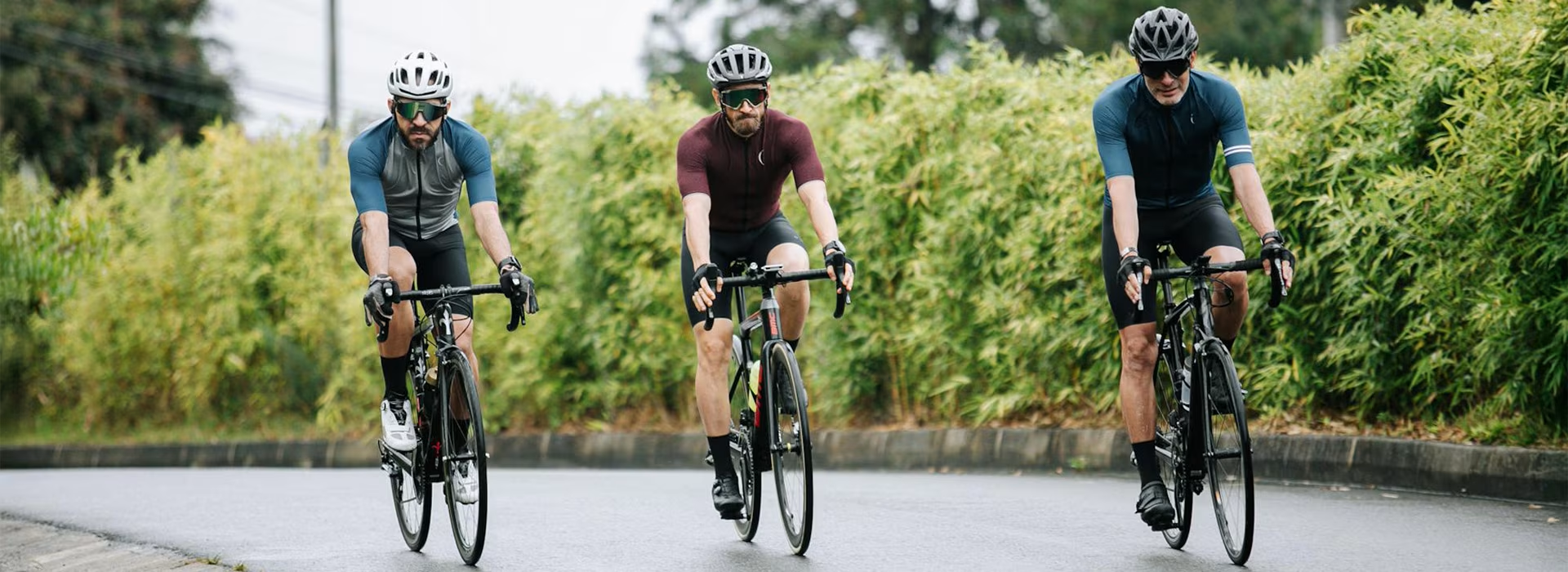
Road cycling typically involves long, high-speed rides. It’s an intense workout that will make you sweat regardless of the weather, making helmet ventilation crucial. Since the riding position on a road bike is low, your neck supports your head differently than when sitting upright. Choose a lightweight road cycling helmet with excellent ventilation.
Choosing the right mountain bike helmet
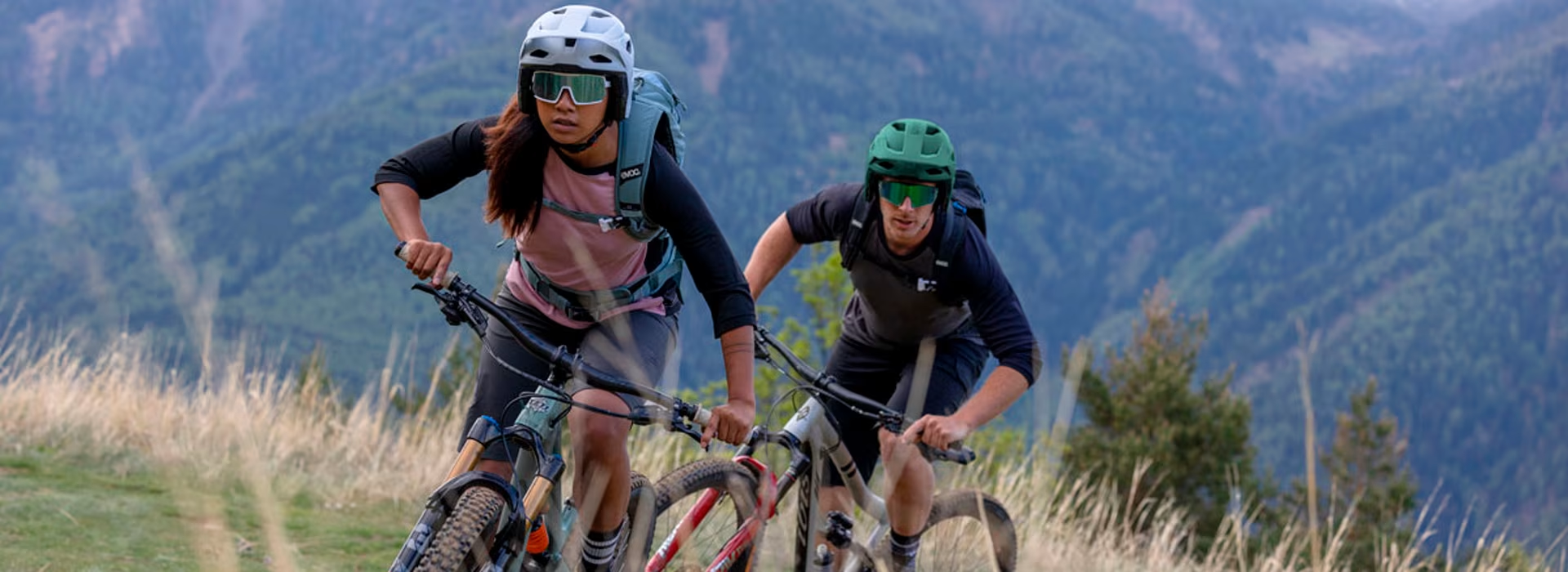
Unlike other types of cycling, crashes are more common in mountain biking, making high-quality protection essential. Mountain bike helmets are sturdier and offer better coverage to protect against branches, stumps, and debris. They usually feature a visor that protects against low-hanging branches, sun glare, mud, and rain. Many also include mounts for goggles, lights, or action cameras.
Mountain bike helmet: with or without a chin guard?
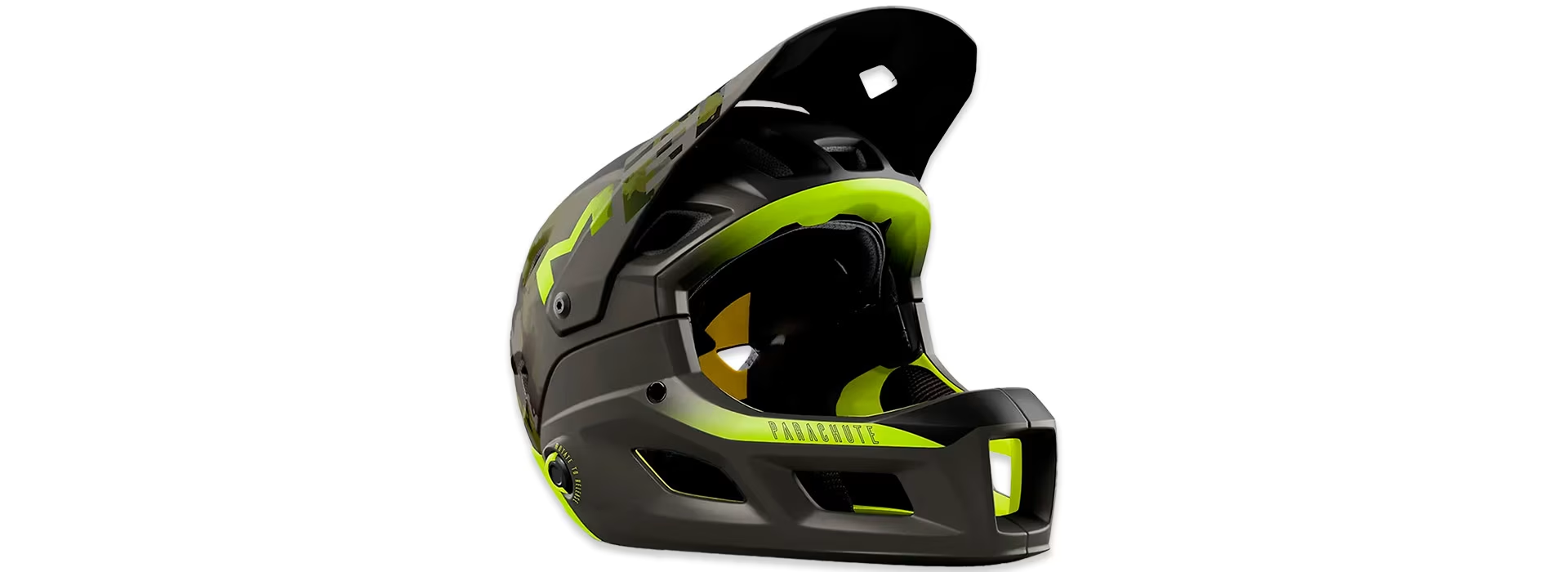
Full-face helmets have become increasingly popular, especially with the rise of e-MTBs, as higher speeds increase the risk of serious injury. However, even traditional mountain bikers often appreciate the added security and confidence a chin guard provides.
Entry-level models usually feature a fixed chin guard, but premium versatile helmets allow you to attach or remove the guard as needed. While fixed models are inherently robust and durable, helmets with detachable chin guards range from lightweight options for minor bumps to heavy-duty versions designed for high-impact protection.
Janne Vanttaja notes that full-face helmets often feel tight and uncomfortable when new, but they will break in over time. A snug fit is essential for the chin guard to provide effective protection in a crash.
Choosing the right helmet for commuting
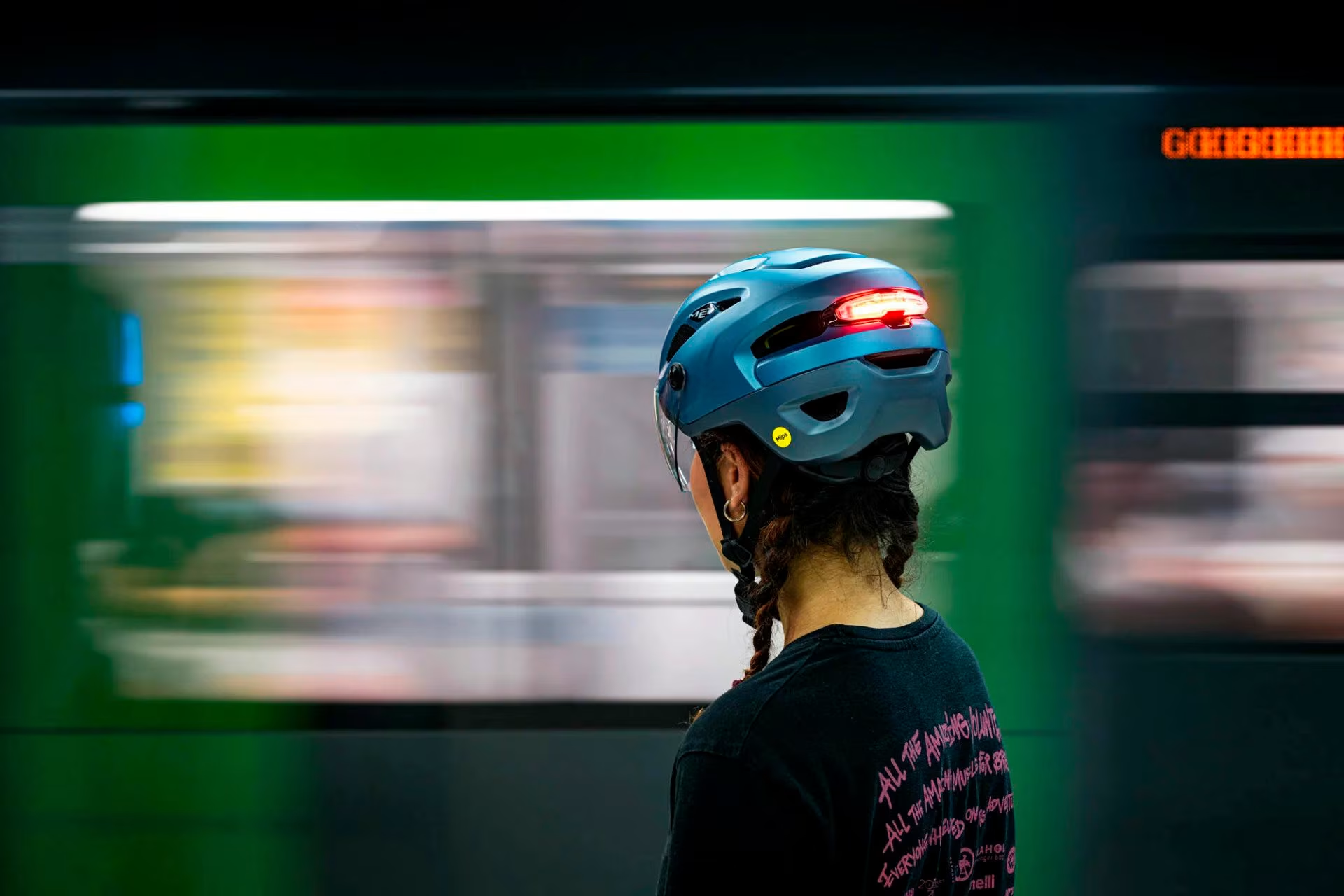
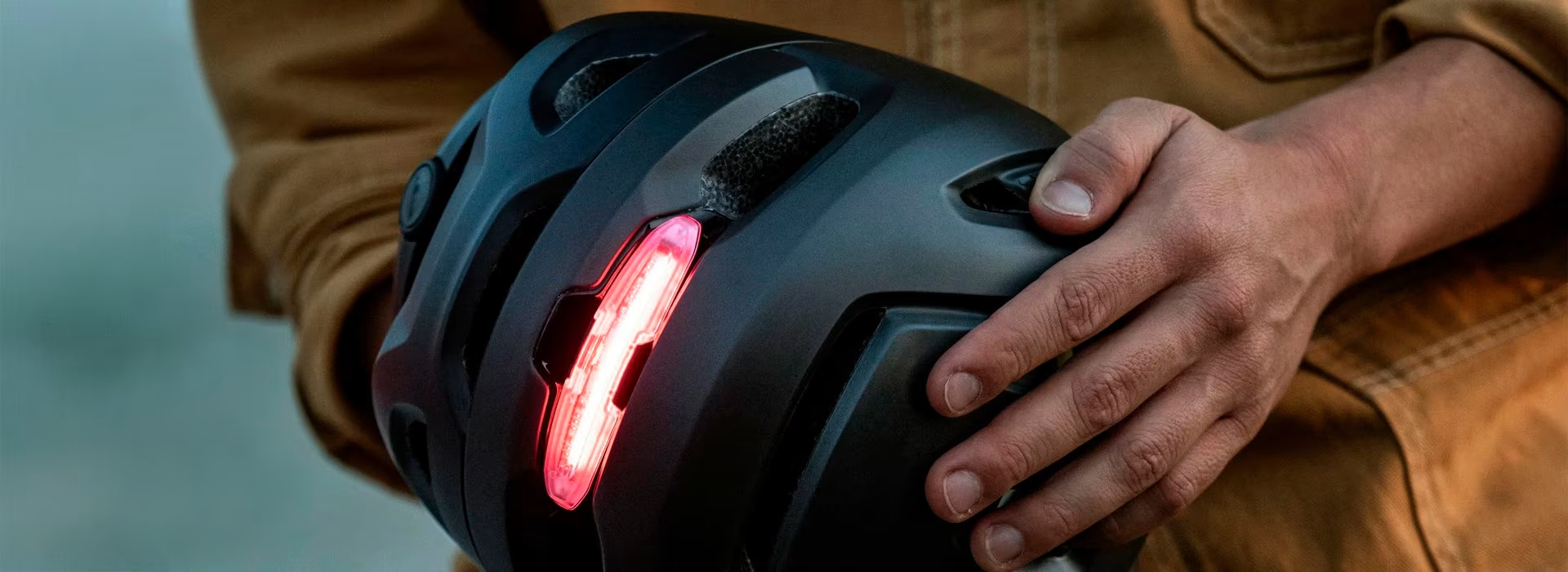
Commuting by bike is a great way to stay active, or it might simply be the most affordable, fastest, and easiest way to get to work. If you treat your commute as a workout, you likely prioritize performance over aesthetics. Regardless of the style you choose, consider a brightly colored helmet or one with integrated safety lights. During the darker months of autumn, winter, and spring, visibility is crucial for staying safe in traffic.
What kind of helmet do you need for winter cycling?
You can use the same helmet in winter as you do during any other season. Vanttaja advises against choosing a larger helmet size to accommodate a beanie for several reasons. First, a thick hat compromises the fit, which could cause the helmet to come off in a crash. Second, helmets are designed with optimized ventilation because cycling generates heat; in winter, a thin neck gaiter or balaclava is usually enough to block the wind.
Enhance cycling safety – helmet color, lights, and visor
Beyond the intended use, it's worth considering which features will enhance your safety and comfort. The features you need depend largely on how much and what time of day you ride.

Bicycle helmet colors – the brighter, the better
While black remains the most popular choice in Finland, Janne Vanttaja recommends opting for a more colorful helmet. "A helmet is at a height where it's easily noticed and visible from every direction," he explains. You can often spot Vanttaja himself in traffic wearing a yellow helmet, especially on his commute. Bright colors are the new black – at least when it comes to cycling!
Helmet lights improve cyclist visibility
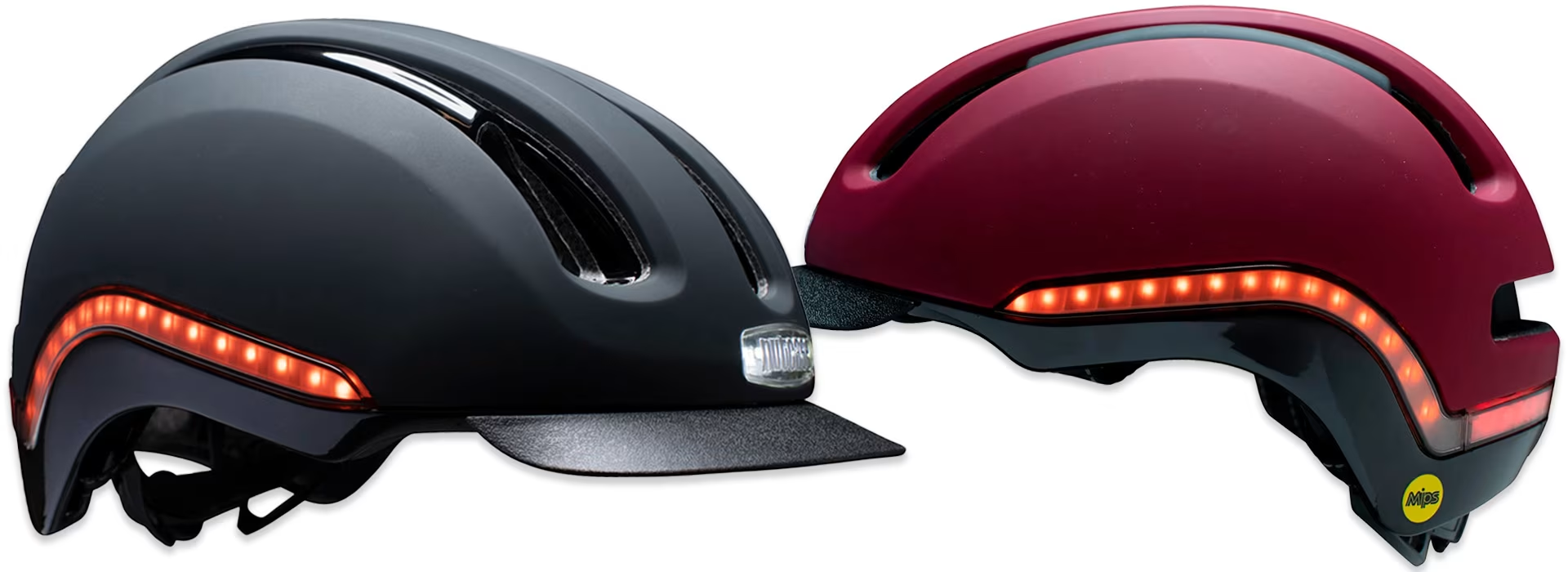
You can never have too many safety lights when cycling in the dark. Helmet-mounted lights are particularly effective because the helmet is at the optimal height for visibility. Choose a helmet with built-in lights or one that allows for separate attachments.
While helmet-mounted headlamps are useful for mountain biking, Vanttaja doesn't recommend them for road or city cycling. At head height, these lights can dazzle other road users and distort a driver's perception of distance. Cyclists must use both front and rear lights in the dark, and the best choice for a front light is a handlebar-mounted bike light.
Cycling helmet with a visor – protect your eyes from wind and insects
According to Vanttaja, cycling helmets with visors are popular among commuters and especially e-bike riders, as higher speeds make wind resistance more noticeable. Eyeglass wearers also prefer visors because they fit comfortably over glasses. Standard glasses don't provide enough protection on their own, as wind can still reach the eyes from the sides.
Choose a visor helmet based on your riding style. E-bike helmets are typically sturdier to handle higher average speeds. For road cycling, a lightweight helmet is essential to reduce neck strain when riding in an aerodynamic, low-profile position.
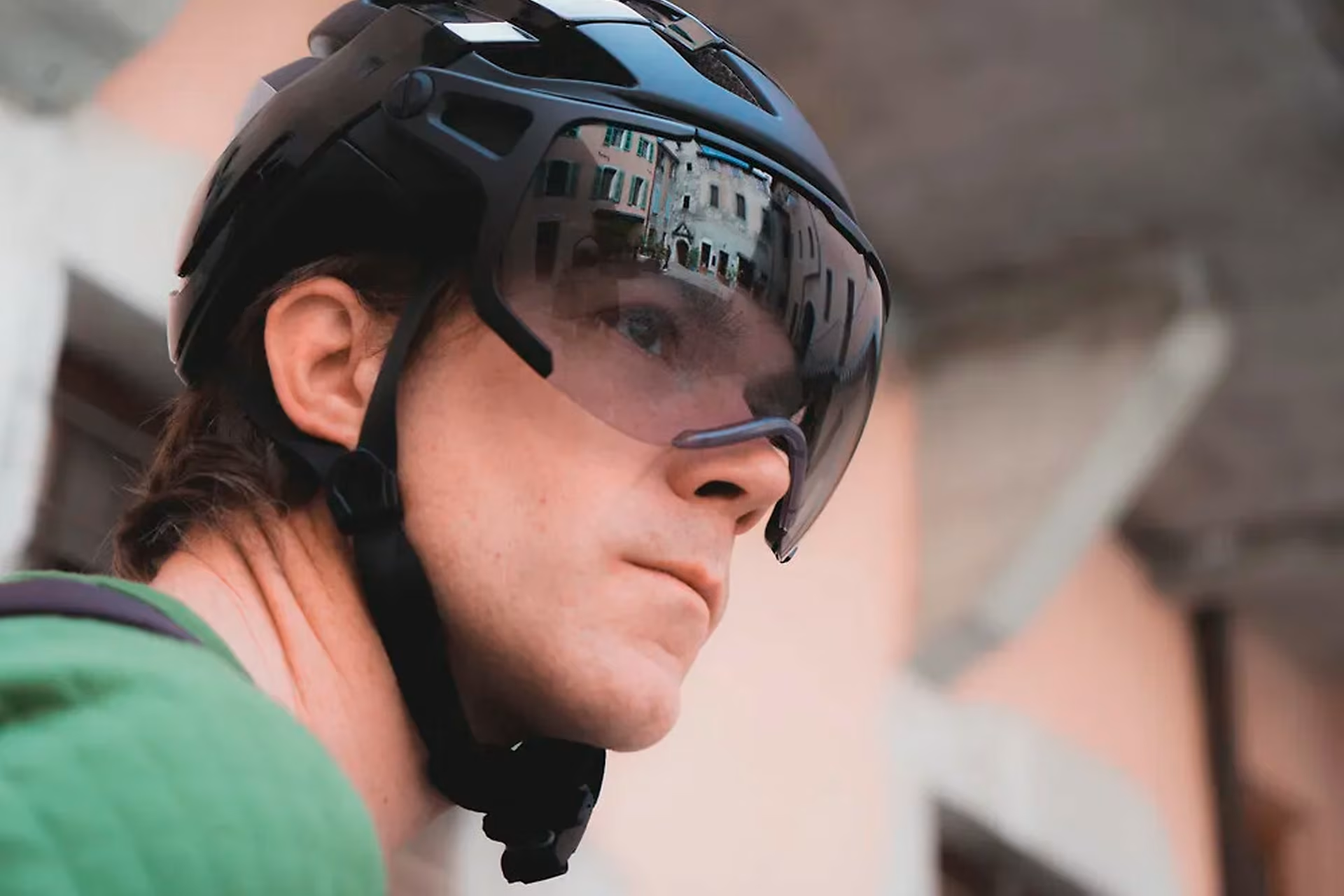
Protecting your eyes is essential against rain, wind, insects, and road debris. If you don't want a cycling helmet with a visor, make sure to wear at least cycling glasses.
Who is a visor for?
- Commuters
- E-bike riders
- Eyeglass wearers
Choosing the right visor
- Sturdier helmets for e-biking
- Lightweight helmets for road cycling
Bike helmet prices – is more expensive safer?
According to the Finnish Road Safety Council (Liikenneturva), all helmets sold in Finland must be CE-approved and meet EU standards. These standards evaluate fastening systems, weight, ventilation, ease of use, eyewear compatibility, and impact absorption. Essentially, any helmet sold on the Finnish market improves rider safety—especially compared to riding without one at all.
According to Janne Vanttaja, many helmet manufacturers feel that standard requirements are set too low. "All high-quality bike helmets exceed these requirements many times over. They are safer, fit better, and offer better usability," Vanttaja explains.
Premium bike helmets use superior materials and are designed to be both lightweight and safe. While a budget helmet might be light, it often sacrifices safety. Basic helmets typically feature a single plastic shell, whereas high-quality models use multiple shells that cover the entire helmet. This makes them more durable against minor impacts and structurally stronger in the event of a crash.
Investing in safety – what is MIPS?
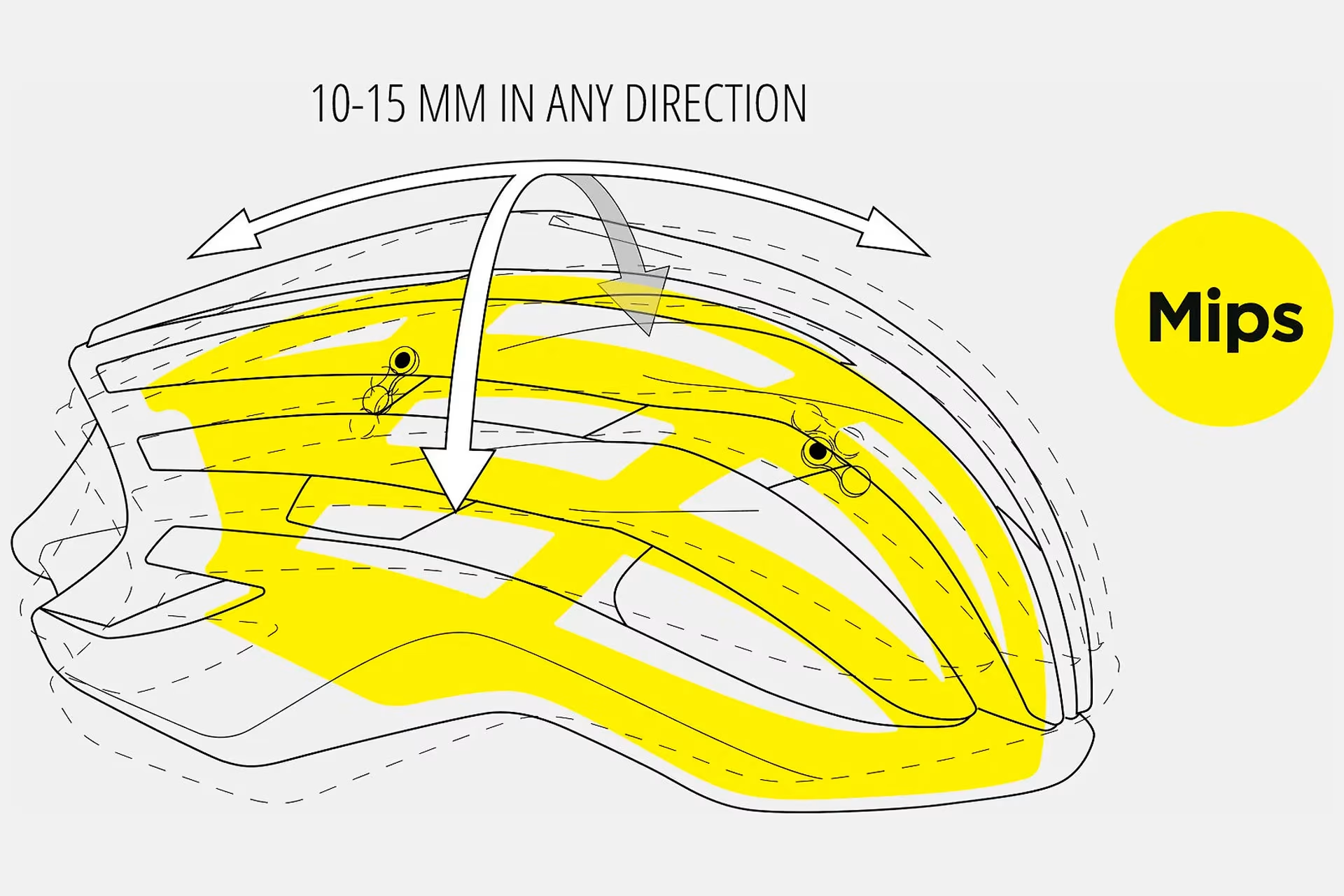
Many helmets are now available in both standard and MIPS versions. But what is MIPS? MIPS helmets feature an additional internal layer designed to allow the helmet to rotate slightly upon impact without coming loose, which helps absorb the force directed at the brain. If a helmet is fixed too rigidly and the head rotates, the brain cannot keep up with the movement; MIPS is specifically designed to reduce this rotational motion.
Bike helmet size, fit, and adjustment
For a helmet to provide real protection, it must be the correct size and fit properly. According to Janne Vanttaja, most helmets come in two sizes, though some offer only one or up to three. A single size can still accommodate different head shapes, as most helmets feature an adjustment dial that allows for a few centimeters of fine-tuning for a perfect fit.
Correct sizing alone doesn't guarantee a good fit. "Head circumference doesn't reveal the shape of the head; some are narrower while others are rounder," Vanttaja explains. Helmet designs vary between brands and even within a single brand's range, so there’s a fit for everyone. When trying on a helmet, adjust it properly to ensure it sits securely on your head.
1. Measure your head circumference
- Wrap a measuring tape around your head, starting from the forehead just above the eyebrows.
- Choose a helmet size based on your measurement.
2. Position the helmet correctly
- According to the Finnish Road Safety Council, the forehead is the most common impact point, so the helmet must provide adequate protection for it.
- Position the front edge of the helmet so it sits just above your eyebrows.
3. Adjust the straps
- The ear should fit inside the triangle formed by the straps, with the buckle sitting snugly below the ear.
- The strap must be tight enough to ensure it cannot slip over the chin.
4. Ensure a proper fit
- If the helmet still wobbles or feels uncomfortably tight after adjustments, it is not the right fit.
- Try a different helmet.
Our 32-day return policy ensures you find the perfect helmet online. If it doesn't fit perfectly, don't hesitate to return it and try another model.
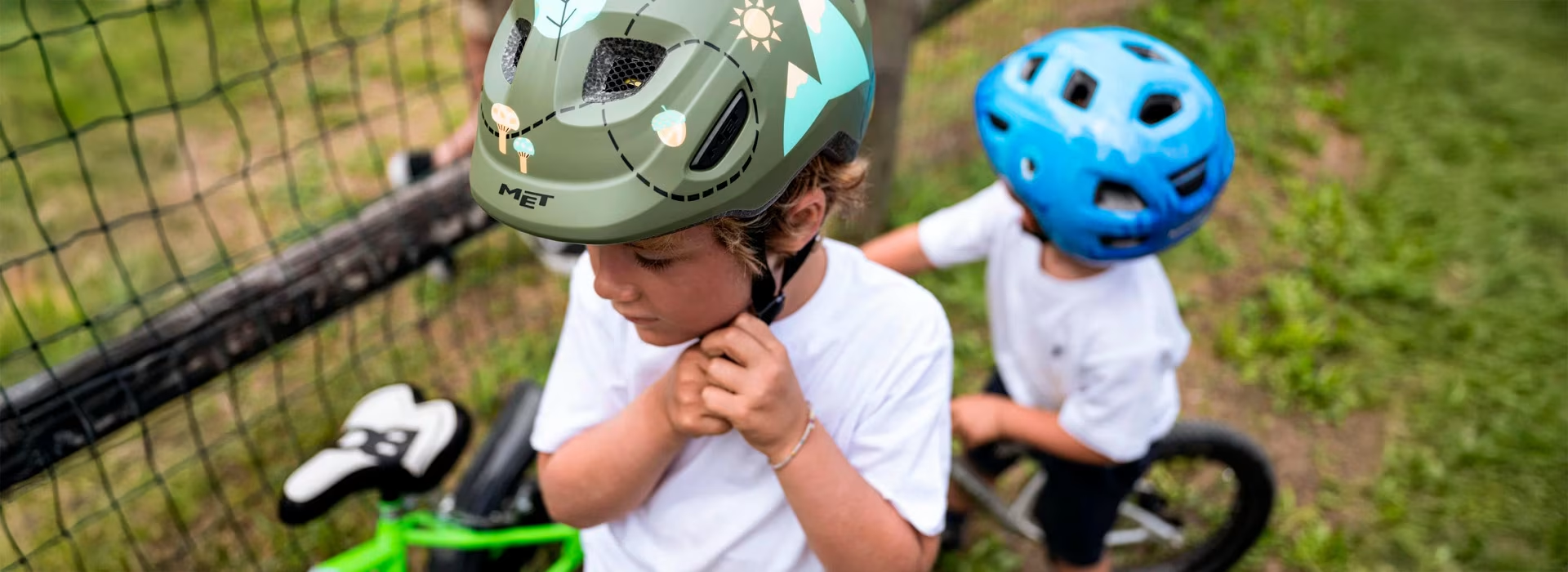
Bike helmets for children and babies
Lightness is the most important feature in helmets for infants and toddlers. A helmet that is too heavy can strain a baby's neck even without an impact. It is also crucial that the helmet is the correct size and fits securely. Adjust the straps, position the helmet correctly, and ensure it doesn't wobble or slide.
Make helmet fitting a fun experience for your child
Fitting can be uncomfortable or difficult for some children, so set aside plenty of time and try to stay patient. Create a fun, encouraging atmosphere—a little bribery or a well-timed distraction can work wonders!
It’s also essential that your child actually wants to wear the helmet, so let them pick out their favorite color or pattern.

Give us feedback – was this article helpful?
We’d love to hear from you! Rate this article on a scale of 1–5 and let us know how we could make it even better.
Give feedback (Ulkoinen palvelu) (Avautuu uuteen välilehteen)