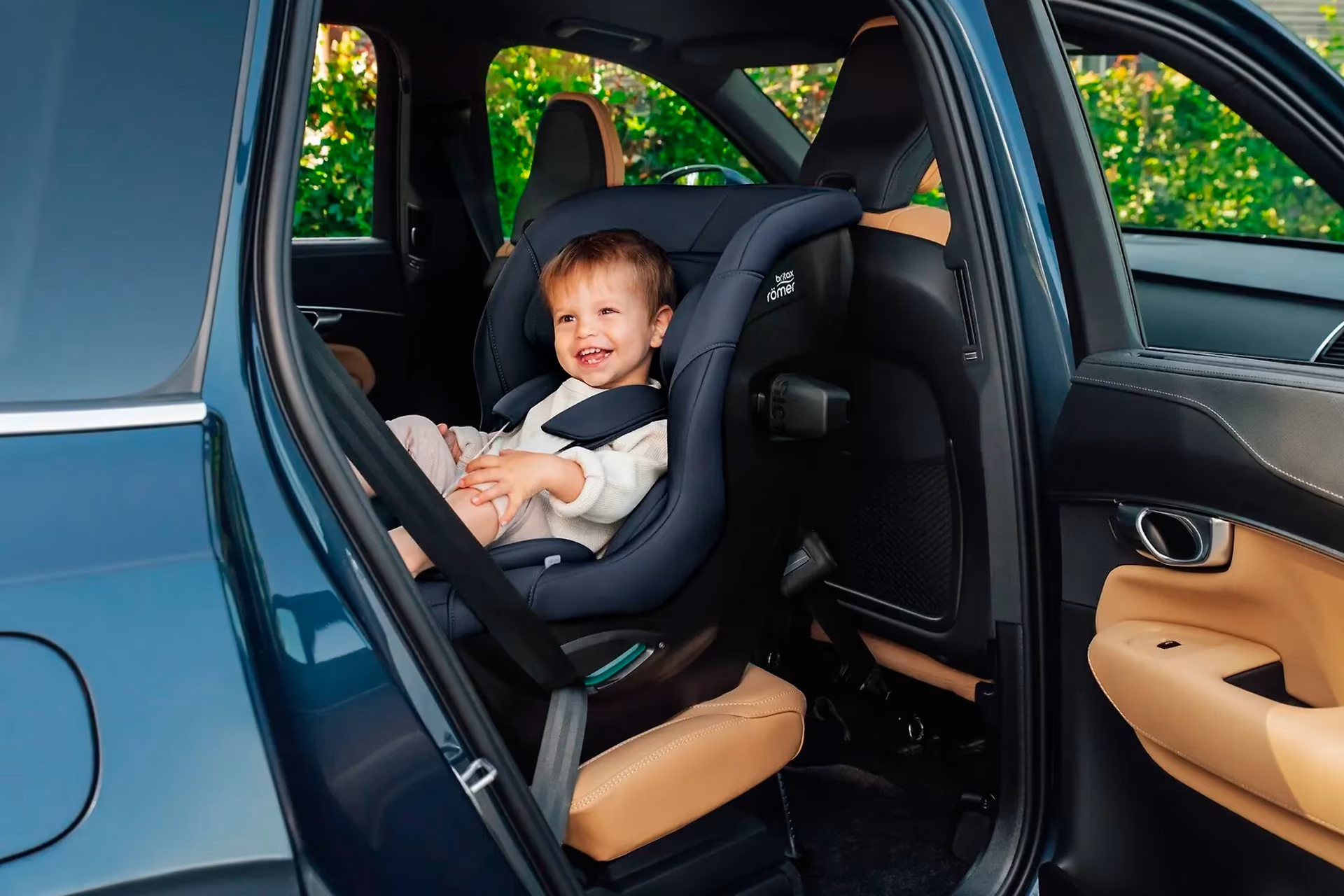
Child car seats: A comprehensive buying guide
What is the best car seat for a baby? What is Isofix and how does it work? We’ve compiled the most important questions for families buying a new car seat.
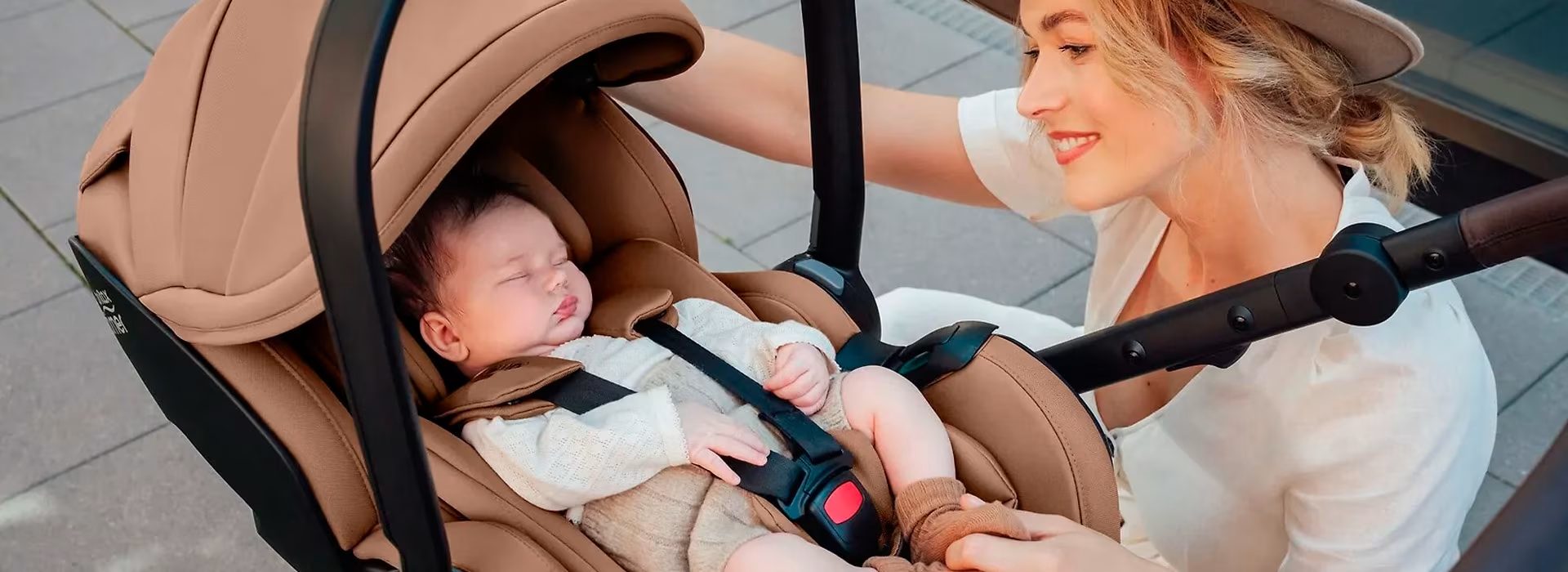
A car seat is one of the most essential purchases for families, impacting both travel comfort and, most importantly, your child's safety.
With a wide range of car seats available, it's worth considering your family's specific needs before buying. Verkkokauppa.com expert Laura Haagmann points out that families who drive frequently benefit from infant car seats that can be attached directly to a stroller while the baby sleeps.
"A travel system is particularly convenient, allowing you to attach the infant car seat to the stroller with an adapter," Haagmann suggests. "Another life-saver is a base that rotates 90 degrees, making it much easier to lift the child out of the car."
ISOFIX or seat belt installation?
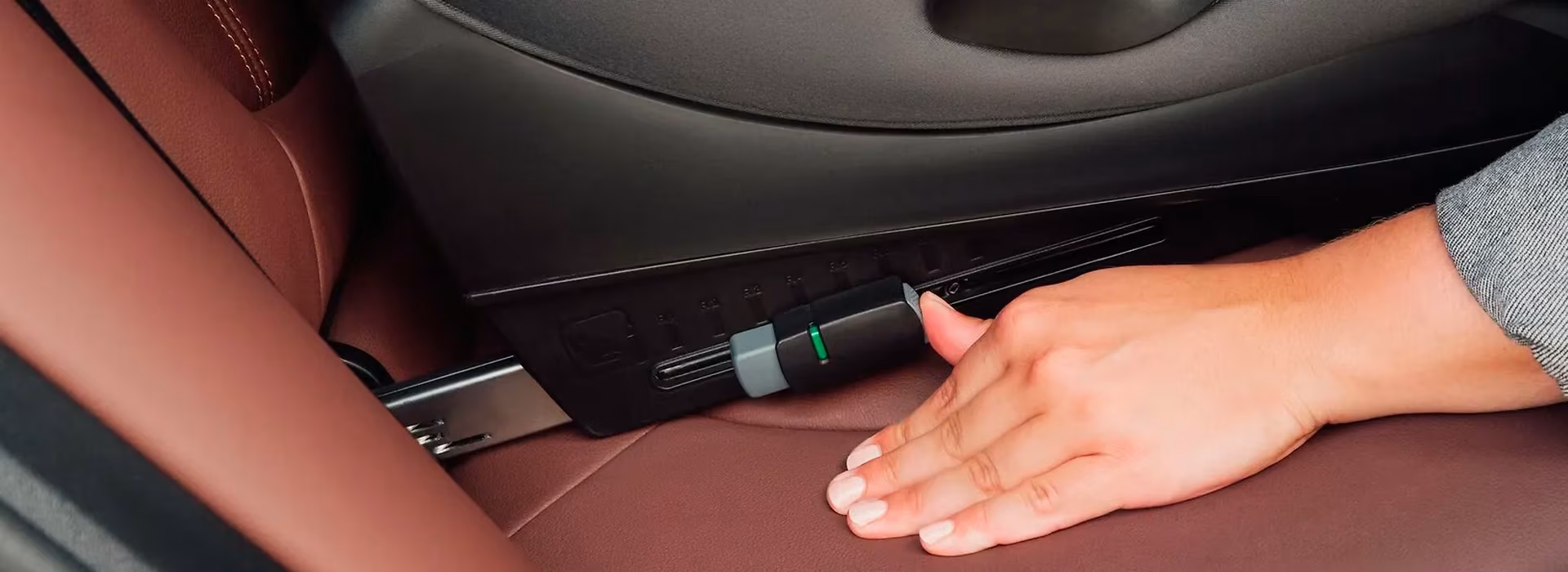
There are two ways to install a car seat: using ISOFIX or the car's seat belts. ISOFIX is a built-in feature where the seat is secured to the rear bench using integrated metal anchors. Besides your car's features, the choice depends on how often you move the seat between vehicles. Some models support both ISOFIX and seat belt installation, which is a great option if you frequently use different cars.
According to Elias Ruutti, an expert from Liikenneturva, both installation methods are equally safe as long as the seat is installed correctly according to the manufacturer's instructions. However, the seat's location in the car is an important consideration.
"The safest place for a child in a car is the back seat. While children can be transported in the front seat under certain conditions, you must carefully read the instructions for both the safety device and the vehicle," says Ruutti. "The law specifically prohibits placing a rear-facing child seat in a front seat equipped with an active airbag unless the airbag has been deactivated."
How long should a child travel in a rear-facing car seat?
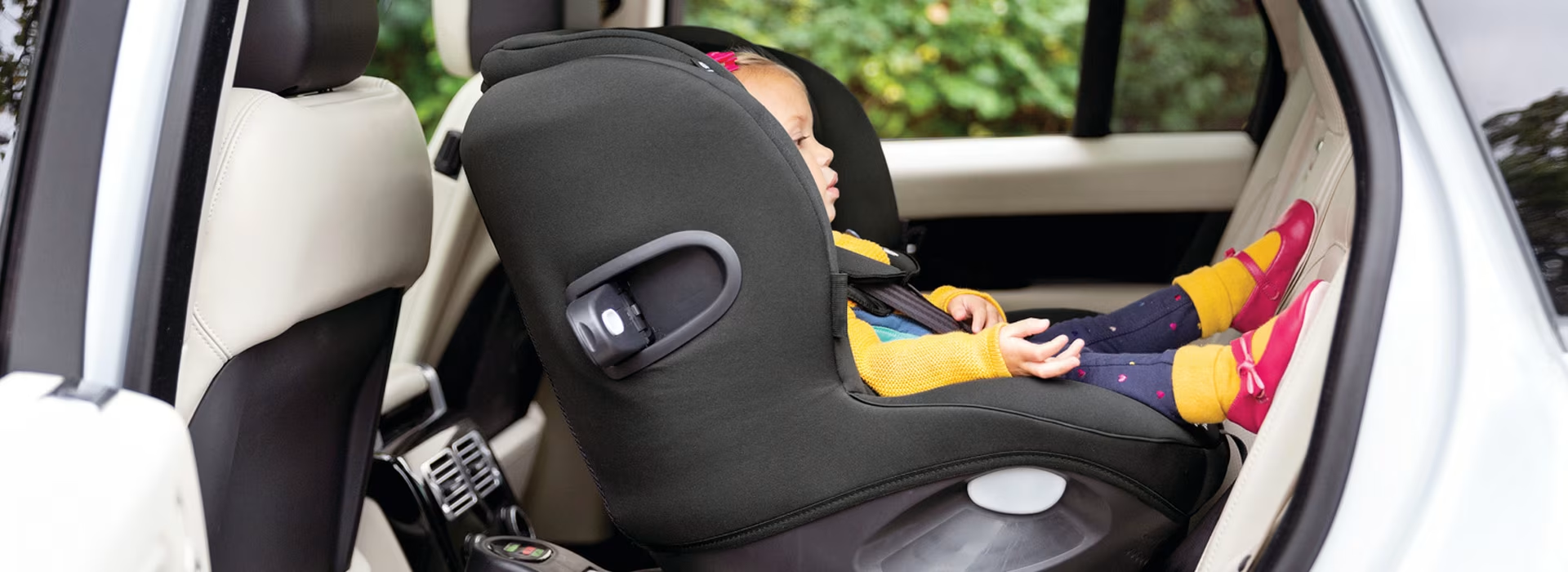
Children should travel rear-facing for as long as possible, at least until the age of four. There are plenty of seats on the market that allow even older children to travel rear-facing. According to Ruutti, it is always the safest option.
"I've seen children as old as nine traveling this way. It's important to remember that even if the child wants to face forward, safety is never their decision to make," Ruutti says.
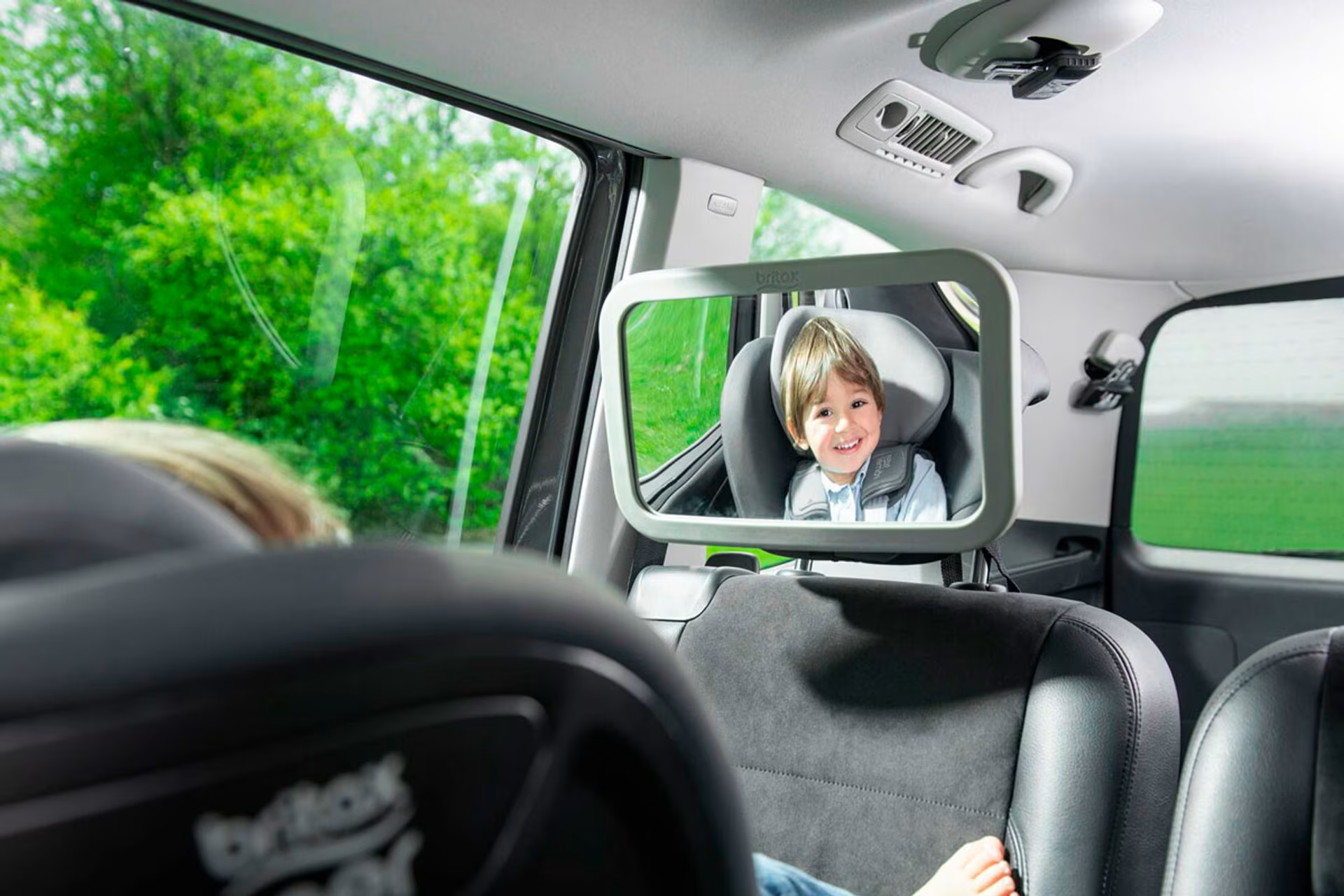
When traveling rear-facing, comfort can be improved with a small mirror installed on the back seat, allowing an adult in the front to easily keep an eye on the child. Many parents will also appreciate seat protectors, which are available for both the car seats and the backrests.
"Children often kick the backrest or the seat. A seat protector prevents the car from getting dirty and can also feature pockets for toys and other entertainment," Haagmann suggests.
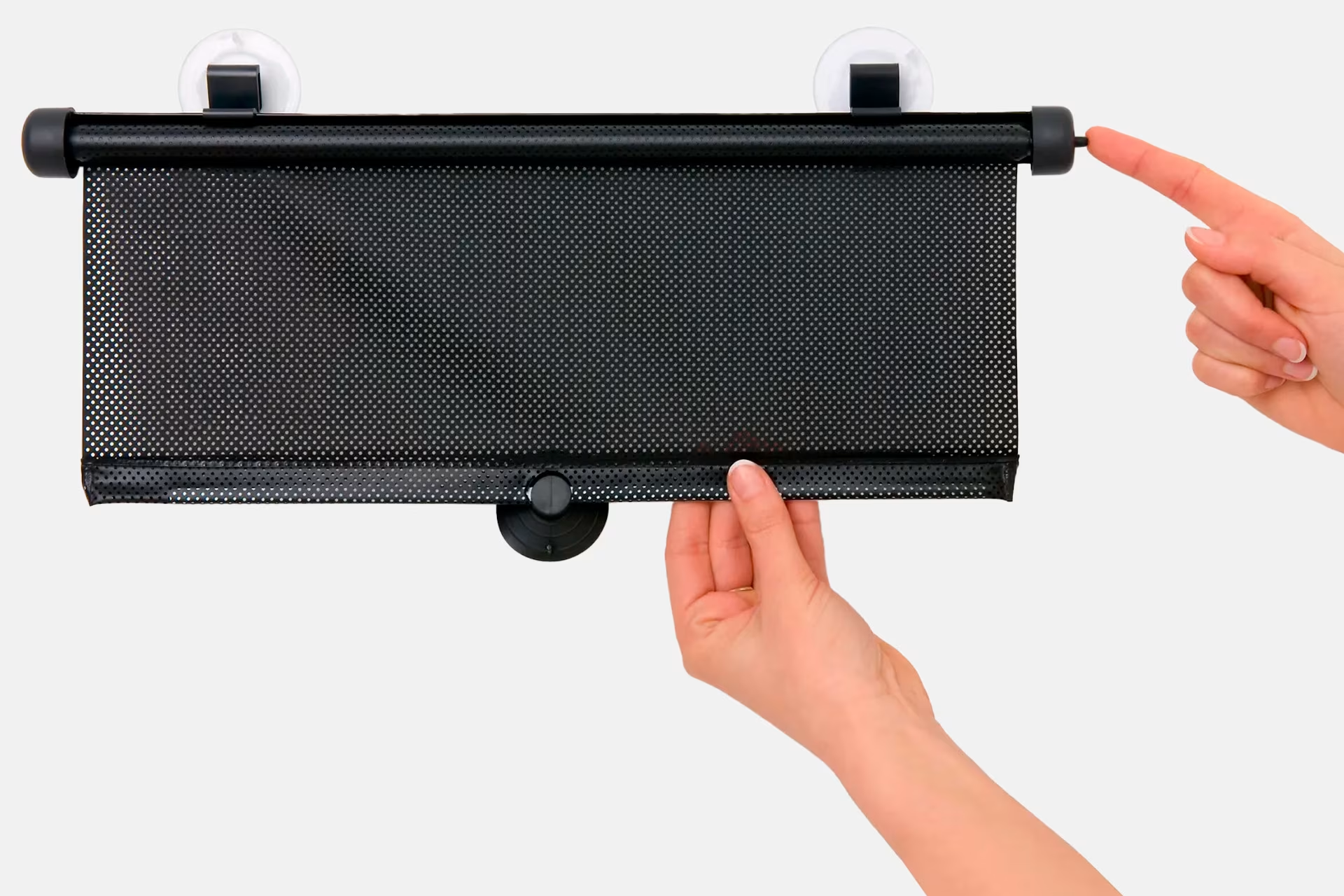
Other useful accessories include sunshades and play trays, which help keep children entertained in the back seat during the journey.
Choosing a car seat for a motorhome or van
Car seat regulations apply to motorhomes just like any other vehicle. By law, children must use an approved safety seat in cars, vans, and trucks until they reach a height of 135 cm.
A seatbelt-installed car seat is often the most practical choice for motorhomes, as ISOFIX points are typically only found in newer models.
"If you must place a child in the front seat of a motorhome, the airbag must be deactivated, and you must ensure the seat doesn't obstruct the driver's view," Haagmann notes. "It’s also vital to remember that all passengers in a motorhome must remain seated and buckled up while the vehicle is in motion."
Under the Road Traffic Act, children under the age of three must always use a car seat in a moving vehicle. This includes taxis, making it essential to have a car seat even if you don't own a vehicle yourself.
Get everything you need in one go at Verkkokauppa.com!
Buying a car seat involves many factors you should consider before making a decision. That’s why expert customer service and a wide selection are invaluable.
"Our chat service lets you talk to a real person to find the best solution for your family's specific needs," says Haagman. A wide selection means you can get all the necessary components and accessories at once. This saves both time and money by helping you avoid incorrect purchases.
"At best, you can have a car seat and all the accessories delivered to your door on the very same day," Haagman adds.
Car seat accessories: improve your child's travel comfort
- Mirror: A rear-seat mirror lets you keep an eye on your rear-facing child from the front seat.
- Seat protector: Attached to the back of the front seat or the rear seat, this protector keeps dirt and mud from small feet off your car's upholstery. Many models feature pockets or compartments for storing toys and other travel essentials.
Did you know? How car seats sold in Finland are tested
When buying a car seat, pay attention to how it has been tested and its ratings or approvals. In Finland, car seats are evaluated using two main tests: the Swedish Plus Test focuses specifically on safety, while the ADAC test (published by Autoliitto) also assesses other features.
"The ADAC test considers factors like chemical load and ease of use. This is why the same seat might not excel in both tests," says Elias Ruutti, an expert from the Finnish Road Safety Council (Liikenneturva).
Plus Test approval is indicated by a sticker on the car seat. In practice, only rear-facing seats can pass this test. ADAC results are published by organizations like Autoliitto, with ratings ranging from poor to excellent.
Give us feedback – was this article helpful?
We’d love to hear from you! Rate this article on a scale of 1–5 and let us know how we could make it even better.
Give feedback (Ulkoinen palvelu) (Avautuu uuteen välilehteen)