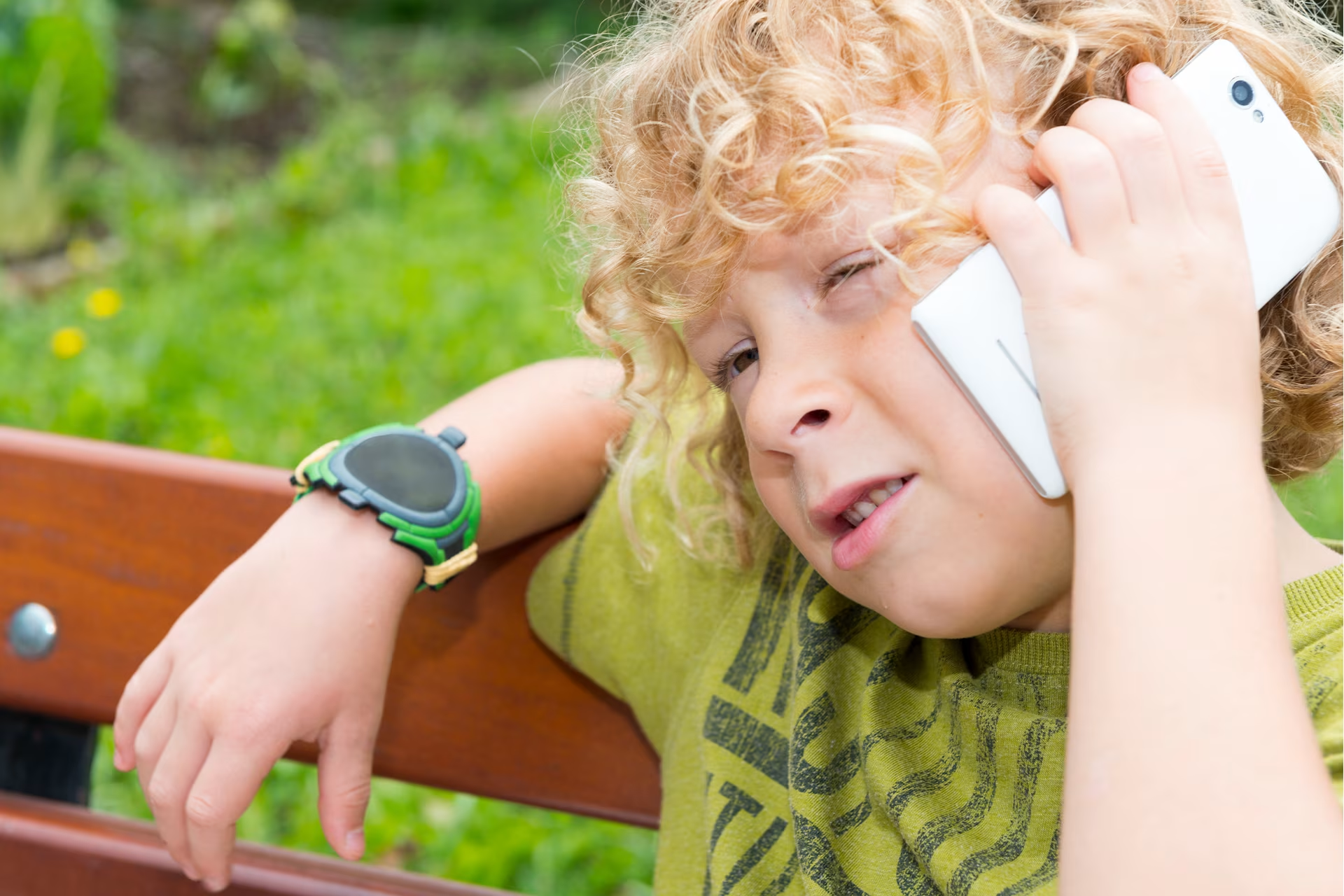
Choosing a phone for your child: smartwatch, basic phone, or smartphone?
When buying a phone, it's essential to consider the user's needs, as children's requirements often differ from those of adults. This guide highlights key factors to consider when choosing a phone for a child.

A child's first phone
As children become more independent and spend more time away from parental supervision, it's time to consider getting them their first phone. While many children start with a hand-me-down from a parent or sibling, you might need to buy a new device. Consider whether to jump straight to a smartphone or start with a simpler option, such as a smartwatch phone or a basic mobile phone for calls and texts.
Smartwatch phones: The ideal first phone for kids
A smartwatch phone is a smart choice for a child's first device for many reasons. Smartphones carry risks, especially for young children just starting to explore the internet. A smartwatch allows them to focus on the basics: staying in touch with parents and friends. It also includes safety features for parents and fun functions for kids:
- Harder to lose than a traditional phone
- GPS location tracking
- Encourages physical activity
- Longer battery life than the average smartphone
- Easy communication without excessive screen time
- No calls from unknown numbers
Verkkokauppa.com recommends
A smartwatch with a SIM card can also serve as a watch phone. Like a watch phone, it allows for calls and GPS tracking, but smartwatches often include many features that are unnecessary for children.
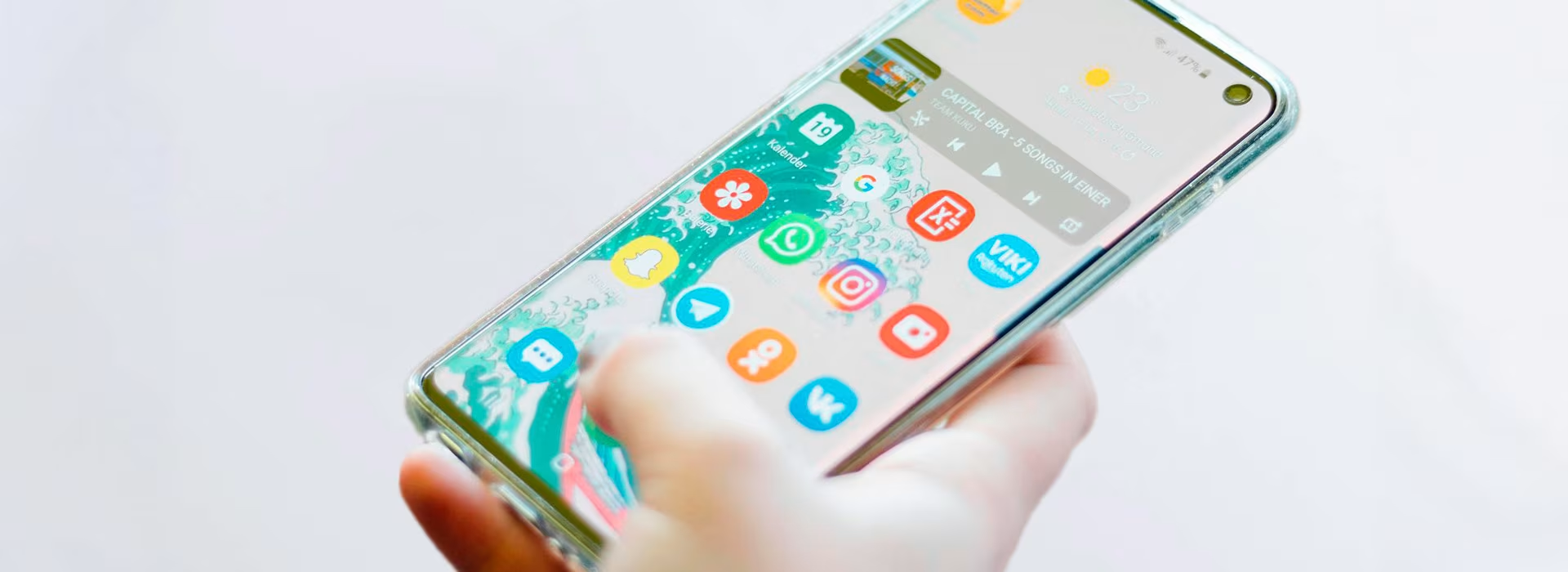
Kids' phones – how to choose the right smartphone?
By primary school age, children usually start asking for a smartphone because everyone else has one. Once you decide it's time to get them their first phone, keep these four things in mind: operating system, size, durability, and storage.
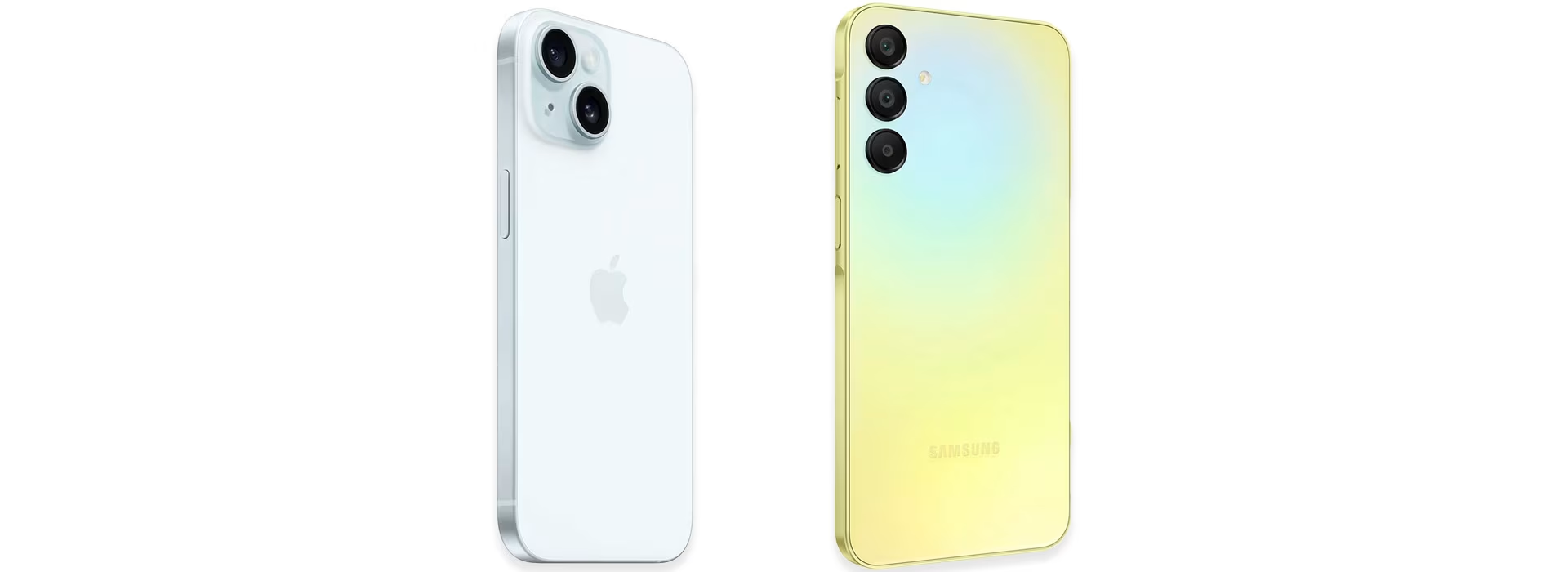
1. Phone operating system – iPhone or Android?
Today, it's easier than ever for parents to manage their child's phone from their own device, regardless of the brand or operating system. Both Android and iPhone offer cross-platform management options, and there are also dedicated apps for this purpose. However, as a parent, you're also your child's personal IT support, so you'll be better equipped to help with any issues if you're already familiar with the phone's operating system.

2. Phone size – a small phone for a child
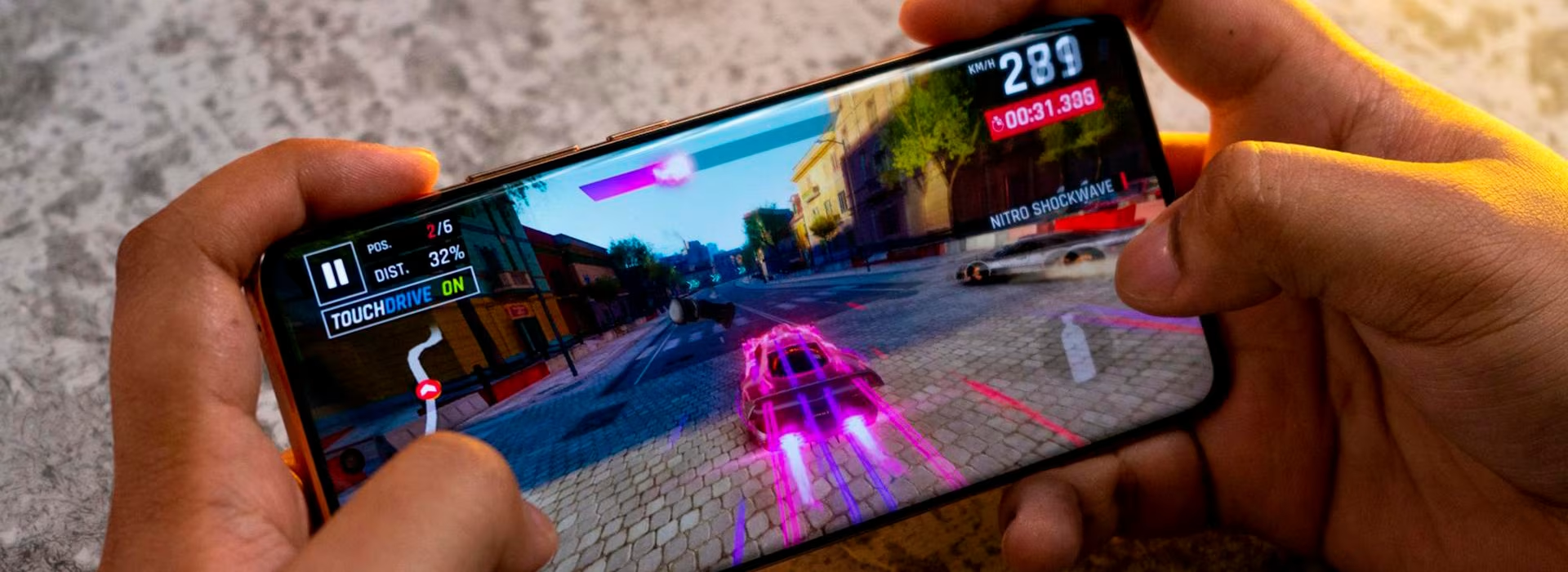
Modern smartphones are quite large, which can make them difficult for children with small hands to use. Generally, the younger the child, the smaller the phone should be. However, if the child plays a lot of games, a larger screen might offer a better experience.
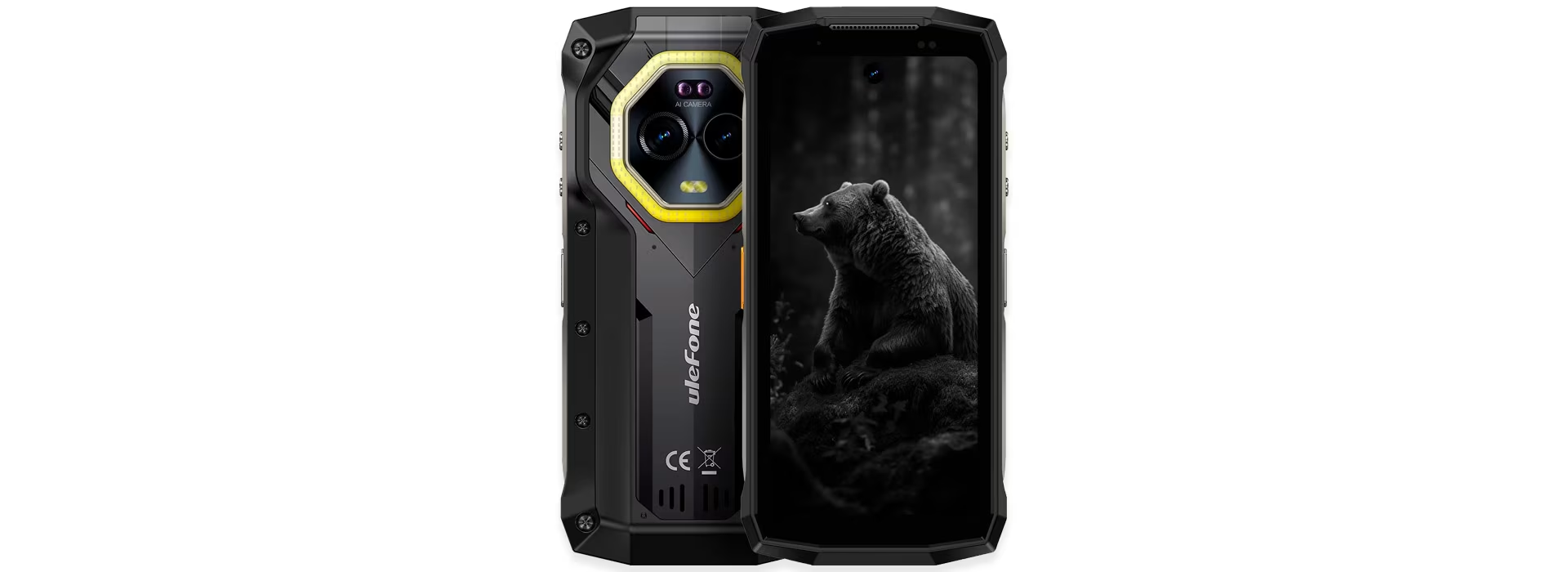
3. Durability – a durable phone for your child
When things get hectic, kids don't always remember to look after their phones, and accidents happen. For more active or accident-prone children, we recommend choosing the most durable phone possible. A shockproof rugged phone will withstand even the roughest play.
4. Phone memory
Like computers, phones have both RAM and storage space. RAM isn't critical for basic use, but we recommend at least 8 GB if the phone will be used for demanding games.
Apps, photos, and videos all consume storage—the more content there is, the more space you'll need. If your child records a lot of video, it's worth choosing more than the minimum storage capacity.
Verkkokauppa.com recommends
Check out our selection of used phones for your child! You can get a powerful, fully refurbished device for hundreds of euros less than a new one, while teaching your child about responsibility and the circular economy.
Accessories for your child's phone
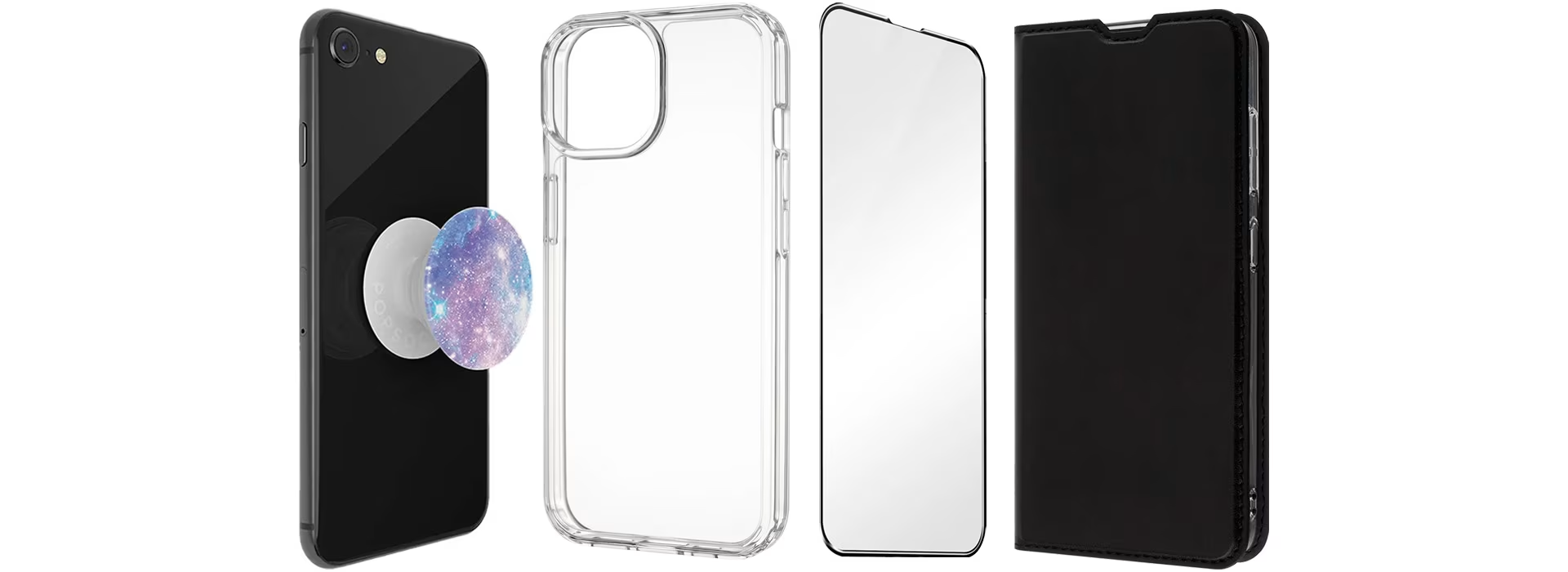
The most essential accessories for a child's phone are a tempered glass screen protector and a durable case to protect the device. You'll also earn some serious 'parent points' by adding a PopSocket and a pair of headphones. For extra peace of mind, a GPS tracker allows you to keep an eye on your child’s location, for example, on their way to school.
Verkkokauppa.com's tips
In addition to a protective case, a phone pouch with a neck strap is a practical choice for children. Since kids' pockets are often too small for a phone, a neck pouch ensures the device stays safe and within reach.