Feel better with light therapy – do you know the benefits?
Published October 18, 2022
Interest in light therapy lamps has grown even more in recent years. We interviewed our lighting product manager Katja Roiha about the light therapy trend and put together this helpful article based on that conversation. So keep reading if you're interested in using a bright light lamp!
What are therapy lights all about?
Research shows that light—and therefore lighting—fundamentally affects people, as it regulates our natural circadian rhythm. In Finland, however, natural light is scarce during late autumn and winter, which can cause fatigue or make waking up difficult for some people. This is where various therapy lights, such as wake-up lights or bright light therapy lamps, can help by supporting your circadian rhythm and overall well-being.
It's important to remember that people experience the benefits of therapy lights differently. One person might find a wake-up light extremely helpful in their daily routine, while another might not notice much difference. Roiha recommends trying them out yourself to see which therapy light works best for you.
Therapy lights should generally be suitable for all healthy individuals. If you have any eye conditions, check with your doctor to ensure it's safe to use therapy lights.
Why have therapy lights become so popular?
In recent years, people have become particularly interested in their health and well-being. This has further boosted the popularity of therapy lights, as many hope they'll have a positive impact on how they feel. Roiha believes that improved value for money and a wider selection have also contributed to their growing popularity. For example, the bright light therapy lamp range now includes stylish designer fixtures.
What types of therapy lights are available and what do they do?
Bright Light Lamp
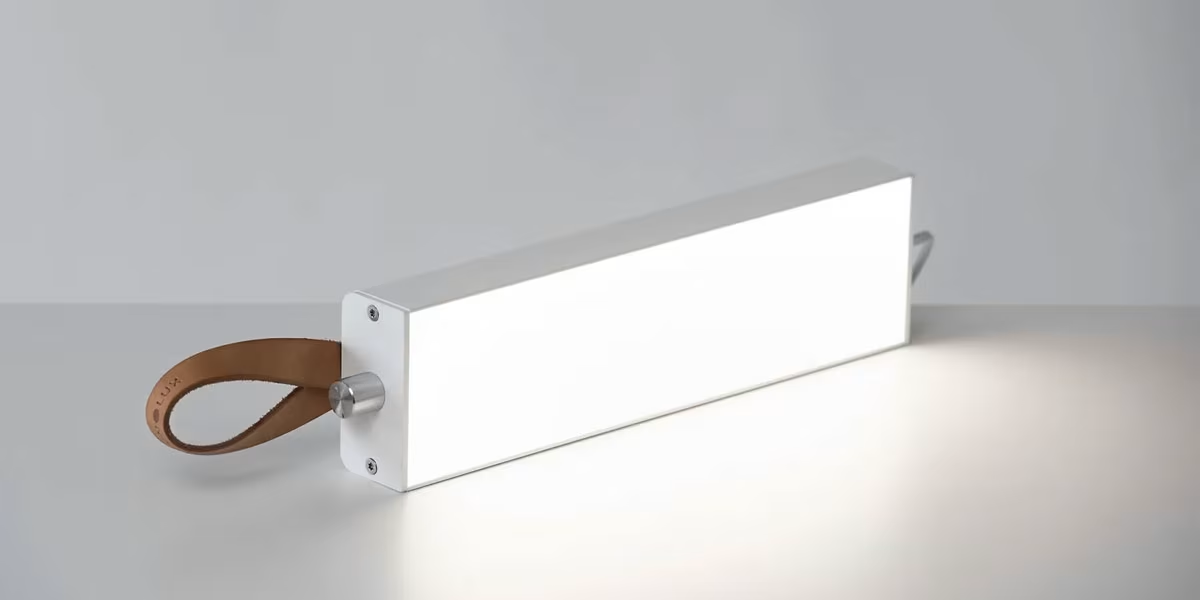
Bright light lamps are used during late autumn and winter when sunlight is scarce. According to Roiha, the lamp can help achieve and maintain good energy levels during this time. Bright light lamps emit white, bright light of at least 2,500 lux, though 10,000 lux is commonly used. You should start using a bright light lamp when you begin feeling more tired as autumn progresses. Regular use is recommended so the potential benefits last throughout the dark season.
To get the most out of your bright light lamp, spend enough time near it. Usage time depends on the lamp's intensity and typically ranges from 30 minutes to two hours. For best results, use the device during the first few hours after waking up in the morning. It's not recommended to use it in the afternoon or especially in the evening, as this can interfere with sleep.
According to Roiha, it's important to follow the recommended distance guidelines when using bright light lamps. "Each device has its own treatment distance," he explains. Smaller bright light lamps are usually placed closer on a desk, while large, powerful lamps should be positioned farther away.
Remember, you don't need to stare directly at the lamp—simply being near it, for example while reading the newspaper, is sufficient.
Wake-Up Light
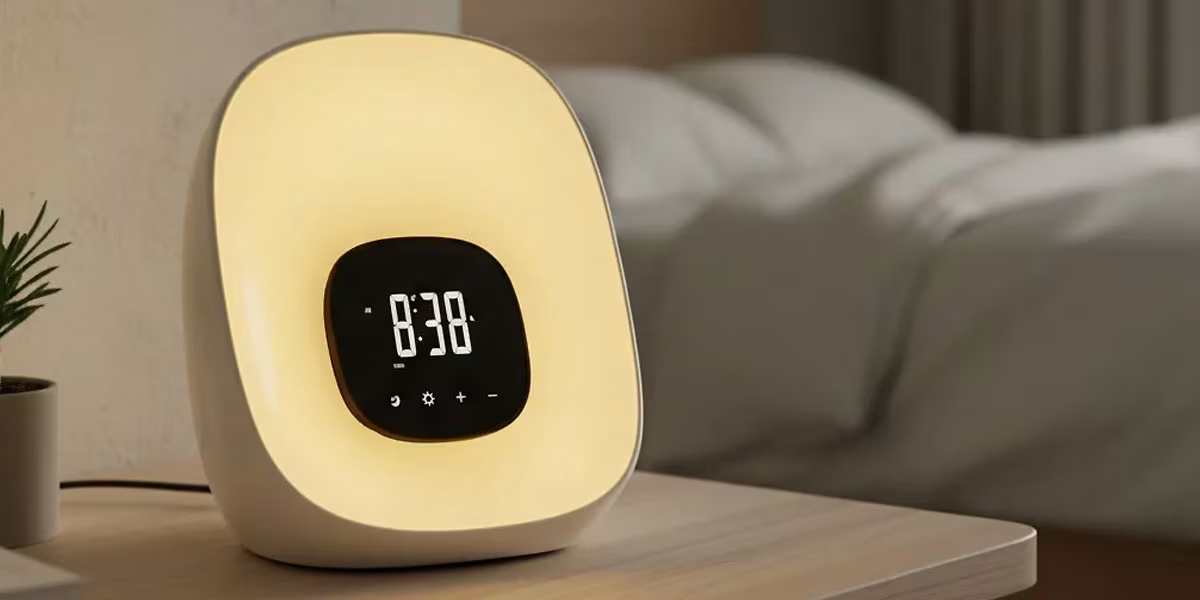
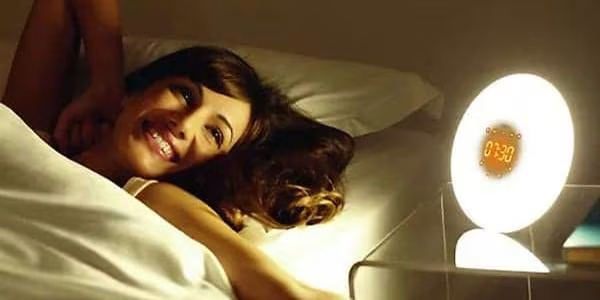
Wake-up light devices simulate sunrise by gradually brightening before your alarm time, helping prepare your body to wake up. Wake-up lights can be especially helpful during dark seasons when it's still dim outside when you wake up.
According to Roiha, wake-up lights allow you to wake up pleasantly as the light gradually increases. They also add comfort to waking up with various alarm sounds. You can choose from many different sound options, ranging from traditional alarm tones to calming nature sounds. Some models even let you set a radio station as your alarm sound.
Higher-end models often include an evening feature in addition to the sunrise simulation, which mimics sunset. The evening feature uses reddish light that gradually dims. Some models also include additional features like snooze and an easy-to-activate night light.
Red Light Therapy Device
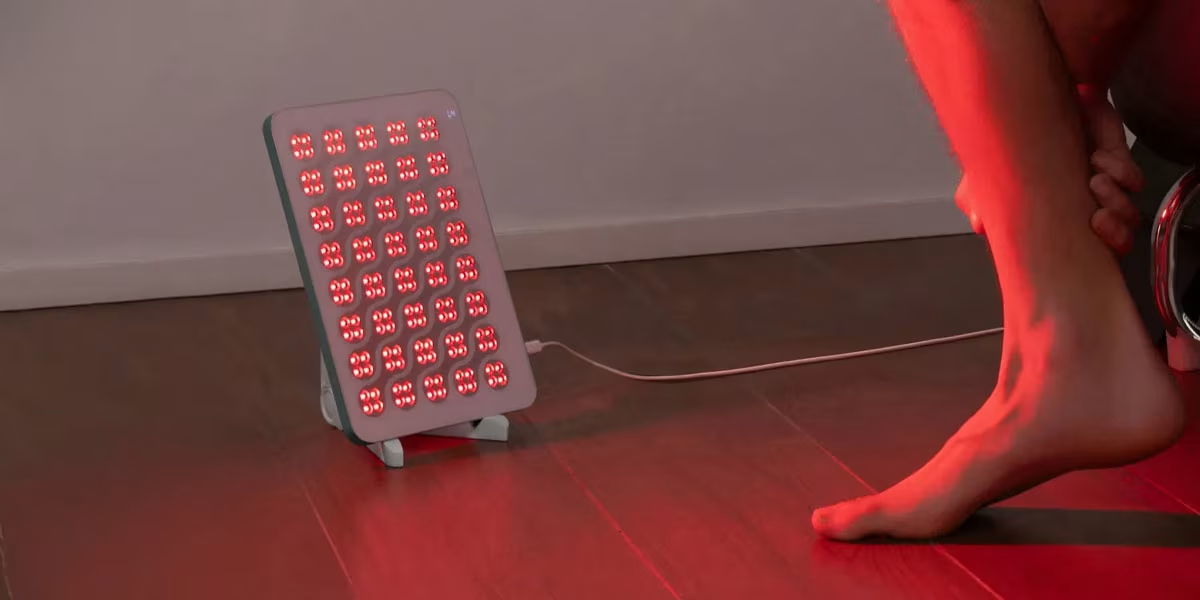
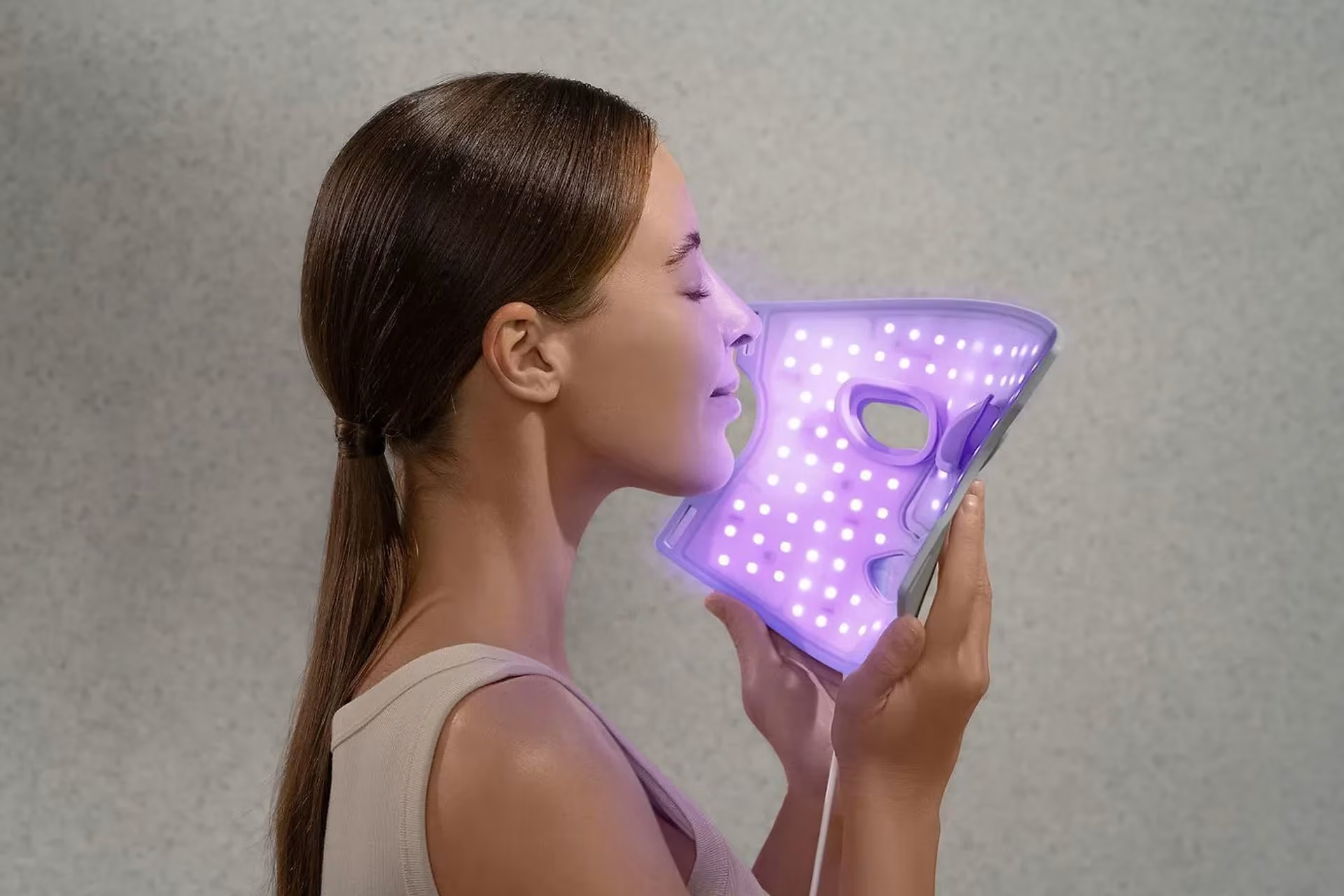
Red light therapy devices are a new product category with a more limited selection compared to other therapy lights. Red light devices emit two types of radiation: red light and invisible near-infrared light. These are safe and don't contain UV rays. Near-infrared light and red light penetrate deeper into the skin's circulation than many other wavelengths, allowing them to enhance cellular metabolism.
Users have found red light therapy devices helpful for post-workout recovery and certain pain conditions, such as joint pain. However, the positive health effects of red light therapy devices have not yet been scientifically proven.
Gentle wake-up with smart lights
Some smart lights can also function as wake-up lights. These smart lights can be set to gradually brighten before your chosen alarm time. If you already have smart lights at home or are planning to get them, you may not need to buy a separate wake-up light. Keep in mind, however, that smart lights don't have alarm sound functionality.
Give us feedback – was this article helpful?
We’d love to hear from you! Rate this article on a scale of 1–5 and let us know how we could make it even better.
Give feedback (Ulkoinen palvelu) (Avautuu uuteen välilehteen)