Kelvin, lumen, watt – a guide to help you succeed with your light bulb purchase
Published 9/7/2022
What does lumen mean? What is kelvin? The terminology jungle of light bulb labels can admittedly feel confusing. That's why we've put together a light bulb dictionary to help you understand what all those markings mean. Master the terminology and find the right bulb more easily!
Where do I start when shopping for light bulbs?
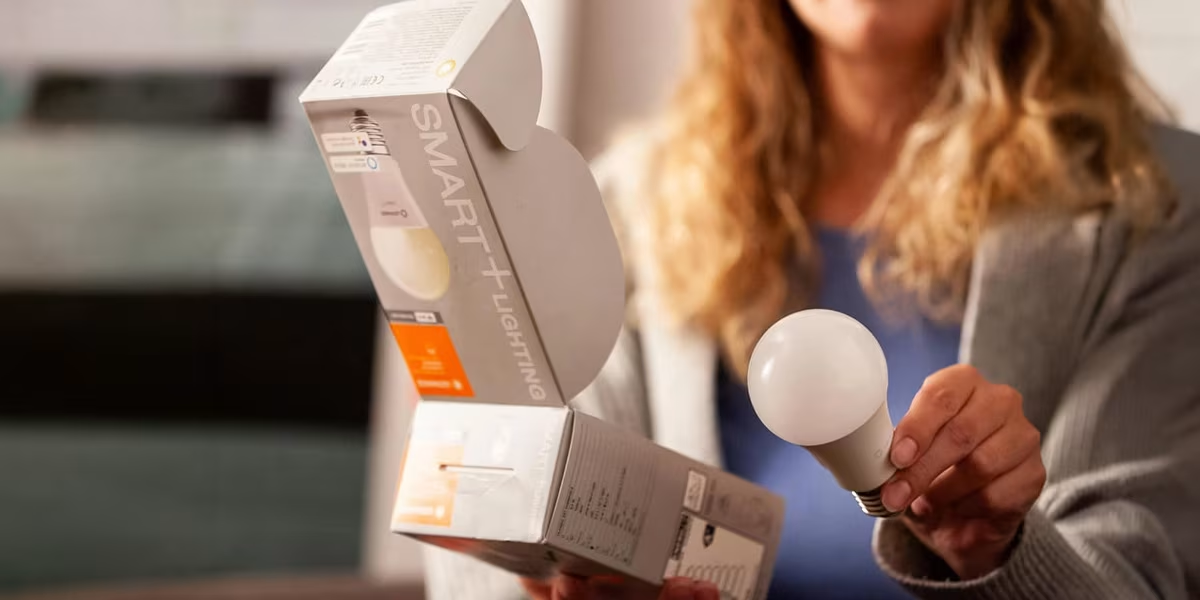
When you need a new bulb for an old fixture, start by removing the old bulb. By examining the old bulb, you can find important information like the bulb base type.
Once you've looked at the bulb, consider whether you want the new bulb to be the same as the old one or if you'd like something different. For example, is the bulb bright enough? What about the color temperature? If you weren't happy with the previous bulb, you can compare it to the specifications of new bulbs, such as lumens and kelvins.
Bulb base: screw, pin, or bi-pin?
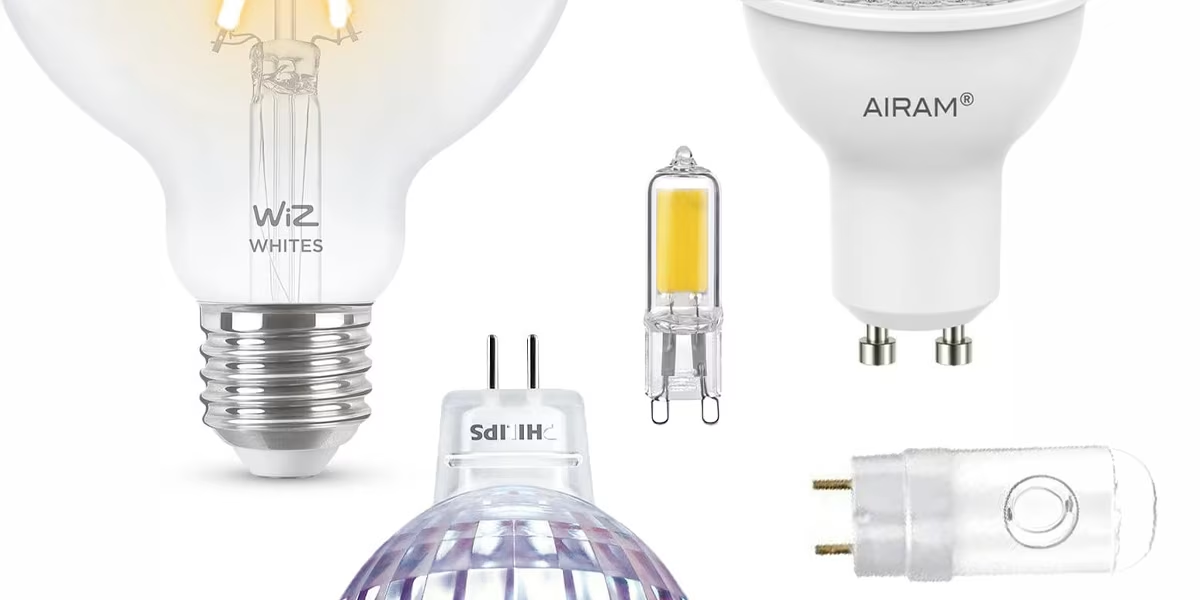
The bulb base is the most important factor for compatibility between the fixture and the bulb. Bulbs can have screw, pin, or bi-pin bases.
- Screw base bulbs are identified by the letter E. The most common screw base bulbs are E14 and E27. The numbers indicate the base diameter in millimeters.
- Pin and bi-pin base bulbs start with G or GU, and the most common base types are G4, G9, GU5.3, and GU10. In these cases, the numbers indicate the distance between the pins.
- In addition to the screw, pin, and bi-pin bases mentioned above, there are also various less common base types, such as those used for different fluorescent tube bulbs.
Voltage (volts)
- Most bulbs have a voltage suitable for standard electrical current: 220V, 230V, or 240V.
- However, low-voltage bulbs are also available with voltages like 12V, 24V, or 36V. Depending on the voltage, these low-voltage bulbs are suitable for applications like RVs or boats.
- If you're buying a bulb for your home, make sure you don't accidentally purchase a low-voltage bulb unless you need one.
- For low-voltage bulbs used at home with standard mains power, a power supply or transformer is used to convert the current to the appropriate level for the bulb.
Lumens (lm) indicate light output
Lumens describe the amount of light, or how bright the bulb is. For general lighting, 806 or 1100 lumens work well. Even more powerful bulbs are available. However, high-output LED bulbs aren't recommended for very small fixtures, as the bulb base heats up slightly and air circulation may not work properly in a confined space. That said, LED bulbs run significantly cooler than old incandescent bulbs.
When examining an old incandescent bulb, you may notice it doesn't list lumens. In that case, you can compare the old bulb's wattage to the new bulb's lumens. An old 40-watt incandescent bulb equals about 450 lumens, and a 60-watt bulb equals 806 lumens.
Watts (W) indicate power consumption
Bulb packaging still shows wattage, which indicates power consumption. If you want to compare energy efficiency between manufacturers, calculate how many lumens the bulb produces per watt.
Kelvin (K) indicates color temperature
When buying a bulb, pay attention to the Kelvin rating—it tells you how warm or cool white the light color is. Find the right Kelvin rating by considering which room and purpose the bulb is for. Also consider your previous bulb's Kelvin rating and whether that shade was suitable.
| Kelvin | Example room/situation | Color temperature |
| 1800–2000 | Especially suited for ambiance. | Orange-toned. Comparable to a campfire or evening sun. |
| 2700–3000 | Bedroom, living room, hallways. | Standard warm tone—not strongly yellow, but still soft. |
| 4000 | Kitchen, bathroom, and toilet. Works well for applying makeup. | Pure cool white that doesn't yellow. |
| 5000–6000 | Suited for task lighting. | Bright daylight with a bluish tone. |
The table above gives you a general guide for which Kelvin rating suits different rooms and situations. Remember, though, that personal preference matters most. Also keep in mind that it's best to use only one color temperature in a room at a time—otherwise the atmosphere can feel disjointed.
You can also vary light shades according to the time of day. For example, toward evening, room lighting should be more yellow than during the day—this way the light at home follows the natural circadian rhythm. You can vary shades with smart lighting and certain white light shade fixtures.
Additionally, it's good to know that there are slight differences in shades between manufacturers. If your fixture has multiple bulbs, buy them from the same manufacturer so the shade is consistent.
Beam angle
If you want light to spread throughout the room, choose a wider beam angle—an omnidirectional bulb. A narrow, spotlight-style beam angle works best for directional accent lighting.
LED bulbs are energy efficient
Incandescent bulbs should be replaced with LED bulbs, as LEDs are energy efficient and have a longer lifespan. If you're looking for an energy-efficient bulb, it's good to know that bulb energy ratings have been updated. The highest classes in the old rating system have dropped to F, G, and H classes in the new system. However, particularly energy-efficient bulbs have also entered the market and received an A rating under the new classification.
Higher-quality LED bulbs differ from cheaper ones in that they often have a longer lifespan, dimmability, and a higher number of switching cycles. Choose quality bulbs especially for spaces where lights are used frequently and switched on and off multiple times a day.
Clear or frosted?
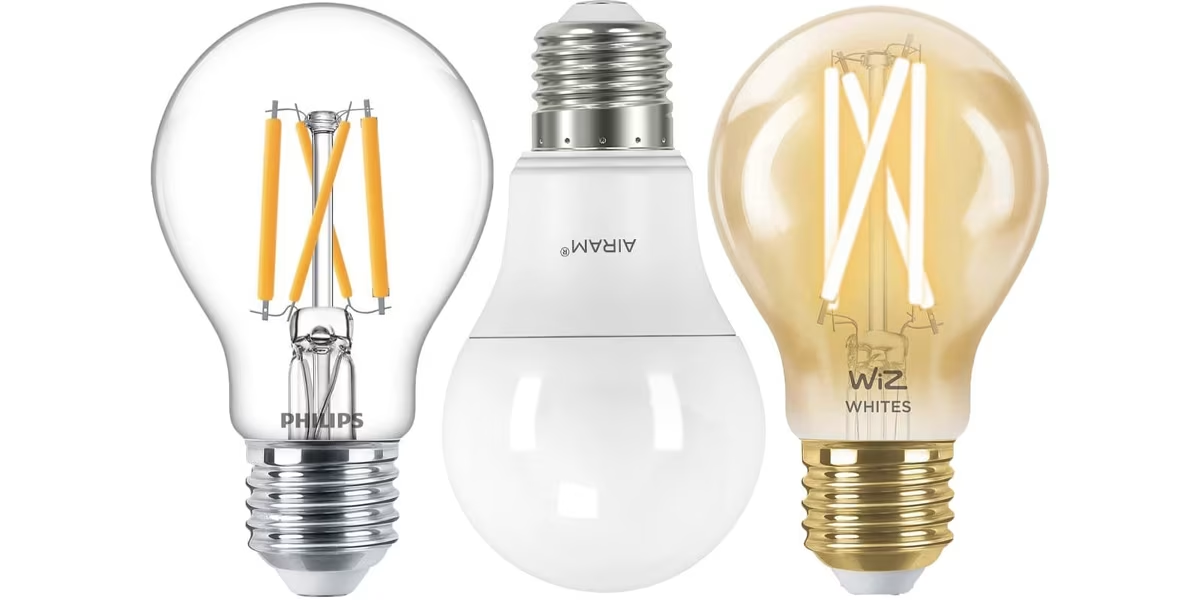
Bulbs can be either clear or frosted. This is often a matter of appearance, so you can choose based on personal preference. A clear bulb is usually a good choice, but in some fixtures it may cause glare or create spotty light on the fixture's diffuser.
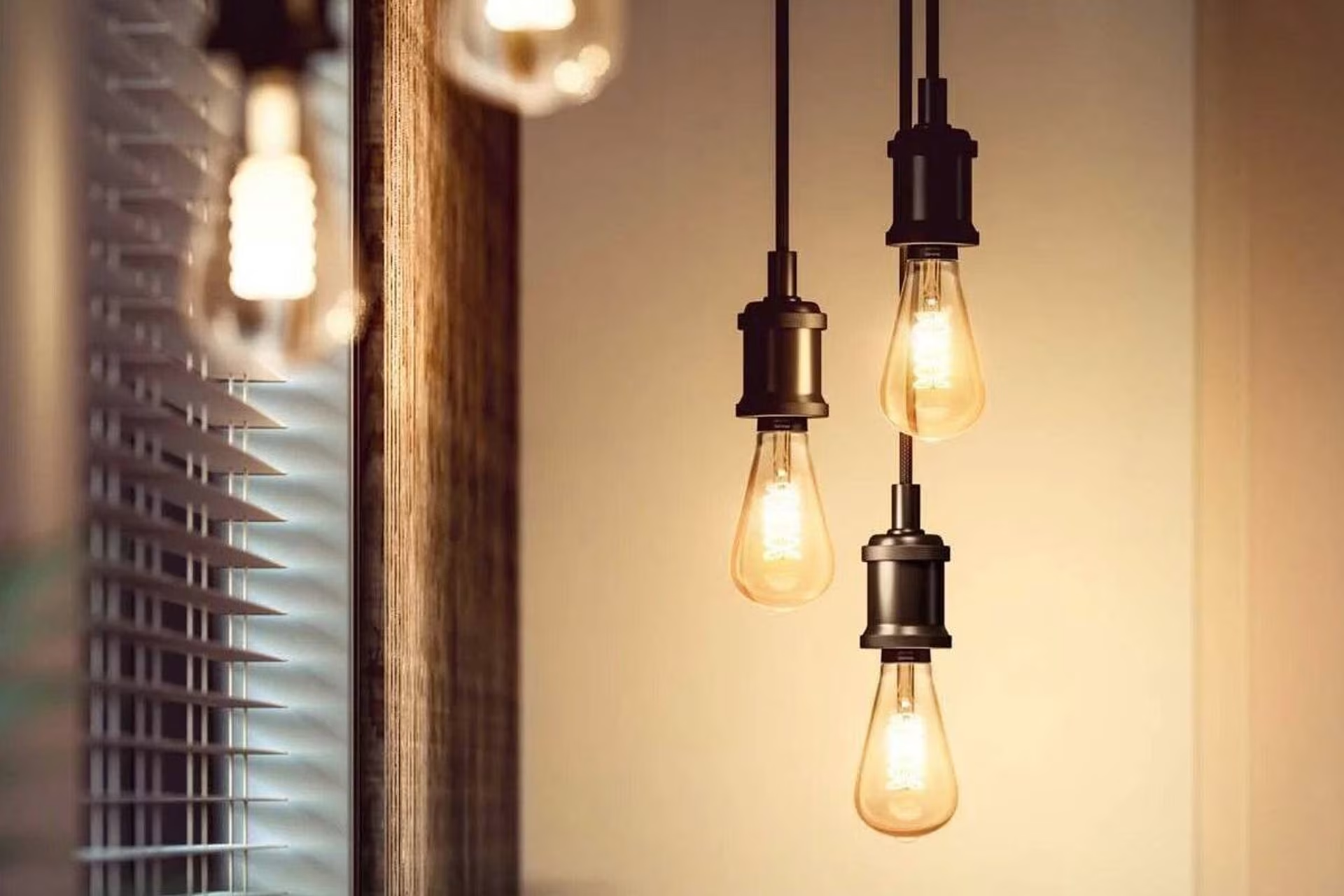
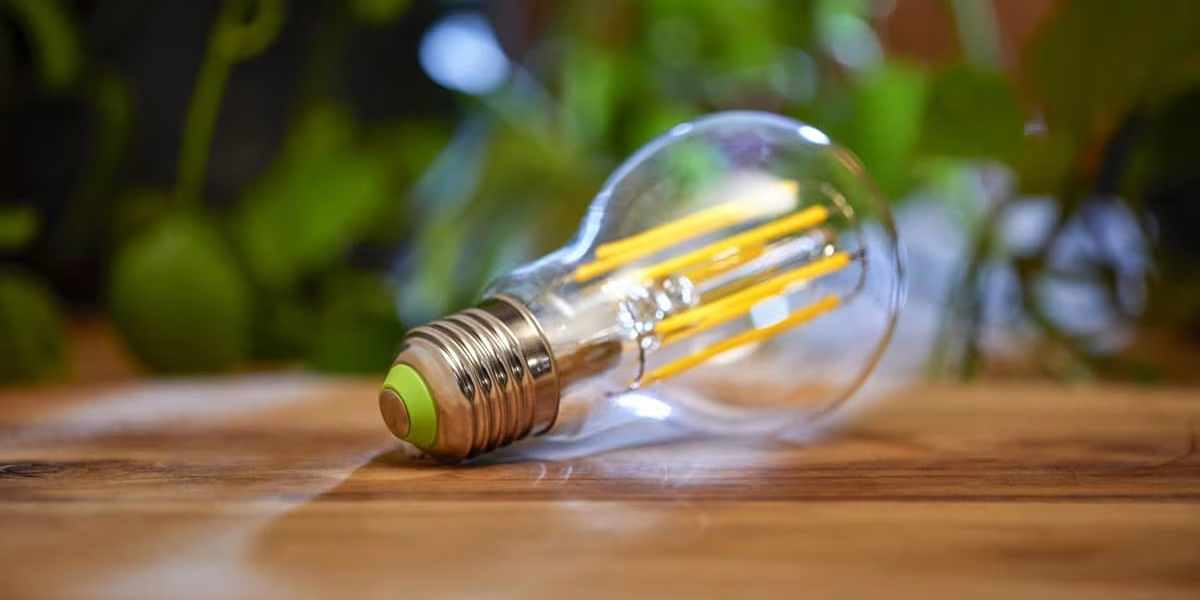
A frosted bulb is a good choice when the bulb remains visible outside the fixture and you want softer lighting. In these situations, an LED filament bulb is also a good option. They have a glowing filament that resembles an incandescent bulb's wire, and the look can be especially appealing when fully or partially visible.
Different bulb shapes
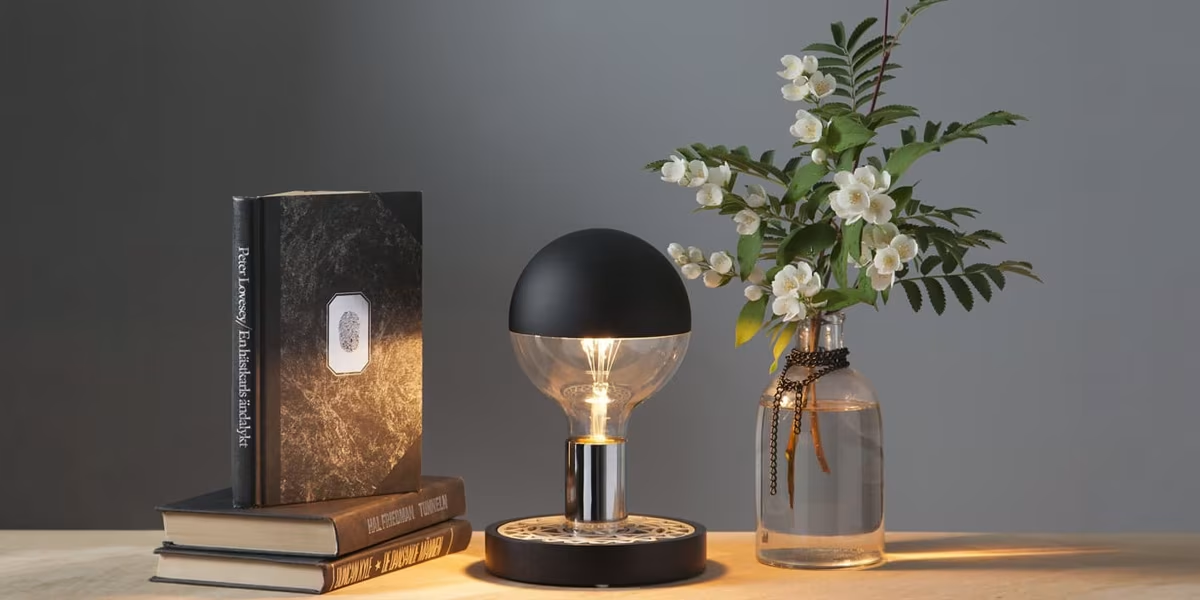
The selection also includes many different bulb shapes—elongated, round, specialty shapes, and filament bulbs. The fixture you're installing the bulb in will help guide your choice. Fixtures often require a specific shape and size of bulb. Check the fixture's product images for hints on bulb shape selection.
Smart options
Smart fixtures and bulbs are available on Bluetooth, Wi-Fi, and Zigbee platforms. Each platform has its pros and cons. Bluetooth and Wi-Fi bulbs may be the easiest to start with since they don't require a separate hub or central unit. However, with Bluetooth, remember that you can't control the bulbs when you're away from home. If you want remote control and the most features, choose Wi-Fi or Zigbee products.
What about outdoor lights?
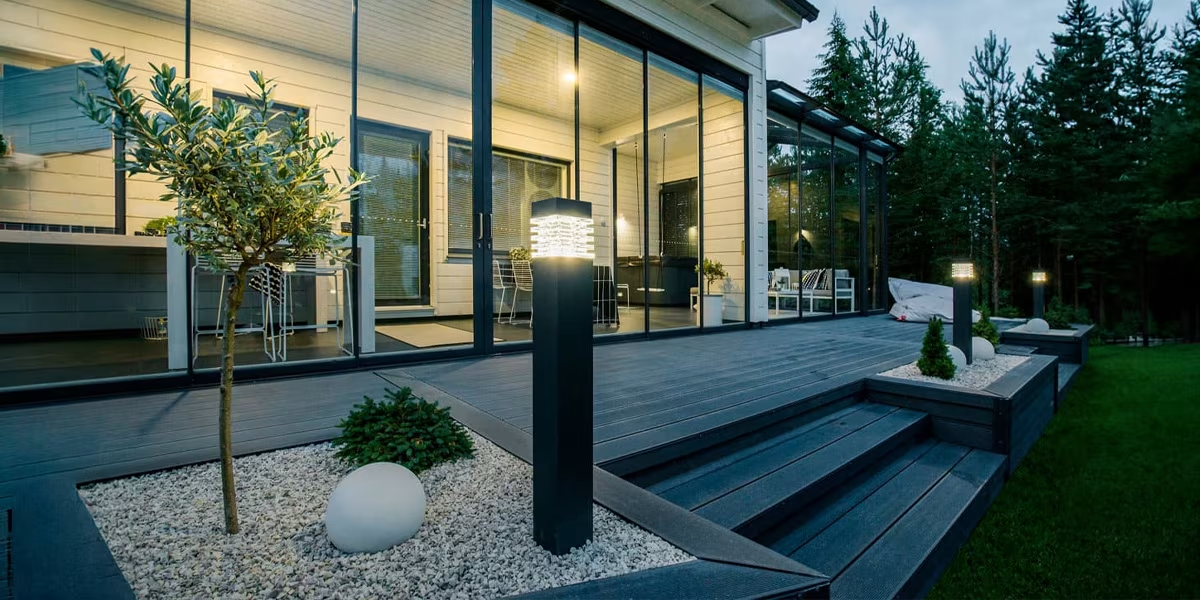
Not all bulbs are suitable for outdoor use, as they may not withstand freezing temperatures. That's why it's important to choose a bulb that's frost-resistant for outdoor use. If you're planning outdoor lighting, check out our guide on the topic.
What about sauna bulbs?
Did you know that saunas and ovens require bulbs specifically designed for that purpose? You can't use a regular LED bulb in a sauna or oven, as they won't withstand the heat – a bulb placed in an oven should be able to handle temperatures up to 300 degrees.
Now that you've got a better handle on bulb terminology, it's a great time to browse Verkkokauppa.com's extensive bulb selection. Order your bulbs from us with fast delivery, even straight to your doorstep!
Give us feedback – was this article helpful?
We’d love to hear from you! Rate this article on a scale of 1–5 and let us know how we could make it even better.
Give feedback (Ulkoinen palvelu) (Avautuu uuteen välilehteen)