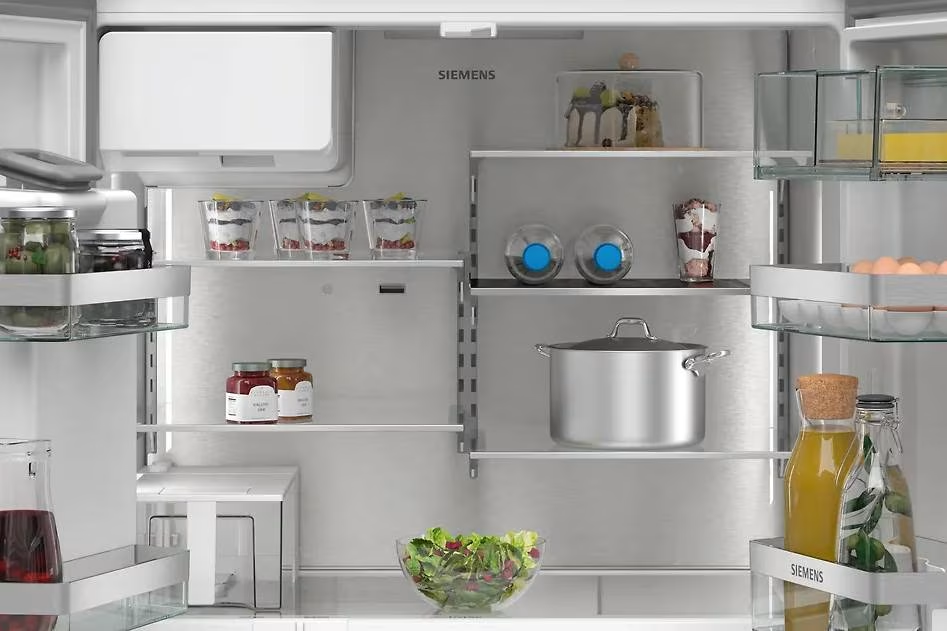
5 tips for using and maintaining your refrigerator – common questions and problems
Published 9/9/2026
Using a refrigerator isn't particularly demanding, but there are still some things about how refrigerators work that puzzle people and that many users should know. In this article, we answer five commonly asked questions about refrigerator use and problems.
1. What's the right temperature for a refrigerator?
The recommended temperature for a refrigerator is +4°C or +5°C. At this temperature, food stays fresh without the appliance wasting energy. If the refrigerator is too warm—say, above six degrees—food will spoil faster. If it's too cold, close to zero degrees, some foods may start to freeze.
The ideal temperature for a freezer is -18°C.
2. Where is the coldest spot in the refrigerator?
In a standard refrigerator with static air circulation, cold air sinks to the bottom, so the coldest spot is in the lower section, on the shelf right above the vegetable drawers. That's why you should plan carefully which foods go on which shelves in this type of refrigerator.
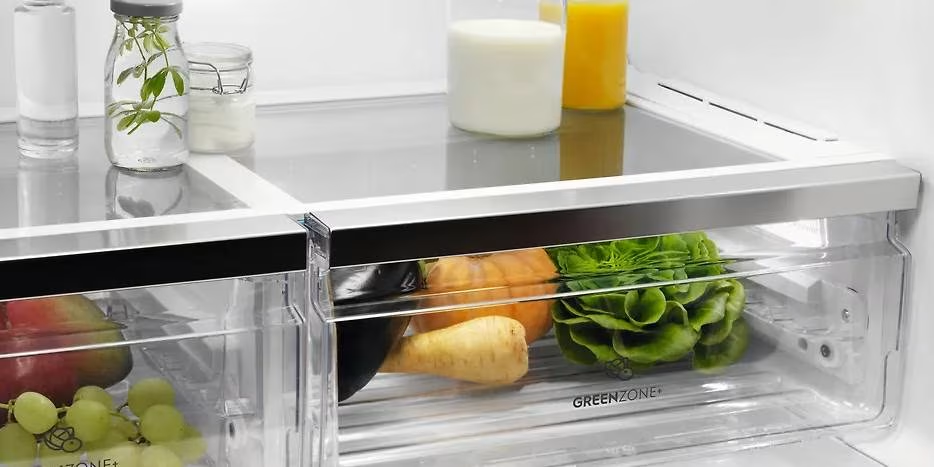
- Store raw meat, fish, and poultry on the coldest shelf at the bottom.
- The top and middle shelves are warmer, making them ideal for prepared foods, cheese, and dairy products.
- The door is the warmest area with the most temperature fluctuation, so it's best for condiments and beverages.
In a fan-cooled refrigerator (e.g., Multi Air Flow), the temperature is more consistent across all shelves, so placement matters less.
3. How long does it take for a refrigerator to cool down?
A new or freshly started refrigerator typically reaches the correct temperature within 4–6 hours, but it can take up to 24 hours to reach a fully stable operating temperature. If your refrigerator has a quick-cool function, you can use it to speed up the cooling process.
4. Why is my refrigerator freezing up?
A thin layer of frost on the back wall of your refrigerator is completely normal and nothing to worry about. It melts automatically during the refrigerator's defrost cycle and drains away through the defrost water channel. However, if excessive frost or ice builds up on the back wall or surfaces, it's usually caused by moisture that condenses and freezes.
This can happen when:
- the door doesn't close properly or the seal is leaking
- the door is opened frequently or left open for extended periods
- hot or uncovered food is placed in the refrigerator
- the temperature is set too cold
- food items are touching the back wall, preventing meltwater from draining
If food is freezing in your refrigerator, it's usually because the temperature is set too cold or food is pressed against the back wall.
5. Why is water pooling at the bottom of my refrigerator?
Water at the bottom of the refrigerator or under the vegetable drawers is usually caused by a blocked defrost drain. Normally, moisture that condenses on the back wall of the fridge drains through a small hole into an evaporation tray. If this hole gets blocked, the water can't drain and pools at the bottom of the refrigerator.
Here's what to do:
- Try carefully cleaning the defrost drain hole with a cotton swab or another thin tool.
- Wipe up the pooled water so you can see if the refrigerator starts working properly after cleaning.
- If water continues to pool at the bottom, contact a repair service.
Give us feedback – was this article helpful?
We’d love to hear from you! Rate this article on a scale of 1–5 and let us know how we could make it even better.
Give feedback (Ulkoinen palvelu) (Avautuu uuteen välilehteen)