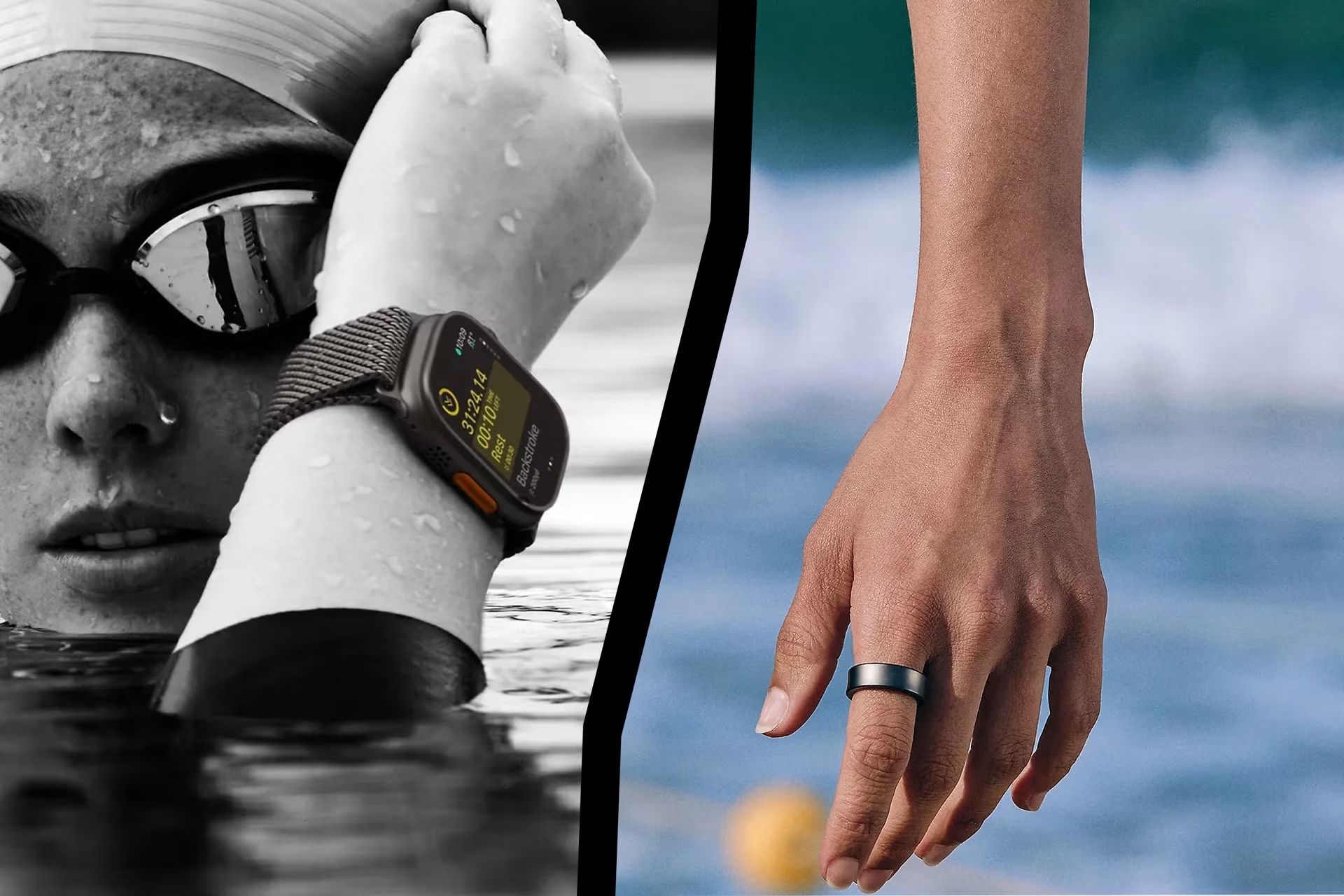
Smartwatch or smart ring? Comparison and tips
Published May 28, 2025
Choosing between a smartwatch and a smart ring? We’re here to help you decide. This article breaks down the key differences between the two—from health and wellness features to battery life and app compatibility. We also compare pricing to help you find the perfect fit for your lifestyle. Read our comparison to discover which device is right for you.
Smartwatch vs. smart ring: Key differences and features
When discussing smartwatches, it's important to remember that the term encompasses various activity-tracking devices, such as fitness trackers and sports watches, which differ significantly in their features. Fitness trackers are perhaps the most similar to smart rings, as both focus heavily on monitoring activity, well-being, and sleep, with the display playing a secondary role. The most distinct difference is that a smartwatch's display allows for real-time data tracking directly on the device, often removing the need to carry a phone during exercise. Smartwatches also receive phone notifications, allowing you to keep your phone on silent while staying connected.
The advantage of a smart ring is that it provides data on your daily activity and well-being in a very discreet and lightweight form. Conversely, a smartwatch can serve as an accessory just like a traditional wristwatch. Many smartwatches offer a wide range of interchangeable bands, allowing you to change their style to suit the occasion—with specific options for sports, daily use, and formal events.
Beyond these points, there are also differences in price and battery life, which we will cover in more detail later in this article.
Pros and cons of smartwatches and smart rings
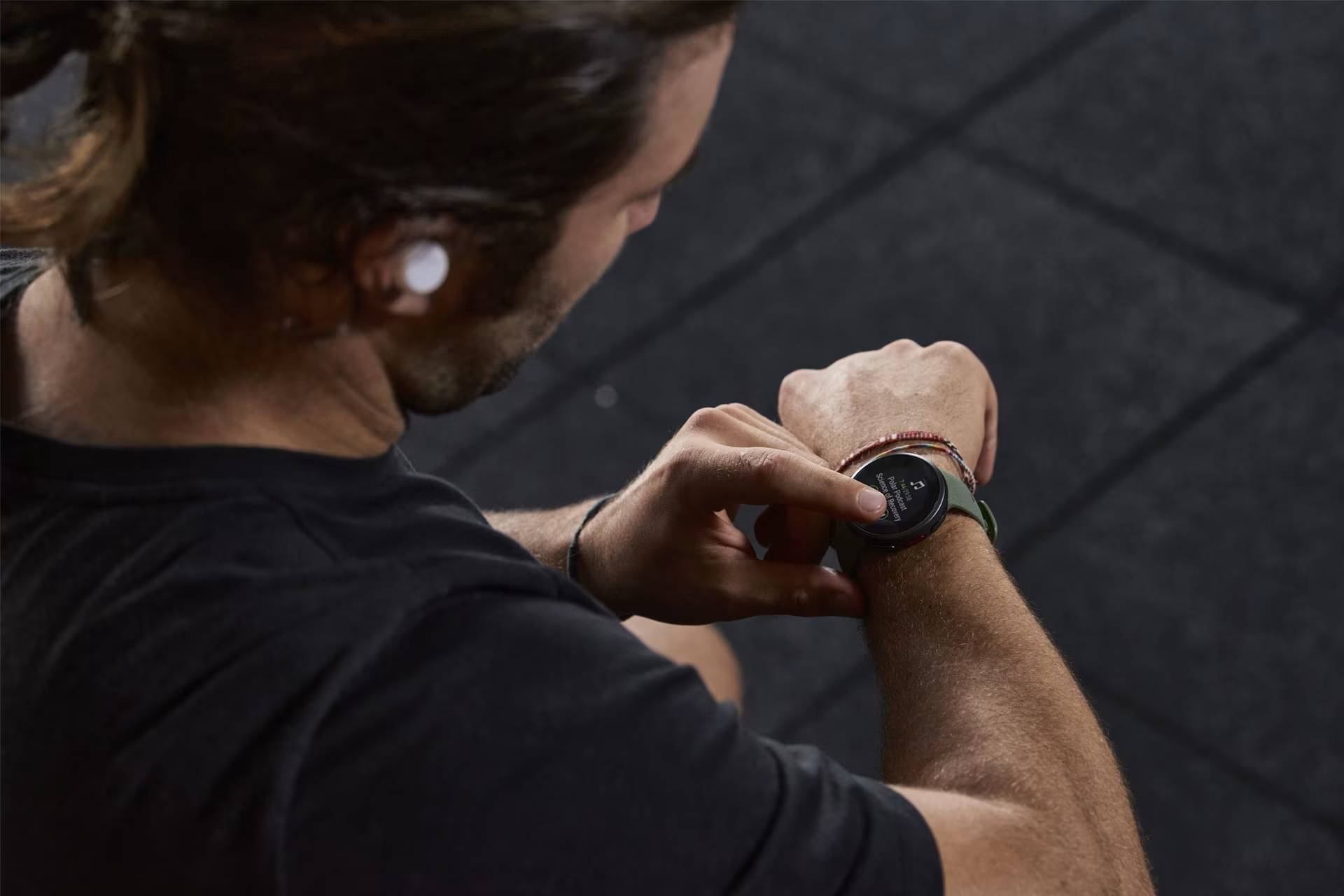
Smartwatches and sports watches
+ Real-time activity, wellness, and performance tracking directly from the watch face.
+ Stay connected with phone notifications delivered to your wrist.
+ Versatile workout modes allow you to leave your phone behind during training.
+ Long battery life in sports-focused models.
+ Stylish accessory with options to suit any look.
+ Affordable entry-level options for basic health tracking.
– Very short battery life on some smartwatch models.
– The vast range of features and models can make the choice overwhelming.
– More noticeable and potentially bulkier on the wrist than a discreet smart ring.
– Wide price range, with premium models costing upwards of €1,000.
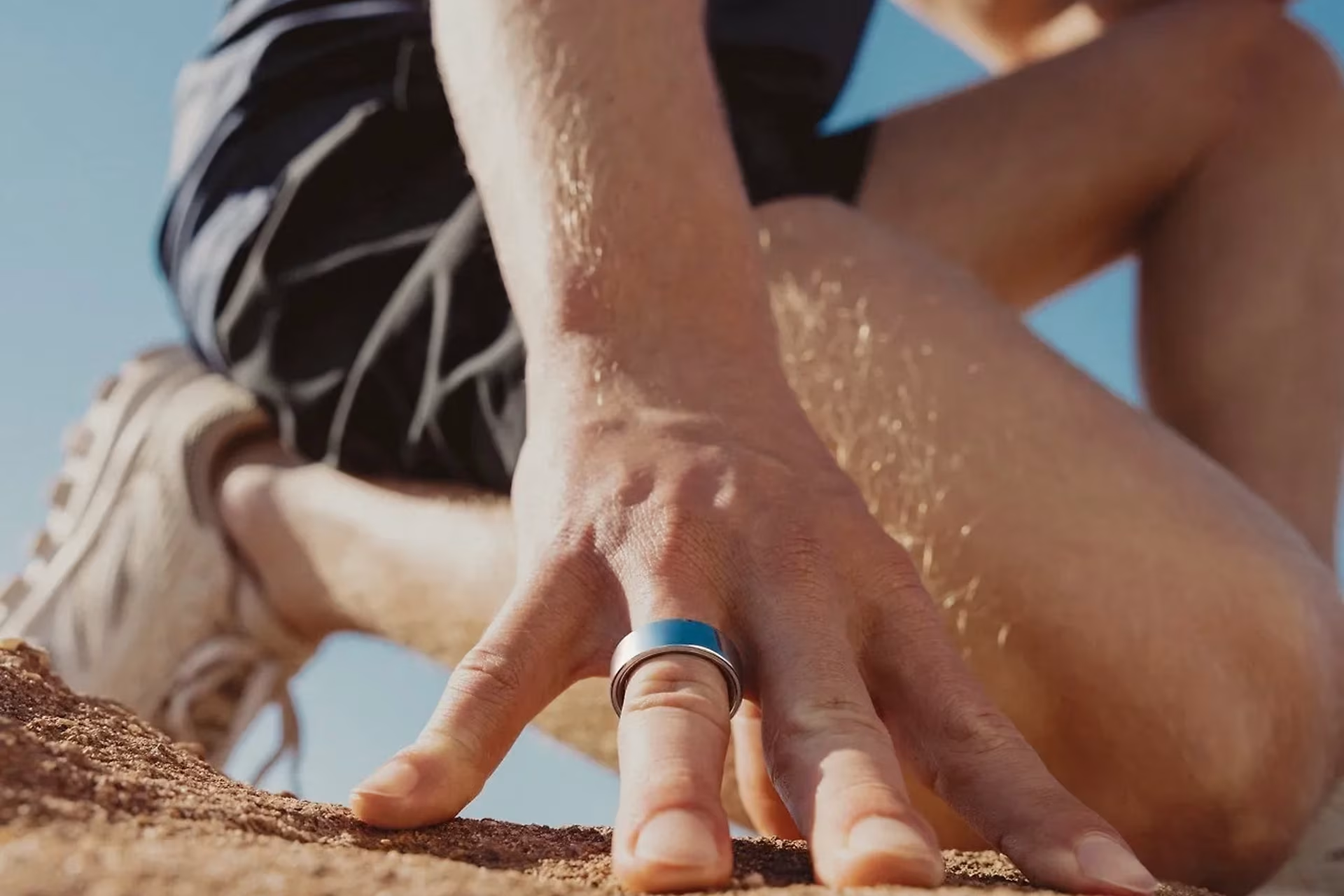
Smart ring
+ Discreet, lightweight, and comfortable device for tracking activity, well-being, and sleep.
+ Long 1–2 week battery life.
+ Currently a smaller selection – making it easier to find the right model for your needs.
+ A more affordable alternative compared to many smartwatches.
– No screen, meaning you need a phone to view activity, well-being, sleep, or sports data.
– Limited or no workout options for sports, and viewing data requires a phone.
– The wide design isn't for everyone, and the style isn't as customizable as smartwatches with interchangeable bands.
When is a smart ring a better choice than a smartwatch?
A smart ring is the ideal choice when you want a discreet, lightweight device to track your daily activity, well-being, and sleep. If you also want to receive phone notifications and view your data directly on a screen, a smartwatch is a better fit. Choose a sports watch if you need to track your workouts in real-time on the display.
Smartwatch or smart ring? Which offers better wellness features?
When it comes to wellness features, neither a smartwatch nor a smart ring is categorically superior. However, individual models may differ in what they measure and the data they provide. Generally, data from both smartwatches and smart rings is indicative; for heart rate monitoring, a heart rate strap would be the most accurate and reliable option.
Individual ring and smartwatch models can indeed differ in their wellness features. For example, among smart rings, the RingConn Gen 2 can detect sleep apnea with 90% accuracy—a feature not found in other smart rings.

Price comparison: Smartwatch vs. smart ring
Price ranges for smartwatches, sports watches, and smart rings vary significantly. If activity trackers—the closest equivalent to smart rings in terms of features—are included, smartwatch prices start from just a few dozen euros and can reach over a thousand euros, depending on the brand and specifications. The most expensive models are typically high-end sports watches with extensive features. Smart ring prices, on the other hand, generally range from a few hundred to approximately 600 euros.
Smart ring vs. smartwatch battery life: which lasts longer?
Battery life also varies when comparing smartwatches and smart rings. While activity trackers and sports watches can have long battery lives, some smartwatch models only last a day. Activity trackers offer the longest battery life among these devices, lasting up to a year if they are battery-powered. Rechargeable activity trackers and sports watches can last up to two weeks, while smart ring battery life typically ranges from one to two weeks depending on the model.
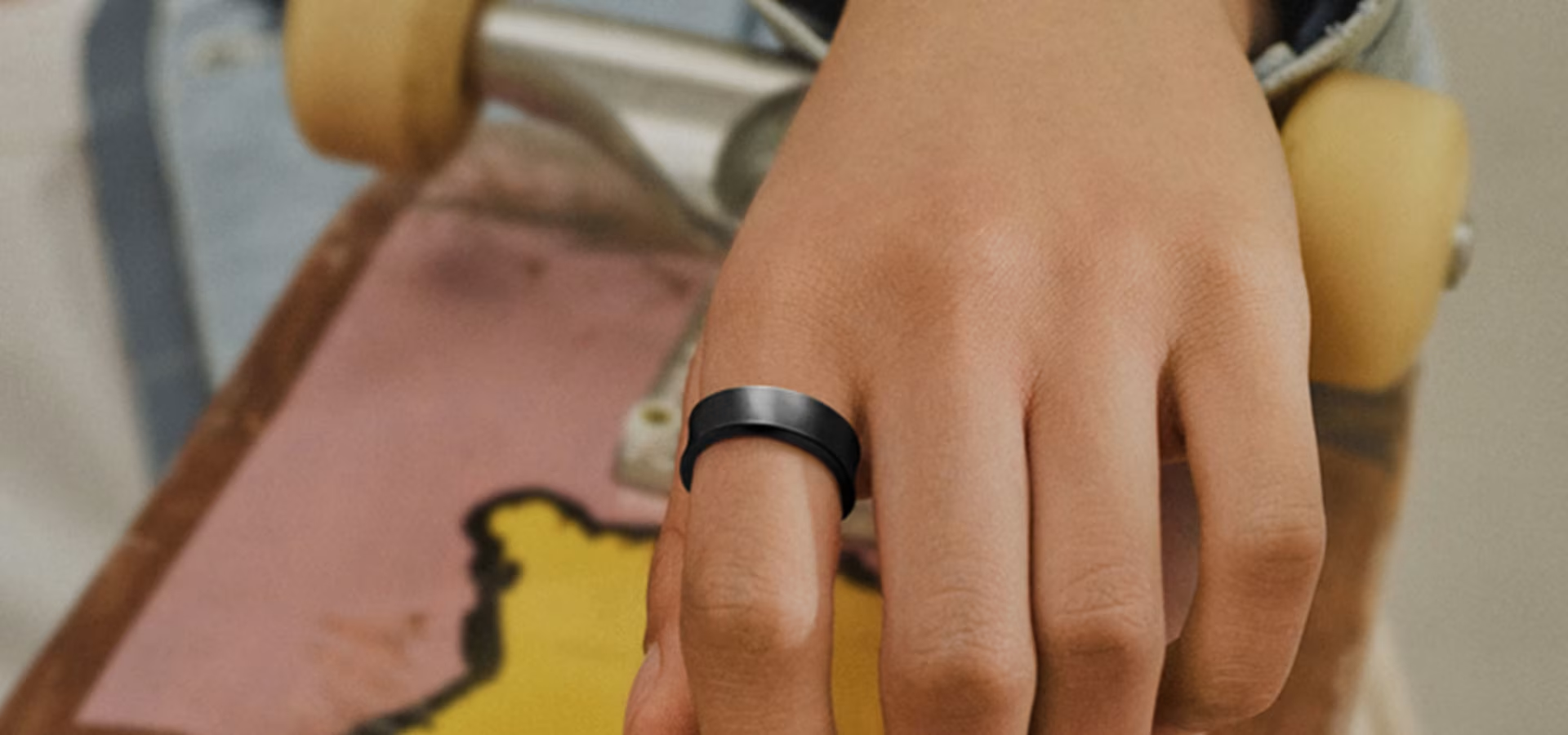
Battery life refers to the device's maximum runtime. The more you use the device, its apps, and active features, the faster the battery drains. Below is the maximum battery life for each device type, which can vary significantly between manufacturers and models.
- Smart ring battery life: 1–2 weeks
- Activity tracker battery life: 1–2 weeks, up to a year for battery-powered models
- Smartwatch battery life: From one day to a week
- Sports watch battery life: From a few days to two weeks
Smart ring and smartwatch compatibility with different devices
There is no significant difference between smart rings and smartwatches when it comes to phone connectivity. Both categories include models that may not be compatible with Android or iOS, as well as models that work seamlessly with both operating systems.
Compatibility with apps and other devices also varies between different smartwatch and smart ring models. For instance, some smartwatches can be paired with a heart rate strap to provide more accurate data to the watch and its mobile app. While smart rings generally don't support heart rate straps, you can use both devices simultaneously and compare their data for a more comprehensive overview. Some smart ring models can be linked to health and fitness apps like Google Health Connect, Natural Cycles, or Strava, while others currently lack this support.
Whether you choose a smart ring or a smartwatch, it's essential to ensure the device is compatible with your phone and the services you intend to use.
How about a smartwatch and a smart ring?
Smartwatches and smart rings can also complement each other. Since wearable data is indicative, using multiple devices allows you to refine the information and gain a more accurate overall picture of your health and activity.
Even if a smartwatch and smart ring aren't directly compatible within the same app, you can still draw your own conclusions by comparing the data from both. However, if you choose devices like the Samsung Galaxy Watch and Samsung Galaxy Ring, their data is automatically combined into a single app.
Give us feedback – was this article helpful?
We’d love to hear from you! Rate this article on a scale of 1–5 and let us know how we could make it even better.
Give feedback (Ulkoinen palvelu) (Avautuu uuteen välilehteen)