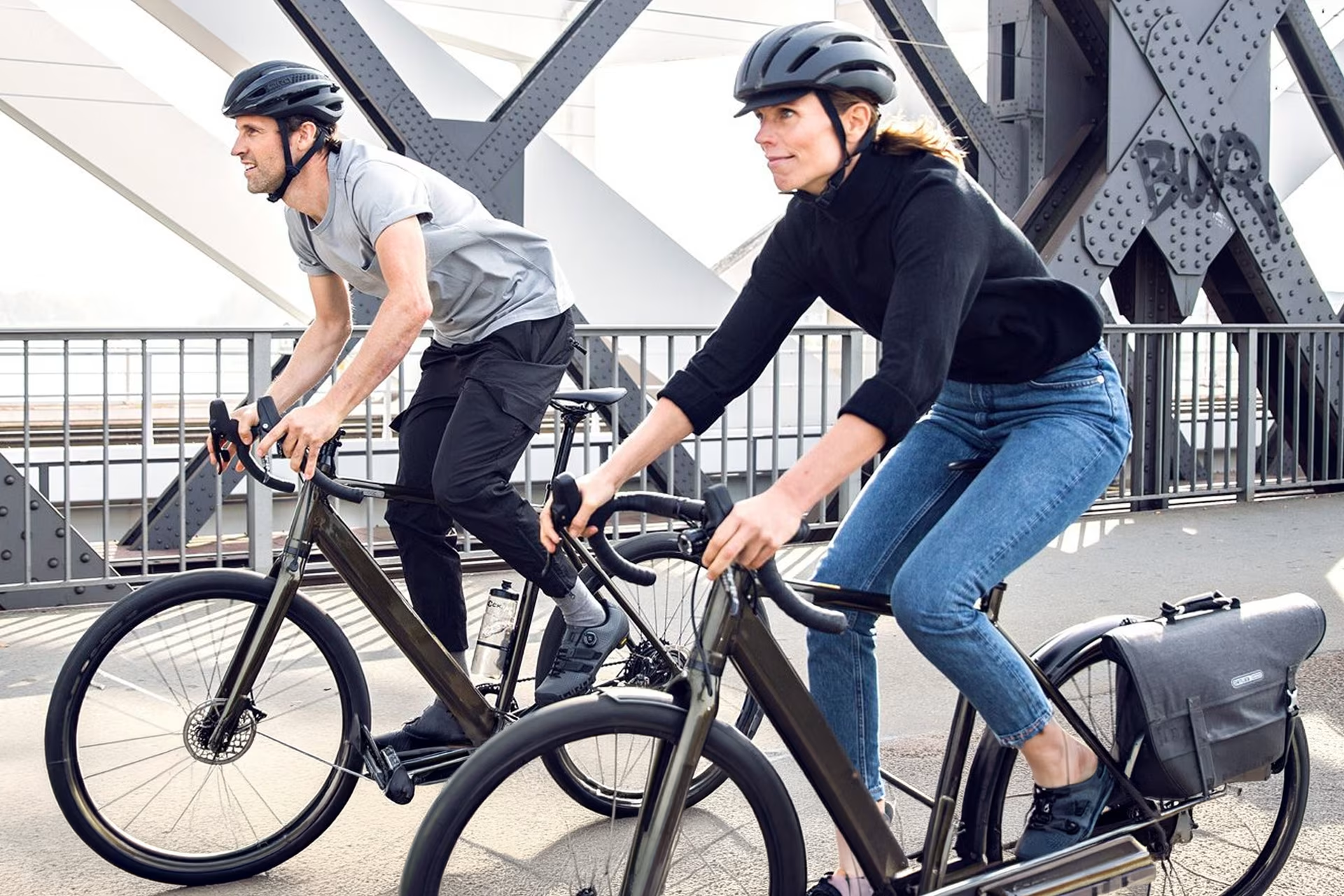
5 tips for starting to bike to work and making your commute smoother
Published March 22, 2022
Have you considered cycling to work instead of driving or taking public transport, but getting started feels overwhelming? With rising fuel prices, you could save significant amounts each year by replacing even some of your car commutes with cycling. Beyond the financial benefits, the advantages of bike commuting are clear – cycling is an eco-friendly and healthy way to get around, which is why we want to encourage you to start with these tips. Fair warning – once you give bike commuting a chance, you might actually enjoy it.
1. It all starts with your own motivation – make bike commuting a routine
The challenge of bike commuting depends primarily on the distance – a five-kilometer ride has a lower barrier to entry, but a 20 km commute requires a bit more motivation. Everyone finds motivation in different things – for some, it's weight loss, for others it's improving fitness, and some want to save money by cycling to work instead of driving.
Start by choosing your route – first explore different options on a map and spend some free time checking out various routes. When the route feels right and you're not hesitating along the way, you'll gain confidence in cycling and can focus on enjoying the ride. If your commute is very long, start slowly and give your body time to recover in between. For example, start by biking to work once a week and increase the frequency as your fitness improves.
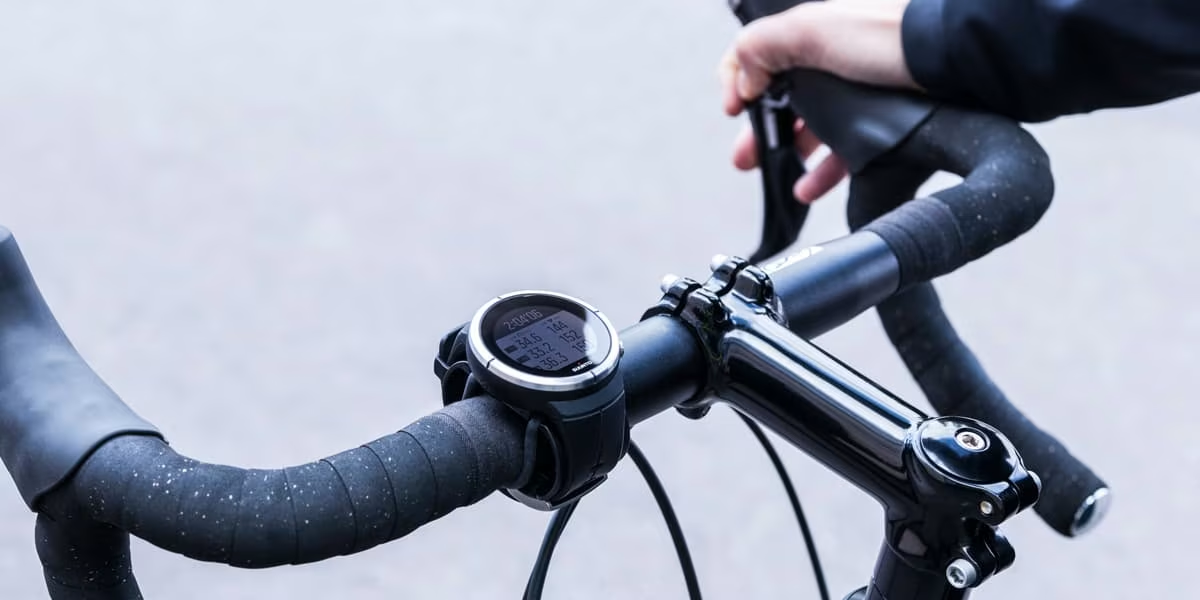
If fitness is your motivation for bike commuting, you'll feel more motivated when you notice progress – as your fitness improves, you'll complete the journey faster week after week and notice that you can handle those initially daunting hills better each day. If you find motivation in tracking progress, your average bike commuting speed is easy to measure. However, don't compare your performance to other cyclists' average speeds, since speed is affected by the route's hilliness, terrain, and traffic lights, so comparing to general averages isn't meaningful.
Tracking progress is easiest if you always take the same route, but as your cycling confidence grows, it's worth expanding your territory, since the same route can become boring and potentially lower your motivation. So one day, try a slightly longer but scenic route, or on a sunny day, take a detour home via the ice cream stand – you've earned it!
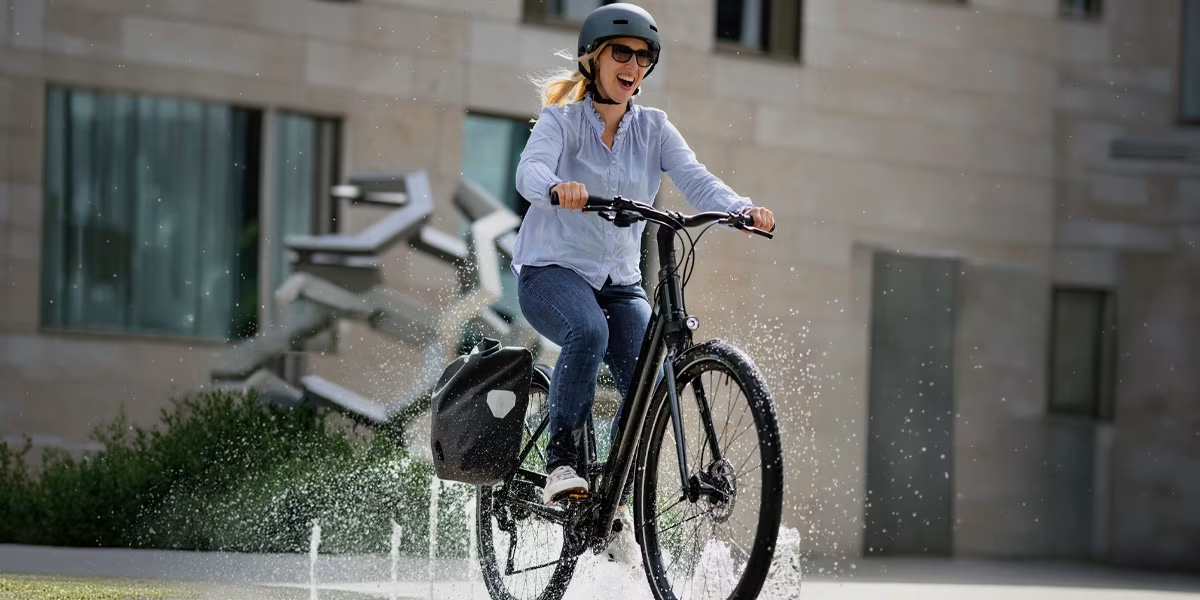
2. Best bike for commuting – e-bikes for long distances and fat bikes for winter cycling
Your choice of commuter bike depends on your commute length, route, and how you plan to use it. Consider whether you'll use the bike only for commuting or also for recreational cycling, and whether you want to cycle for exercise or simply as transportation from point A to point B.
An e-bike is your choice if the bike is purely a means of transport and you want to minimize sweating. That said, you can adjust the motor's power level or not use it at all, so you can still get a workout on an e-bike. E-bikes are also a convenient option for long commutes – the electric motor assists on hills and against headwinds, so you reach work quickly, affordably, and sustainably without breaking a sweat. On a single charge, an e-bike battery typically takes you around 50-80 kilometers.
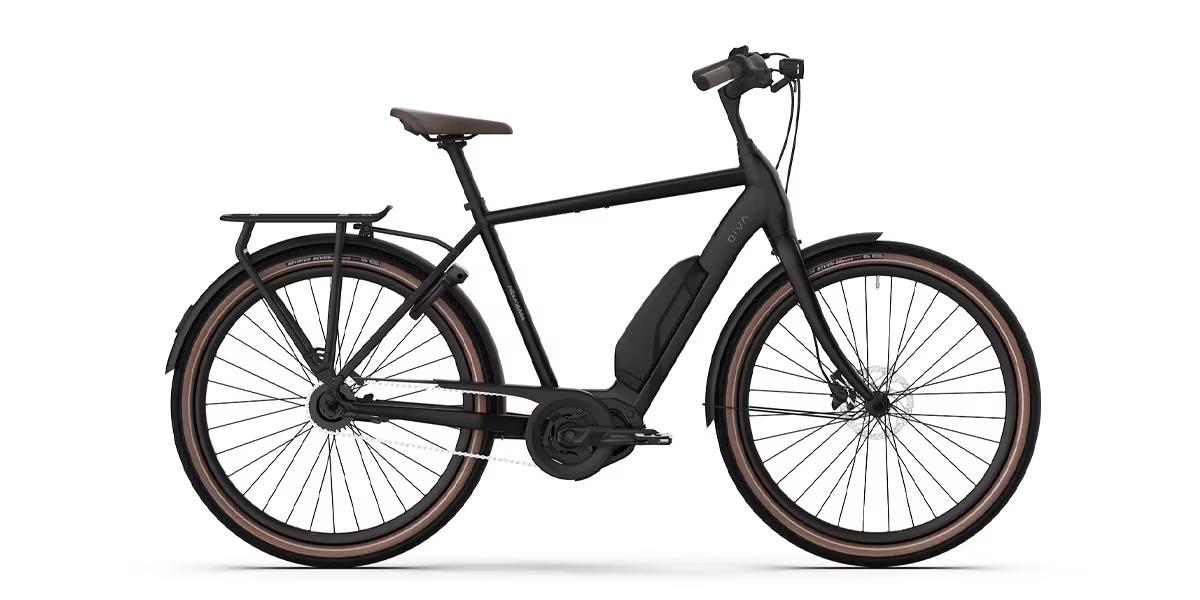
A city bike is perfect for cruising through short commutes. City bikes are low-maintenance and convenient for quick trips to the store or visiting friends in your free time. They feature an upright riding position, often a coaster brake, and typically one to eight gears.
A hybrid bike excels on asphalt and gravel roads, making it an excellent commuter bike even for longer distances. Hybrids are especially suited for those who want to turn their commute into a workout – the gearing and lightweight frame make riding easy, but you can definitely work up a sweat by increasing resistance.
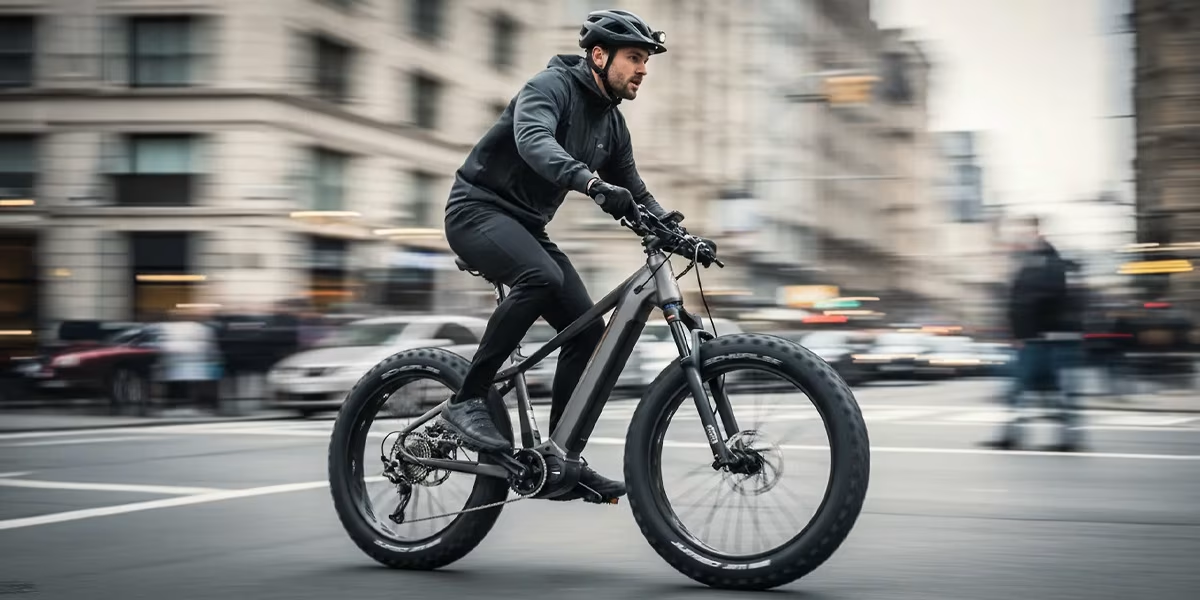
A mountain bike or fat bike is ideal for rough terrain commutes and year-round cycling. Off-road tires keep you upright on slippery and snowy surfaces – the thicker the tires, the better the grip. Fat bikes make winter commuting easy even during heavy snow winters. Fat bikes are also available as e-bikes – electric fat bikes make winter commutes effortless.
3. Commute Safely by Bike
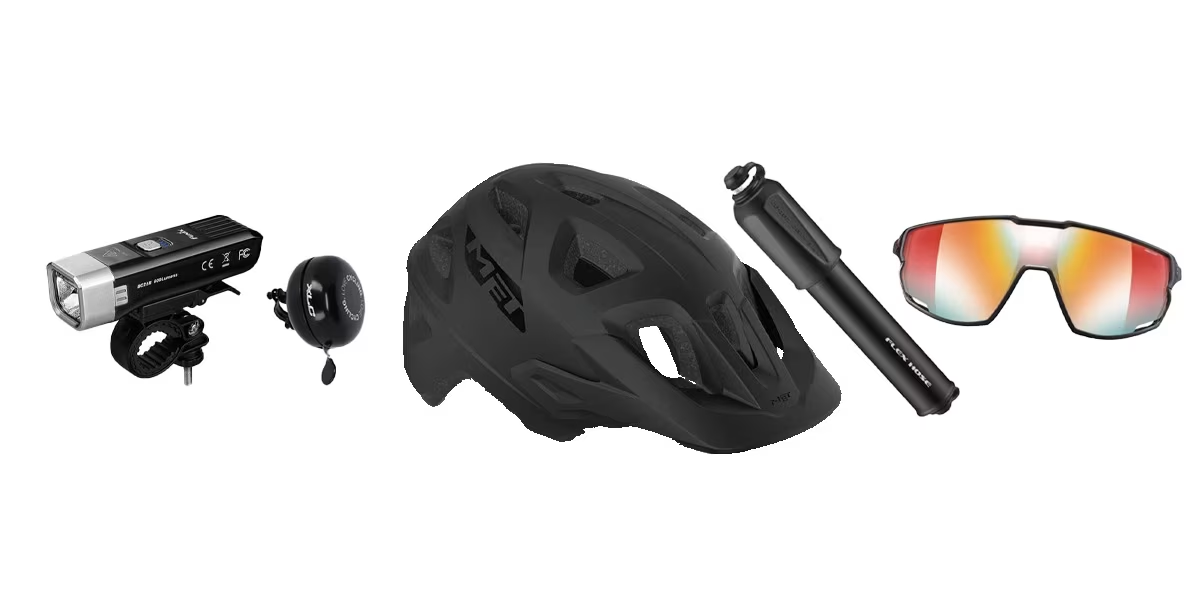
Bike commuting should be safe above all else—with the right gear, you'll make it to work and back home in one piece. In fall and spring, it can be dark when you're heading to or from work. Front and rear lights are required by traffic law when cycling in dim conditions or whenever visibility is poor. A bike bell alerts other cyclists and pedestrians when needed. Cycling glasses, or any sunglasses, keep bugs out of your eyes and make you look cool while riding. However, a helmet is the most important piece of safety gear for any cyclist—it keeps your head intact!
Even if you don't service your bike yourself otherwise, a few basic maintenance tasks will extend your bike's lifespan – at minimum, get chain oil and a pump. Regularly oiling your chain keeps it in better condition and makes it last longer. Bike tires need the right amount of air for smooth riding and to keep the rims in good shape. A floor pump is best for home use, but carry a smaller pump with you in case you need to add air on the road.
4. Remember practicality
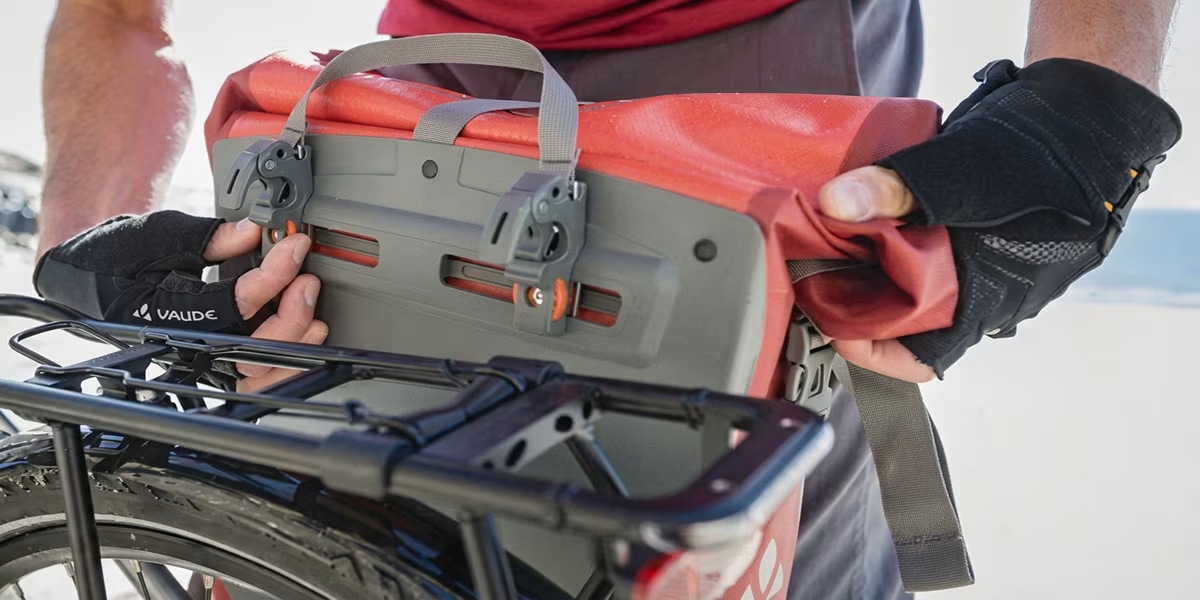
Bike commuting needs to be practical too. Prepare for every commute with weather-appropriate gear – your employer probably won't appreciate you showing up with a soaking wet laptop. Choose a cycling backpack or bike-mounted pannier based on both weather resistance and capacity, so you can carry your work gear plus a change of clothes. Fenders protect your clothes and bag from splashes in muddy conditions. Last but certainly not least, protect your valuable bike from thieves and get a solid lock to secure it.
5. Bike Commuting and Clothing
Whether you cruise to work on an electric bike or pedal hard with sweat flying, it's worth wearing separate cycling clothes and changing at the office. Even if an e-bike saves you from the worst of the sweating, you might get caught in a sudden downpour during your commute, and dry, clean clothes will be a lifesaver. Cycling to work in the rain is really about attitude and clothing—you can prepare for wet weather by wearing waterproof gear.
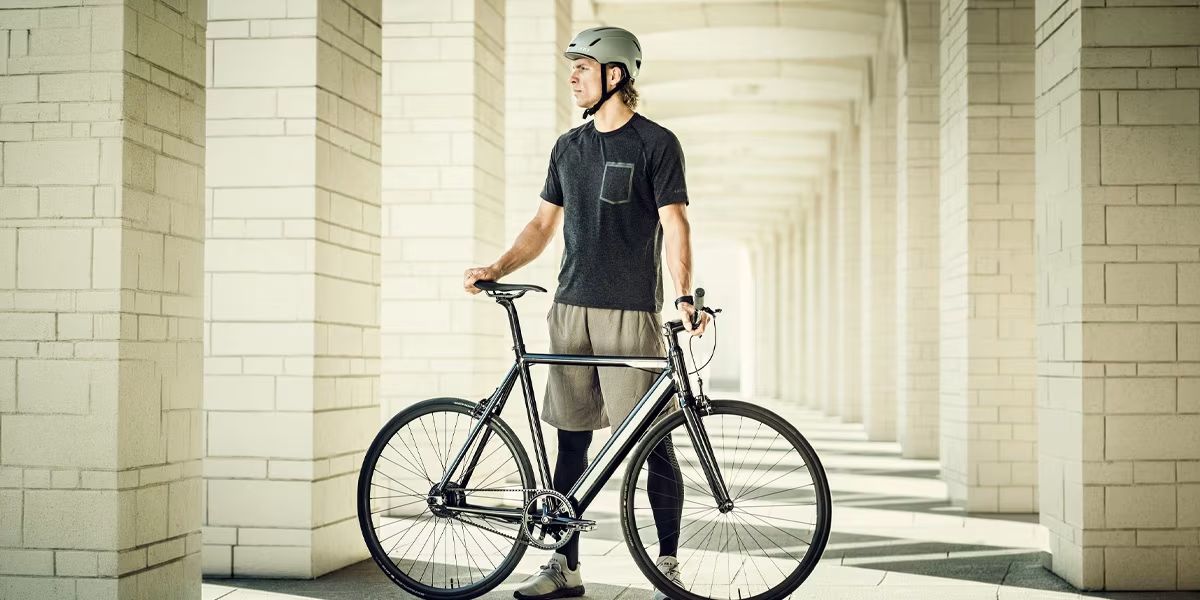
If your goal is to get a workout while commuting, choose breathable and flexible athletic clothing designed for sports. Wide pant legs can easily get caught in the chain, so wear slim-fit or short pants when cycling.
Many workplaces have showers where you can freshen up after your ride, but if there's no shower, you can do a quick cleanup in the restroom or changing room—wipe off the worst of the sweat, apply some deodorant, and you'll be refreshed and ready for the workday!
Give us feedback – was this article helpful?
We’d love to hear from you! Rate this article on a scale of 1–5 and let us know how we could make it even better.
Give feedback (Ulkoinen palvelu) (Avautuu uuteen välilehteen)